Turner, IMF chief warn of fallout from Iran talks collapse
Iran talks collapsed into a wider warning sign: voters are uneasy, gas prices are biting, and the IMF says the shock could spread far beyond the Middle East.
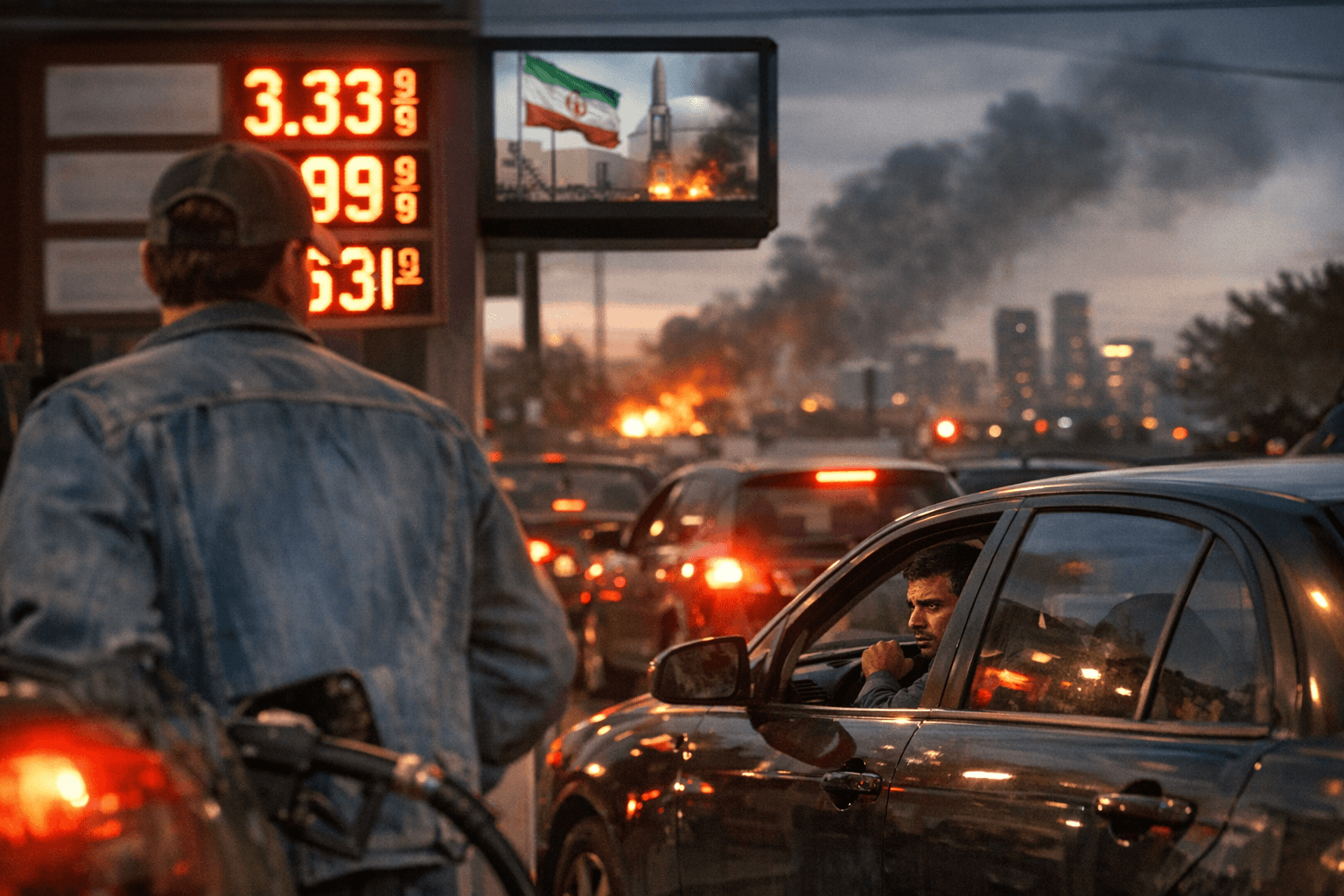
The collapse of U.S.-Iran talks pushed national security, household prices and the global economy into the same political argument on Face the Nation, where a new CBS poll showed Americans increasingly uneasy about the war and the administration’s approach to it.
Rep. Mike Turner focused the dispute on Iran’s nuclear ambitions, saying the central issue was preventing Iran from becoming a nuclear state. He said negotiations had broken off because Iran would not declare that it would not become one. Margaret Brennan pressed him with CBS polling that found 64% of Americans disapprove of the war and 62% say the president has no clear plan, while also noting that gas prices in Dayton, Ohio, were up about a dollar from the same time last year.
That polling backdrop matters because the political damage is not confined to foreign policy elites. CBS’s poll coverage said the president’s approval on Iran had ticked lower, younger Americans gave him the lowest marks on the issue, and many respondents believed the war would last months or longer. The same survey tied the conflict to views of the economy and the president’s handling of both, suggesting that energy prices are now shaping perceptions of national security as much as diplomacy is.
Kristalina Georgieva added the economic warning that could define the week’s debate. The IMF managing director said the fund is assessing the shock by its size and duration, and she described it as large and global, with effects varying by geography, energy dependence and reserve levels. Her most striking estimate was that 13% of oil and 20% of gas that would have flowed in the world has been stuck for five weeks and counting.
Georgieva warned that the fallout would not stop at fuel markets. She pointed to knock-on effects for fertilizers, food prices, remittances and transportation, all of which could strain energy-importing countries far from the battlefield.
The April 12 broadcast also featured Sen. Mark Warner and Israeli Ambassador to the U.S. Dr. Michael Leiter, underscoring how the collapse of the talks is reverberating through Congress, allied diplomacy and economic planning at once. What emerged from the program was not just a foreign policy setback, but a broader test of whether Washington can explain its objectives, steady markets and avoid turning a regional crisis into a longer political and economic liability.
This article was produced by Prism’s automated news system from verified source data, official records, and press releases, then run through automated quality and moderation checks before publishing. The system is built and supervised by the people who set the standards it runs under. Read our full AI policy.
Did this article answer your question?

