Twitter Investors Win Class-Action Status Over Musk's 2022 Acquisition Conduct
A New York judge certified a class action against Elon Musk over his secret accumulation of 13 million Twitter shares in March 2022, just days after a separate San Francisco jury found him liable for misleading investors.
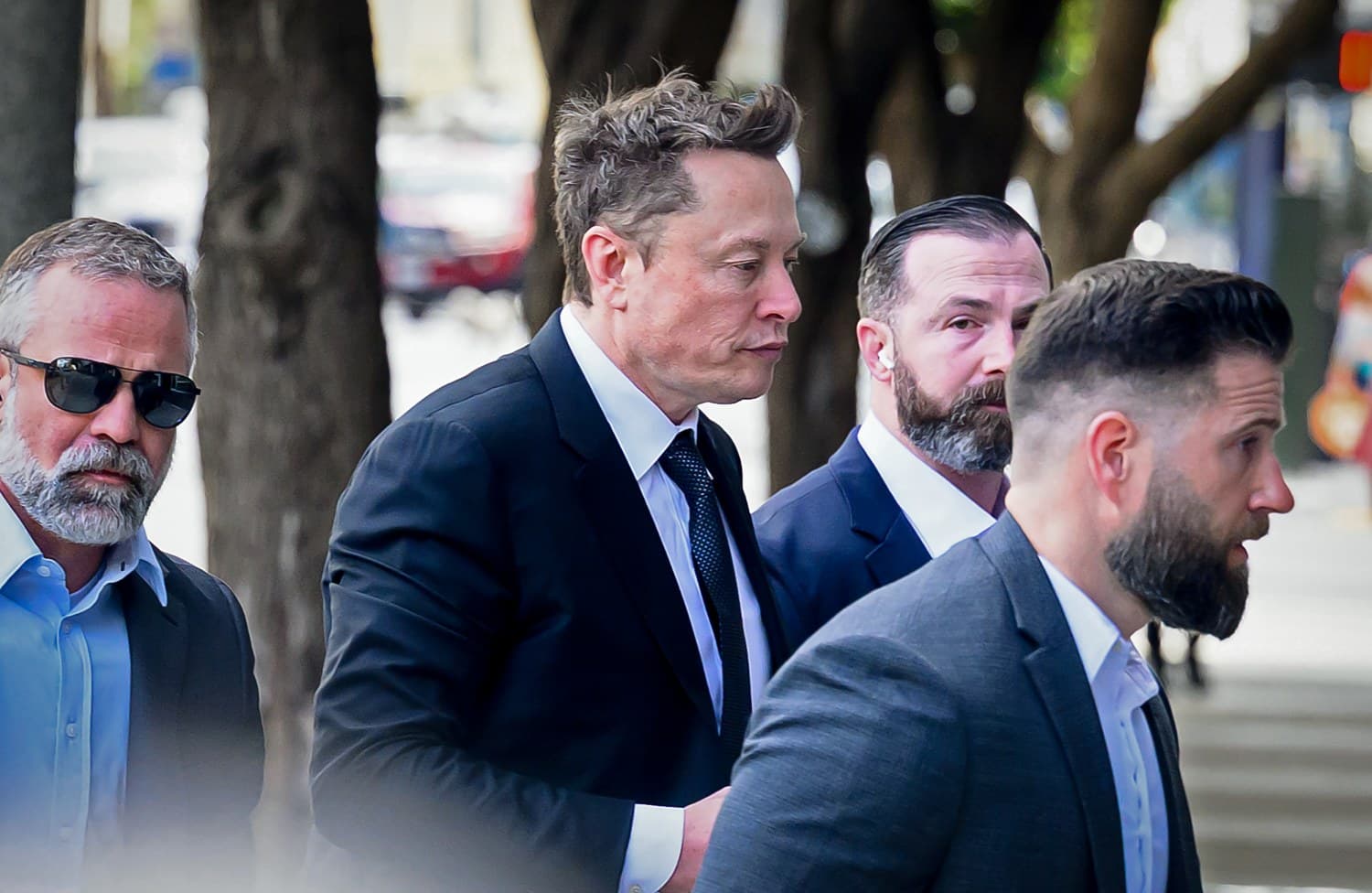
A federal judge has handed Twitter investors a pivotal legal win, certifying their class-action lawsuit against Elon Musk over the 11-day trading blitz that preceded his $44 billion acquisition of the platform in 2022. The ruling by US District Judge Andrew Carter in New York transforms what had been a smaller, fragmented dispute into a consolidated case with expanded leverage, a broader potential damages pool, and the kind of collective legal weight that historically pressures defendants toward settlement.
The investors' allegations zero in on a specific window: beginning March 25, 2022, Musk quietly accumulated more than 13 million Twitter shares over 11 days without making the timely public disclosures the Securities and Exchange Commission requires of investors crossing key ownership thresholds. Plaintiffs argue that Musk compounded that violation with misleading tweets about Twitter's future, while executing what the complaint describes as a "coordinated trading strategy to silently build up" his position. Shareholders who traded during that period, unaware of Musk's accumulating stake, form the core of the certified class.
Judge Carter's decision to certify the class relied on the investors' pleaded facts alleging those late SEC filings and the misleading public statements. That finding matters enormously in procedural terms: certification is not a ruling on the merits, but it is the threshold that separates a case with marginal settlement value from one capable of generating liability at scale. Discovery, which now proceeds on a class-wide basis, could compel production of internal communications, trading records, and strategic documents from Musk's advisers that touch directly on what he knew and when.
The New York ruling arrived eleven days after a San Francisco jury delivered a separate blow to Musk, finding on March 20 that he misled Twitter investors in 2022 with public statements about the prevalence of fake accounts on the platform. That jury found his tweets on May 13 and May 17, 2022 were materially false or misleading. Musk's legal team has vowed to appeal that verdict, but the two cases now represent distinct, parallel litigation tracks pressing Musk on different theories of investor harm during the same turbulent acquisition year.
The divergence in theories matters for how corporate deal-makers read the broader implications. The San Francisco case turned on affirmative misrepresentations about platform health. The New York case goes further upstream, targeting the mechanics of stake-building itself: the timing of disclosures, the optics of silence while accumulating a position, and the relationship between those disclosures and the public statements that followed. Together, the two cases sketch a comprehensive legal portrait of the 2022 acquisition that few high-profile transactions have faced.
For corporate boards and legal advisers navigating future megadeals, Judge Carter's certification is a signal that disclosure timing is not a technical formality. The pace and accuracy of SEC filings during a stake-building campaign can become the factual backbone of a certified class action years later. That lesson carries particular weight in an era of founder-led acquisitions where activist communications on social media can outrun regulatory obligations and reshape market prices before the paperwork arrives.
Know something we missed? Have a correction or additional information?
Submit a Tip