Two Britons self-isolate at home after hantavirus cruise ship exposure
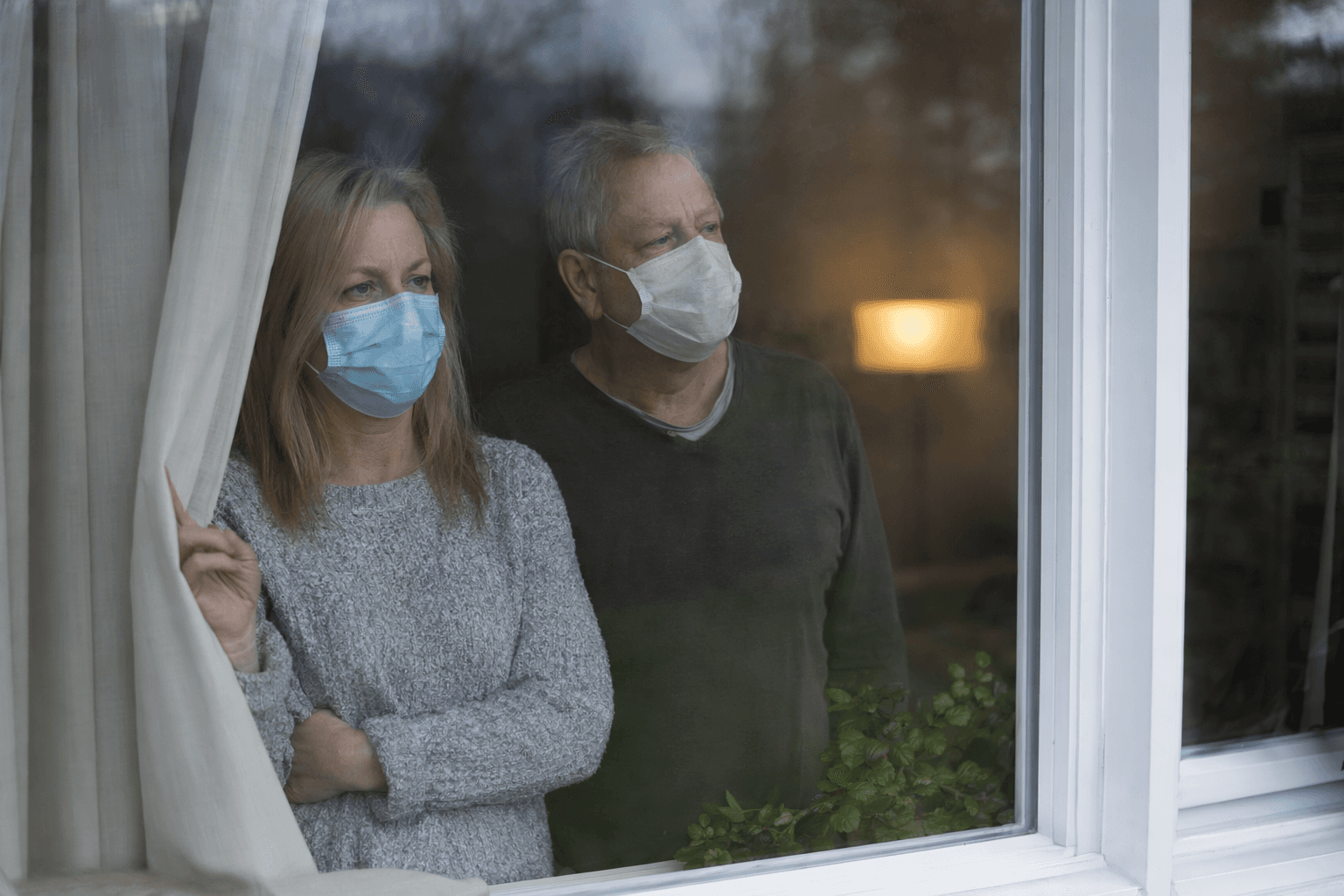
Two Britons are isolating at home after a cruise ship hantavirus exposure that has already killed three people and triggered tracing efforts in several countries.

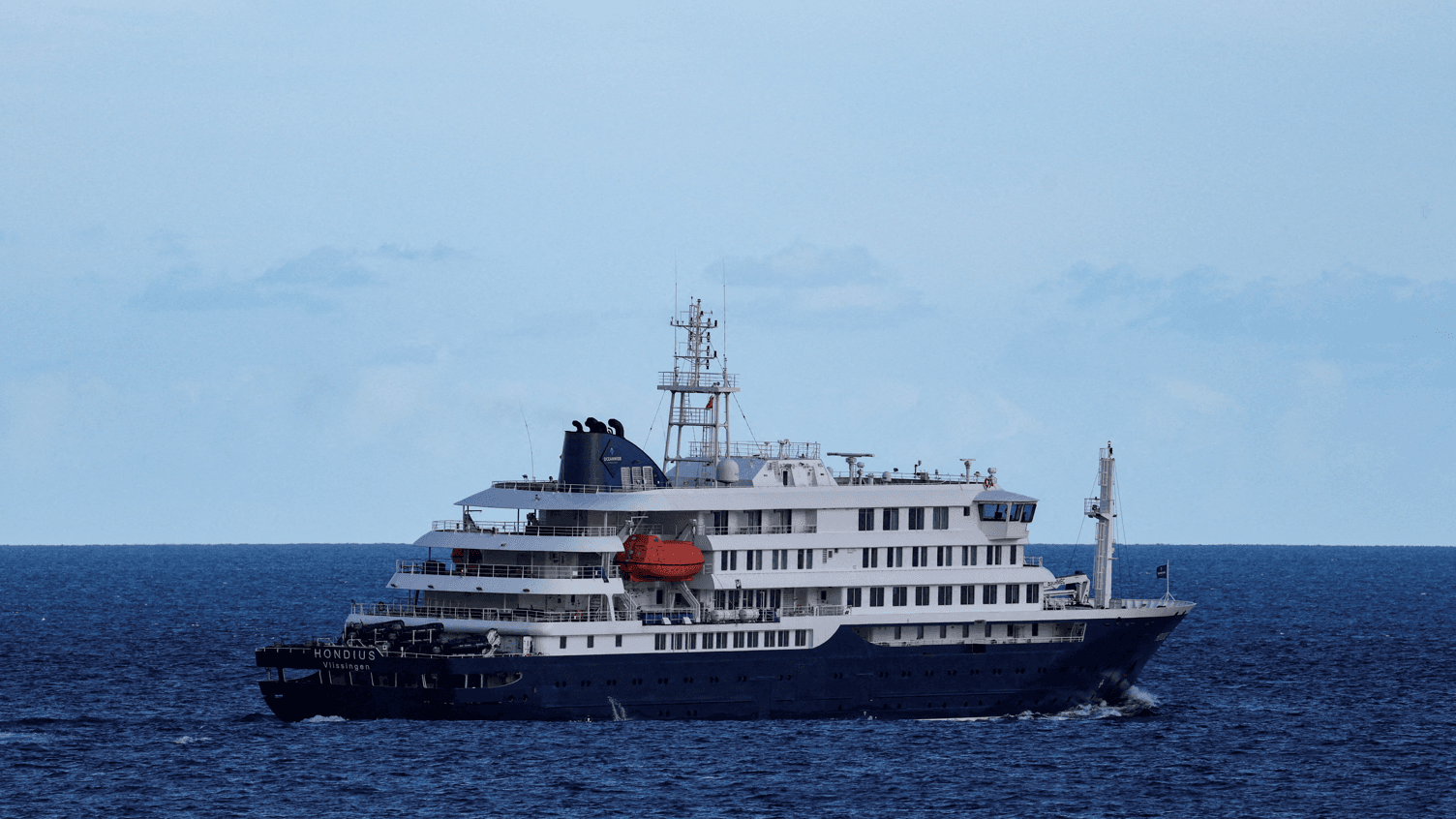
Two British passengers are staying at home in the UK after possible exposure to hantavirus aboard the MV Hondius, a case that has turned a remote cruise itinerary into a cross-border public-health scramble. The UK Health Security Agency said both people have no symptoms, but they contacted officials after time on the ship, which had already drawn international concern.
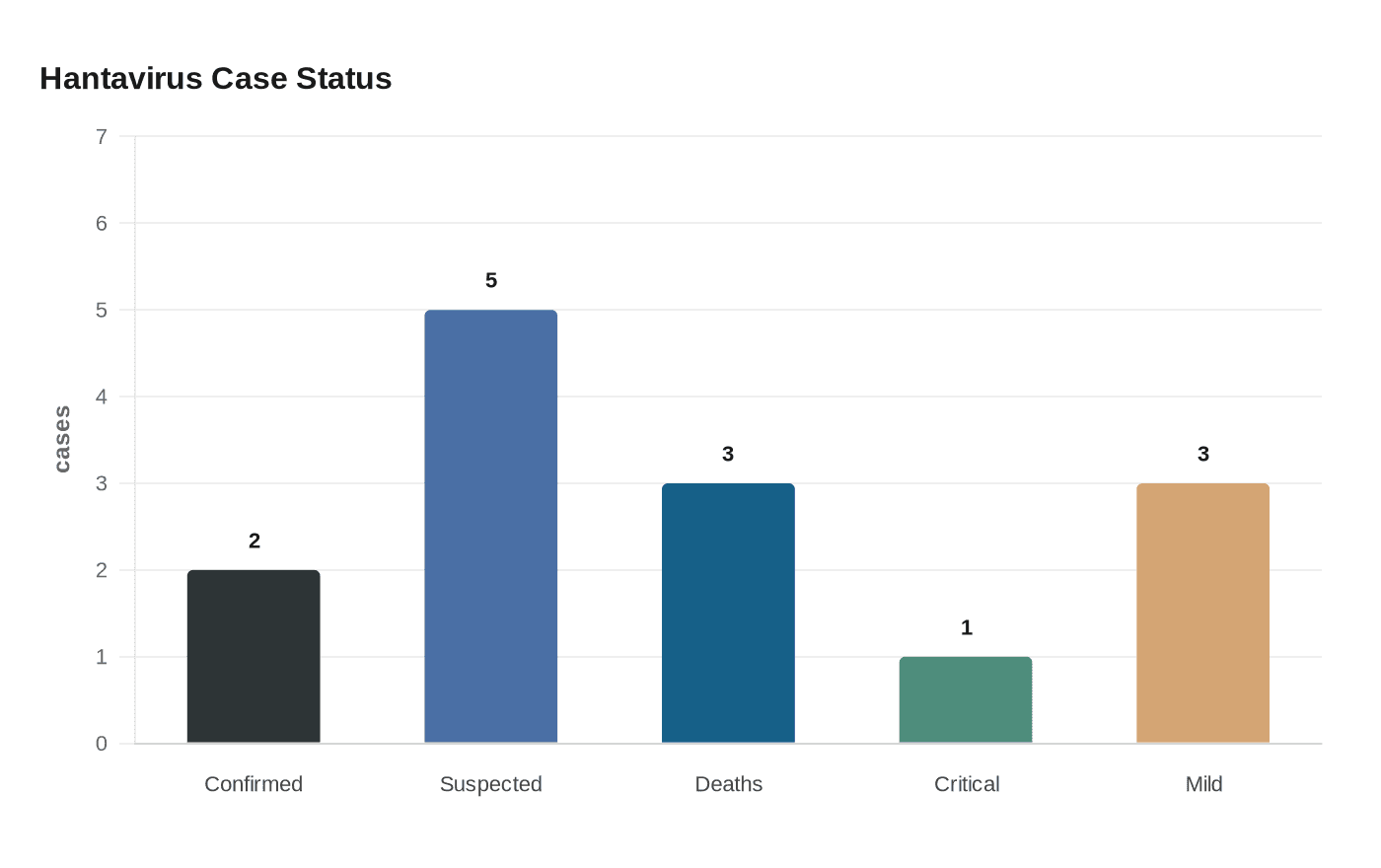
Hantavirus is usually spread through contact with infected rodent urine, feces or saliva, not through casual everyday contact. That distinction matters because public anxiety is being driven by a rare outbreak on a ship with a small number of cases, while health agencies are still treating the risk to the wider public as low. The World Health Organization said it was notified on 2 May of a cluster of severe respiratory illness on board and, as of 4 May, had identified seven cases: two laboratory confirmed hantavirus infections and five suspected cases. Three people died, one patient was critically ill and three more had mild symptoms.
The vessel carried 147 people in total, including 88 passengers and 59 crew from 23 nationalities. WHO said illness onset ran from 6 to 28 April, after the ship left Ushuaia, Argentina, on 1 April and followed a route that included Antarctica, South Georgia, Nightingale Island, Tristan da Cunha, Saint Helena and Ascension Island. WHO assessed the global risk as low, while noting that limited human-to-human transmission has previously been reported with Andes virus, the South American strain that has drawn particular attention in this outbreak.
That caveat helps explain why officials are acting fast even without evidence of a broad spread. Reuters reported that countries were scrambling to trace passengers who left the ship before it was marooned off Cape Verde, and AP said about 40 passengers disembarked at St. Helena, including the wife of a Dutch man who died. Sky News reported that the MV Hondius later headed toward Spain and the Canary Islands after leaving Cape Verde, widening the number of places where passengers may need to be reached.
The response has also extended beyond Britain. The Centers for Disease Control and Prevention said on 6 May it was closely monitoring U.S. travelers on the ship, with the State Department leading a coordinated response and direct contact efforts. The agency said the risk to the American public was extremely low. Separate reporting also said Swiss officials were tracing contacts after a patient hospitalized in Zurich fell ill with a hantavirus strain capable of human-to-human transmission after returning from South America at the end of April. That is the balance public-health officials are trying to strike here: act quickly, trace widely and isolate cautiously, while the evidence still points to a small cluster rather than a wider outbreak.
This article was produced by Prism’s automated news system from verified source data, official records, and press releases, then run through automated quality and moderation checks before publishing. The system is built and supervised by the people who set the standards it runs under. Read our full AI policy.
Did this article answer your question?