Two drones land in Nakhchivan as Europe pledges air defenses to Gulf
Two Iranian drones landed in Azerbaijan’s Nakhchivan, injuring two civilians; Europe moves to supply air defenses while energy flows through the Strait of Hormuz and Qatar’s LNG output face major disruption.
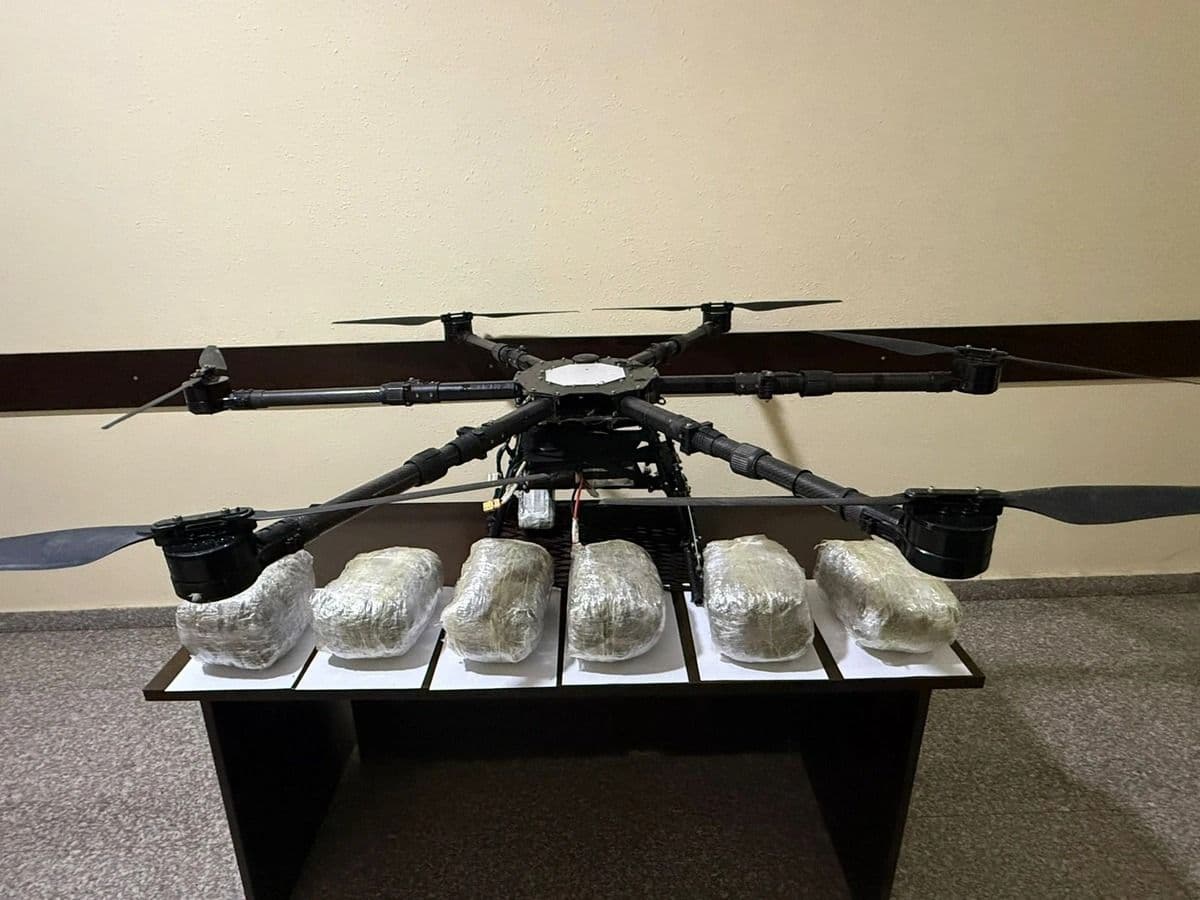
Two Iranian drones fell into Azerbaijan’s Nakhchivan on Thursday, injuring two civilians, Azerbaijan’s foreign ministry said, a stark signal that the Iran crisis is spreading beyond the Middle East and into the Caucasus. The incident came a day after Ankara said NATO had shot down a missile headed toward Turkish airspace, and follows what U.S. and Israeli officials described as “major combat operations” directed at Iran earlier this week.
The escalation has prompted concrete steps by European governments. Italy pledged air defense weapons to Gulf partners so they can defend against what Rome called likely retaliatory attacks from Tehran. EU foreign ministers are meeting with Gulf officials by videoconference to discuss additional measures, including drone interceptors, and to coordinate intelligence and logistics support for regional defenses.
Kaja Kallas, speaking in Brussels, framed the threat as deliberate exportation of conflict. “Iran is exporting the war, trying to expand it to as many countries as they can to sow chaos,” she said, adding that “because the same drones that have been hitting Ukraine are now attacking partners in the Middle East, lessons learned in Ukraine could be used to help Gulf nations.” The comments reflect growing European concern that tactical systems used in one theater are now being deployed elsewhere, creating demand for short-term defensive deployments and longer-term procurement of counter-drone capabilities.
Tehran has signaled an even broader warning. Esmail Baghaei, a foreign ministry spokesperson, said the crisis “will not remain confined to the region” and warned that “the world is not blind; everyone sees this, and if it chooses to turn a blind eye or feign ignorance, it will face consequences.” The statement underscores Iran’s contention that Western action against its missile and drone infrastructure could produce spillovers into Europe and beyond.
The security crisis is already producing tangible economic effects in global energy markets. Tanker traffic through the Strait of Hormuz has largely stalled amid missile and drone strikes around the Gulf, even as U.S. Central Command said the strait was not closed. On Monday, Qatar halted production at Ras Laffan, the world’s largest LNG export facility, after an Iranian drone attack; Qatari officials described the outage as the first full shutdown of the complex in nearly three decades of operations.
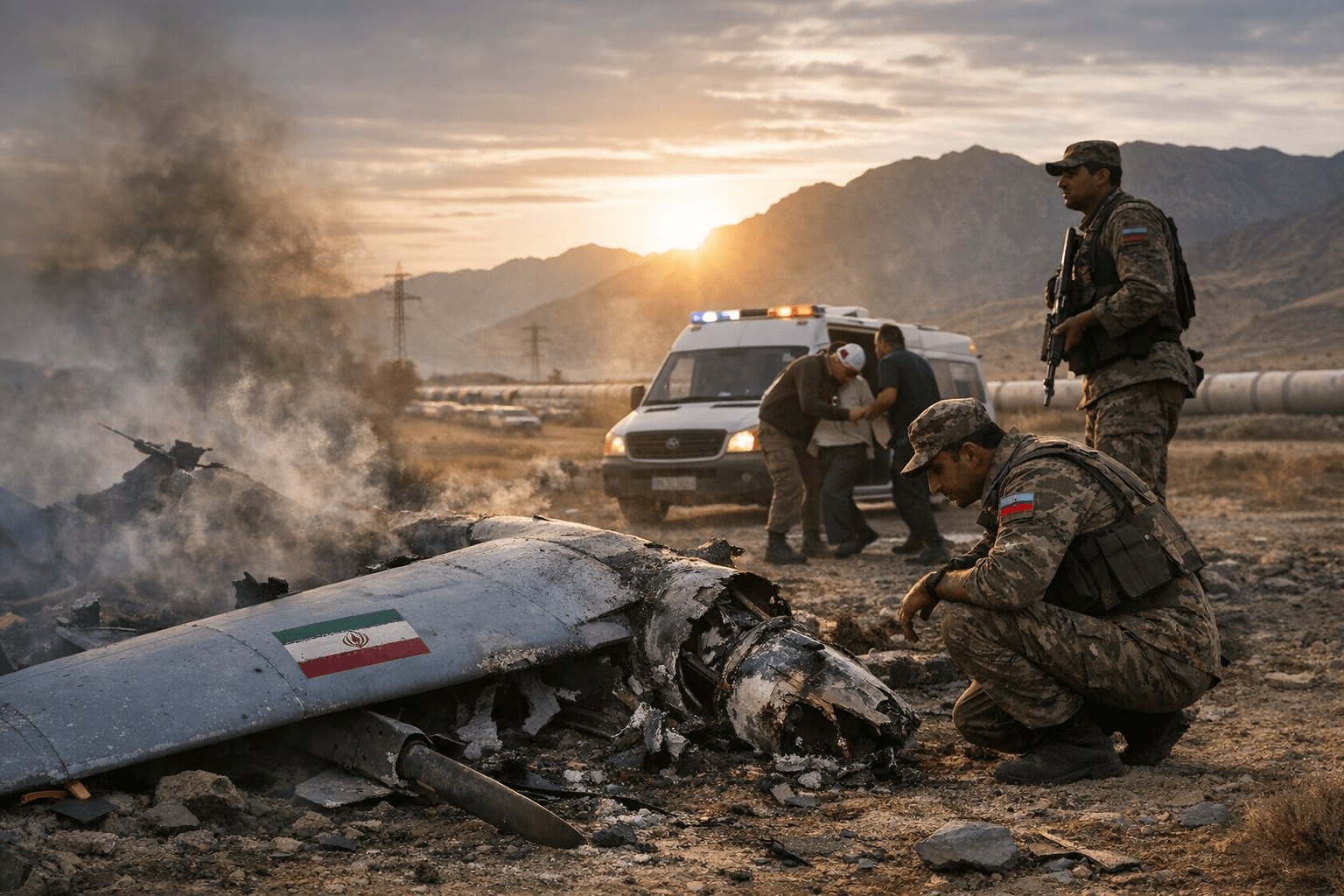
Those disruptions matter because Qatar accounts for roughly a fifth of global LNG supply and supplies about 30 percent of China’s LNG imports, and more than 80 percent of its shipments go to Asian buyers. Market responses are already visible: India began rationing natural gas as utilities and industries adjusted to halted Qatari output and constrained shipping. Energy buyers across Asia, including Japan, Taiwan, Bangladesh and Pakistan, said recent cargoes insulated them for the moment but that they would diversify suppliers and buy spot cargoes if the disruptions persist.
Beyond energy, the incidents in Nakhchivan and reports of strikes in Israel and Iraq mark a shift from isolated strikes to a pattern of cross-border incidents that force political and military decisions in capitals from Baku to Brussels. President Donald Trump framed recent U.S.-Israeli objectives in uncompromising terms, saying the aim was “to destroy their missiles and raze their missile industry to the ground,” a line that signals potential for further kinetic escalation.
With EU ministers now coordinating directly with Gulf partners and Italy preparing to move air-defense systems, Europe is recalibrating from diplomatic pressure to material support. The immediate questions for markets and NATO members are whether defensive measures will slow weapons transfers and reprisals, and whether the disruption to shipping and LNG flows will deepen into lasting shortages and higher energy prices.
This article was produced by Prism’s automated news system from verified source data, official records, and press releases, then run through automated quality and moderation checks before publishing. The system is built and supervised by the people who set the standards it runs under. Read our full AI policy.
Did this article answer your question?