Two killed in firefighting helicopter crash near Utah wildfire
A firefighting helicopter went down near Richfield as crews battled the lightning-sparked Widemouth 2 Fire, killing the two people aboard.
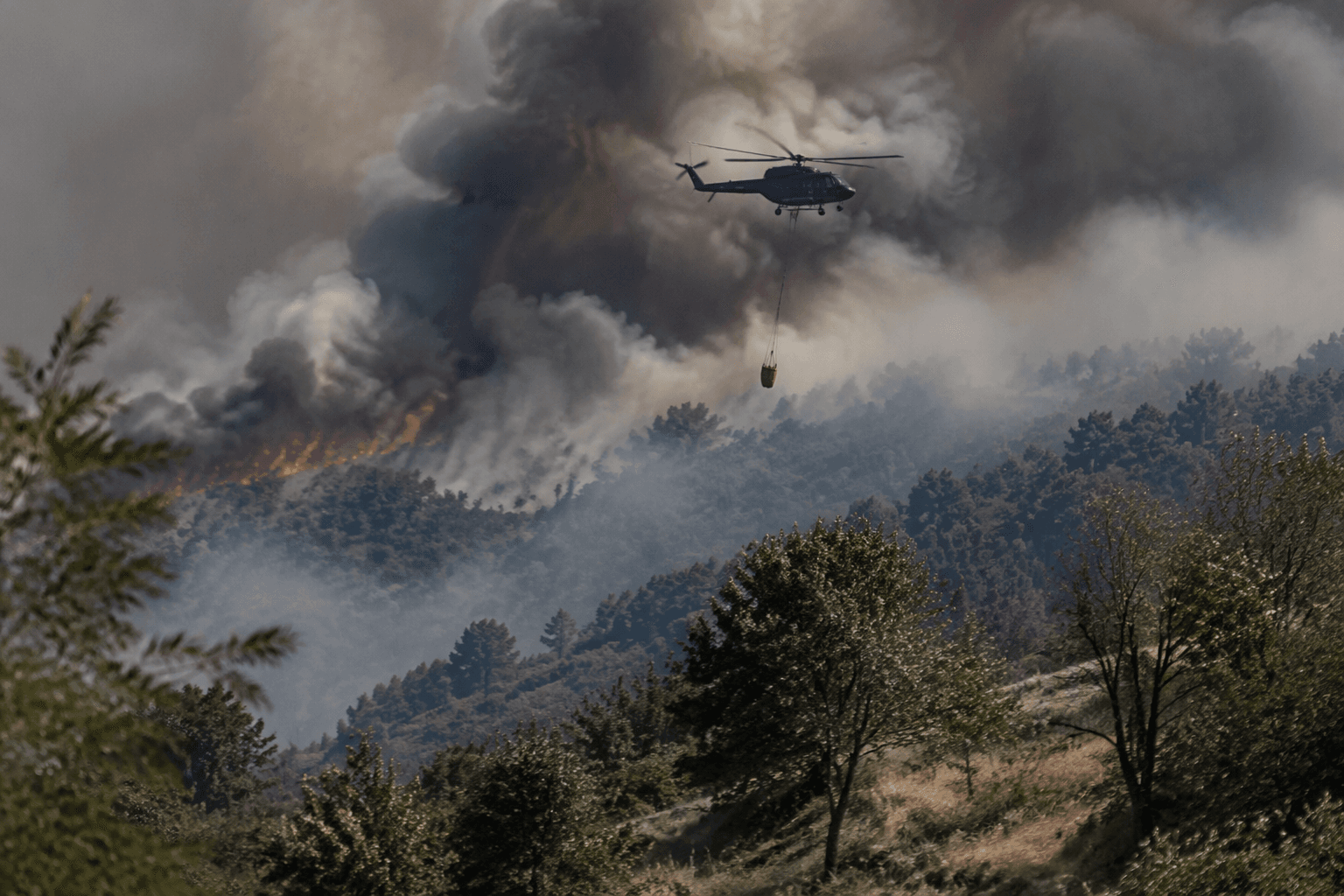
Two people died when a firefighting helicopter crashed near the Widemouth 2 Fire in central Utah, where crews were battling a lightning-sparked blaze near Richfield. Federal Aviation Administration reporting cited by local outlets placed the crash at about 10 a.m. local time Friday, near the south end of the fire.
Rescue teams initially could not reach the wreckage because of intense fire activity and dangerous conditions. AP said the wildfire kept crews from reaching the downed aircraft, while ABC4 Utah reported that conditions prevented emergency access and left the site inaccessible. The crash underscored how quickly an aerial firefighting mission can turn into a recovery operation when wind, heat and terrain close off the scene.
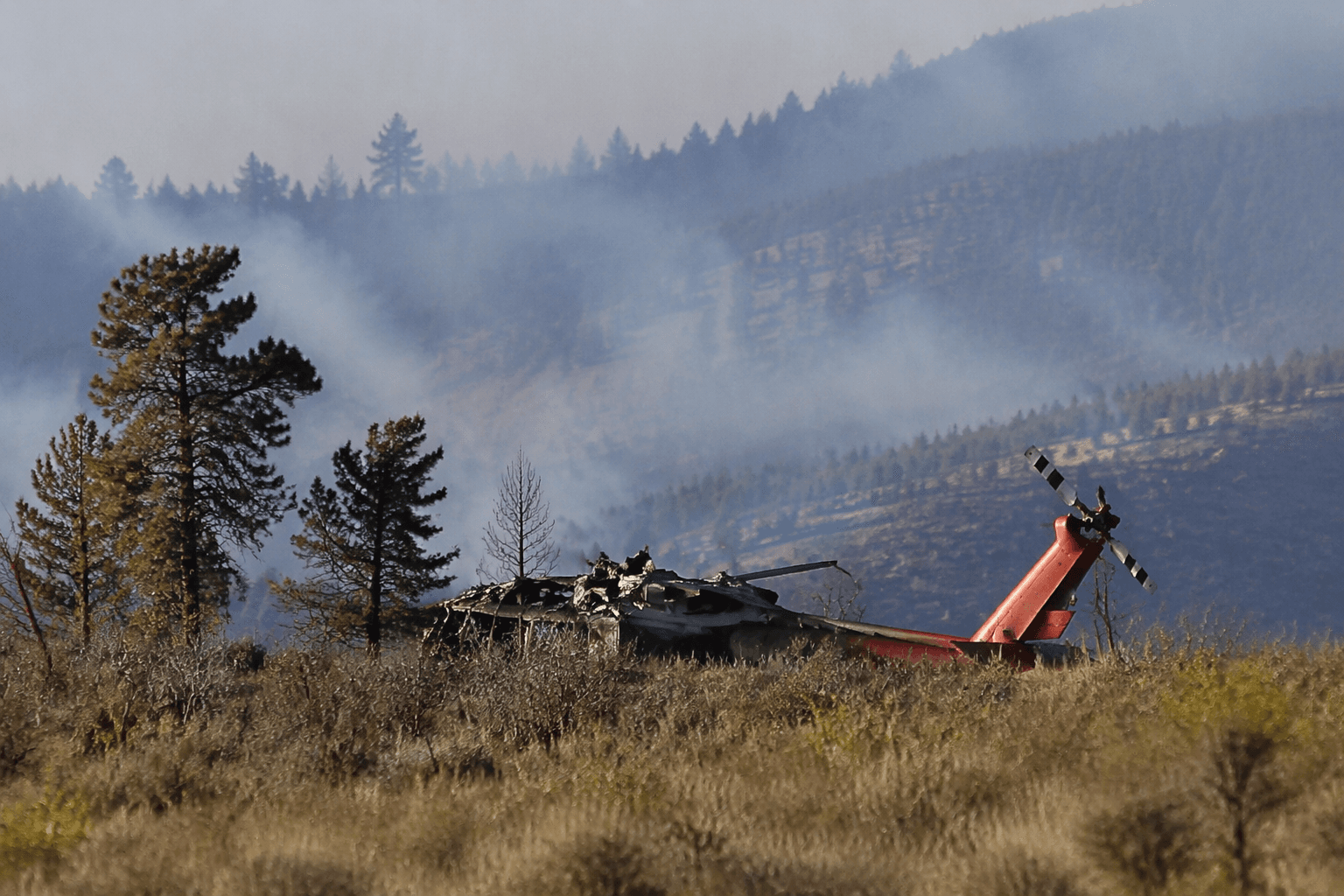
The helicopter was one of seven assigned to the fire, AP and CBS/AP reported. Local coverage identified the aircraft as a Sikorsky S-64 Skycrane heavy-lift helicopter, a workhorse used to move large amounts of water and other firefighting loads into hard-to-reach areas. Two people were on board. Later local reporting identified them as Thomas Hayes, 41, of Post Falls, Idaho, and Jared Bird, 36, of Anchorage, Alaska.
The Widemouth 2 Fire itself was reportedly caused by lightning on July 27, and by the time of the crash it had drawn multiple helicopters and ground crews into steep and dangerous terrain in central Utah. Utah outlets also reported memorial and honor-escort plans for the crew, along with reactions from state leaders and the firefighting community as word of the deaths spread.
The Utah crash came the same day a dozer operator was killed while battling a separate wildfire in Oregon, another reminder that the most dangerous part of fire season is often not the flame front itself but the work of the people sent toward it. As fires grow larger and more erratic, aviation crews, pilots and ground operators are being asked to work in tighter windows, harsher conditions and greater strain, with every mission carrying the risk that a rescue helicopter may become the next emergency.
This article was produced by Prism’s automated news system from verified source data, official records, and press releases, then run through automated quality and moderation checks before publishing. The system is built and supervised by the people who set the standards it runs under. Read our full AI policy.
Did this article answer your question?