Two-thirds of Americans say U.S. is on wrong track, Trump approval falls
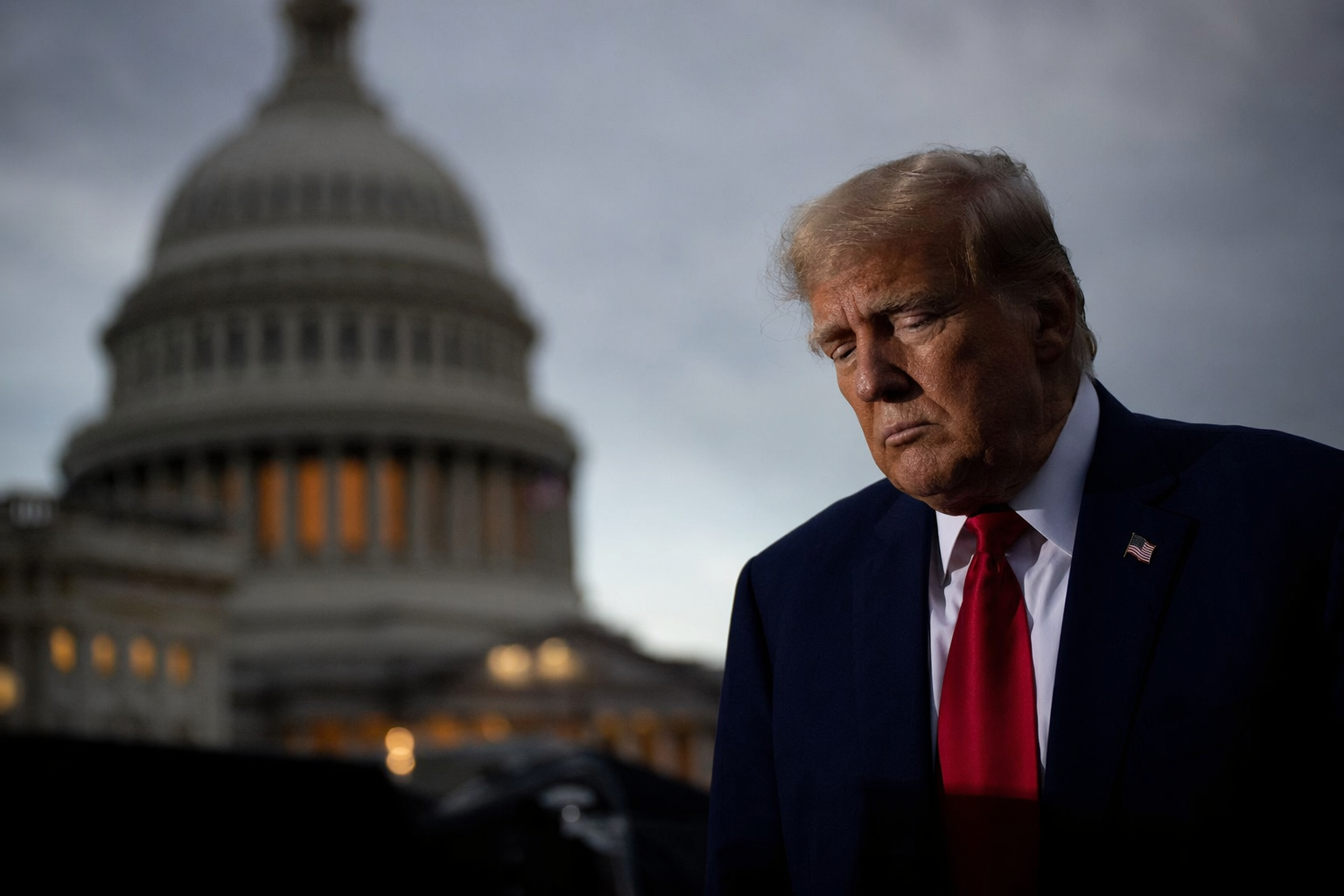
Two-thirds of Americans said the country was on the wrong track, while Trump’s approval fell to 37% as inflation and living costs drove the gloom.

Wrong direction, for many voters, meant more than a sour mood. It meant higher prices at the pump, tighter household budgets and a sense that the country’s economic strain was deepening as the Iran war lifted anxiety over gas prices. In an ABC News-Washington Post-Ipsos poll, two-thirds of Americans said the United States was headed in the wrong direction, while just under a third said it was moving in the right one.
The survey, released May 2, found President Donald Trump’s approval rating at 37%, the lowest of his current term, with 62% disapproving, a record high across both of his presidential terms. The numbers point to a political problem rooted less in broad ideology than in everyday financial pressure: 76% of respondents disapproved of Trump’s handling of the cost of living, and 72% disapproved of his handling of inflation. Democrats held a 5-point lead on the 2026 midterm generic ballot.
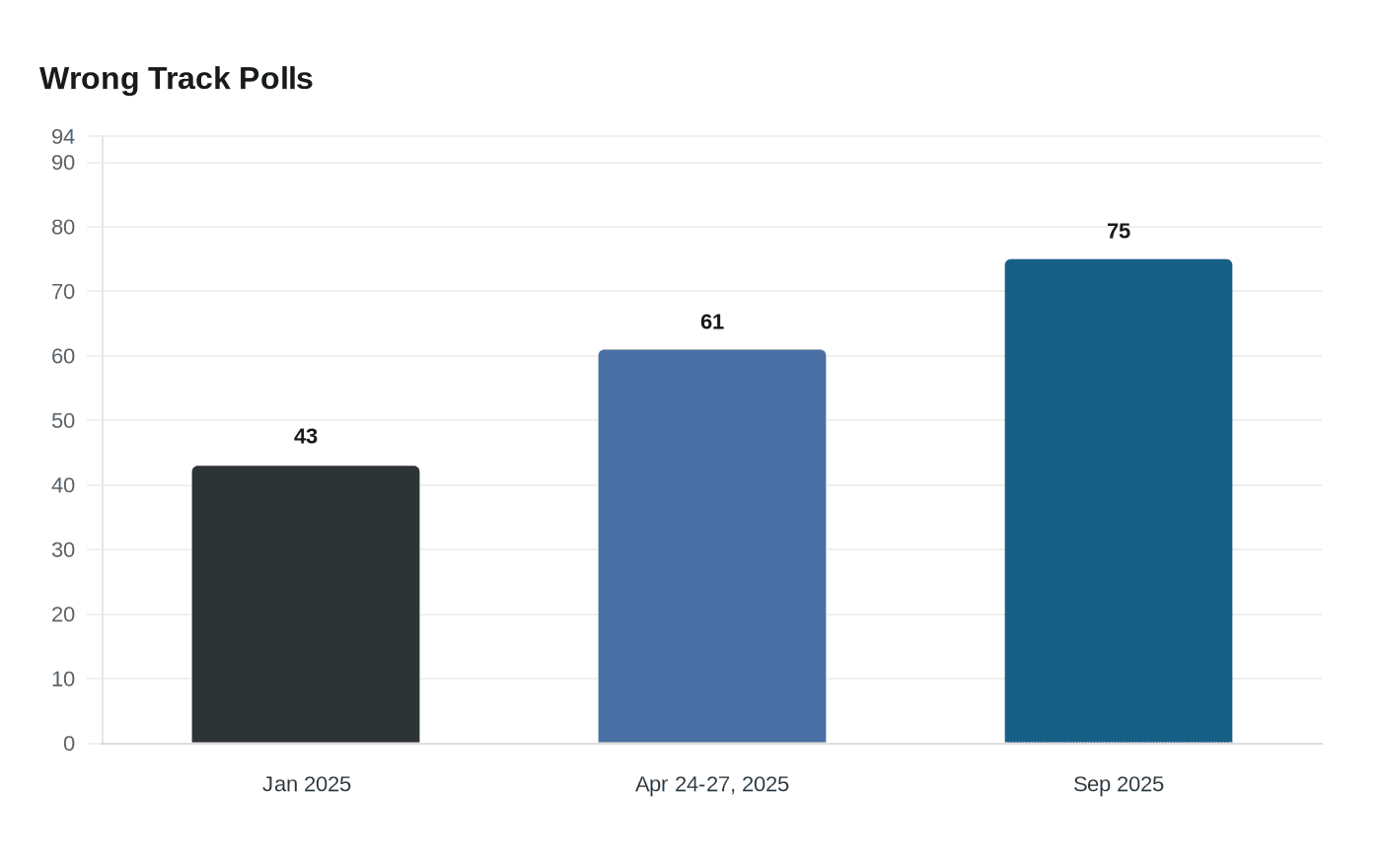
That combination of weak approval and economic frustration matters because the discontent is not isolated to one polling snapshot. A Reuters/Ipsos survey conducted April 24-27 found 61% of Americans said the national economy was on the wrong track, up from 43% in January 2025, and 20% named economic concerns as the country’s most important problem. An AP-NORC poll in September 2025 found 75% of adults said the country was on the wrong track, up from 62% in June, showing how quickly pessimism had widened.

The AP-NORC data also suggested the shift was not simply a national reflex against the White House. It was driven largely by Republicans, with 51% saying the country was going in the wrong direction, up from 29% in June. The drop in optimism was especially sharp among Republicans under 45 and Republican women, underscoring how the political mood had deteriorated even inside Trump’s own coalition.
Ipsos said the ABC News-Washington Post poll surveyed 2,059 registered voters and carried a margin of error of plus or minus 2.2 points. It also noted that trends may reflect a change in survey mode that began in January 2024. Even with that caveat, the message from the latest polling was consistent: voters were still judging the country through the lens of prices, pressure and distrust in the direction Washington was taking.
This article was produced by Prism’s automated news system from verified source data, official records, and press releases, then run through automated quality and moderation checks before publishing. The system is built and supervised by the people who set the standards it runs under. Read our full AI policy.
Did this article answer your question?

