Two thirds of Britons say Brexit has hurt the UK, poll finds
Two thirds of Britons say Brexit has hurt the UK, and three quarters want closer ties with the EU. The fight has shifted from identity to the costs of separation.
Britons have moved from arguing over sovereignty to counting the costs of separation. A new European Council on Foreign Relations poll found that 66% say Brexit has hurt the cost of living and 65% say it has damaged the economy, a verdict that cuts across party lines and lands a decade after the referendum.
The complaints are increasingly practical. ECFR said 57% of respondents believe Brexit reduced opportunities for young people, while 56% said it made tackling illegal migration, trade and red tape worse. Three quarters now want a closer relationship with the European Union, and only 18% see the United States as a preferred security partner, a sign that many voters now look to Europe first when they think about security and everyday economic resilience.

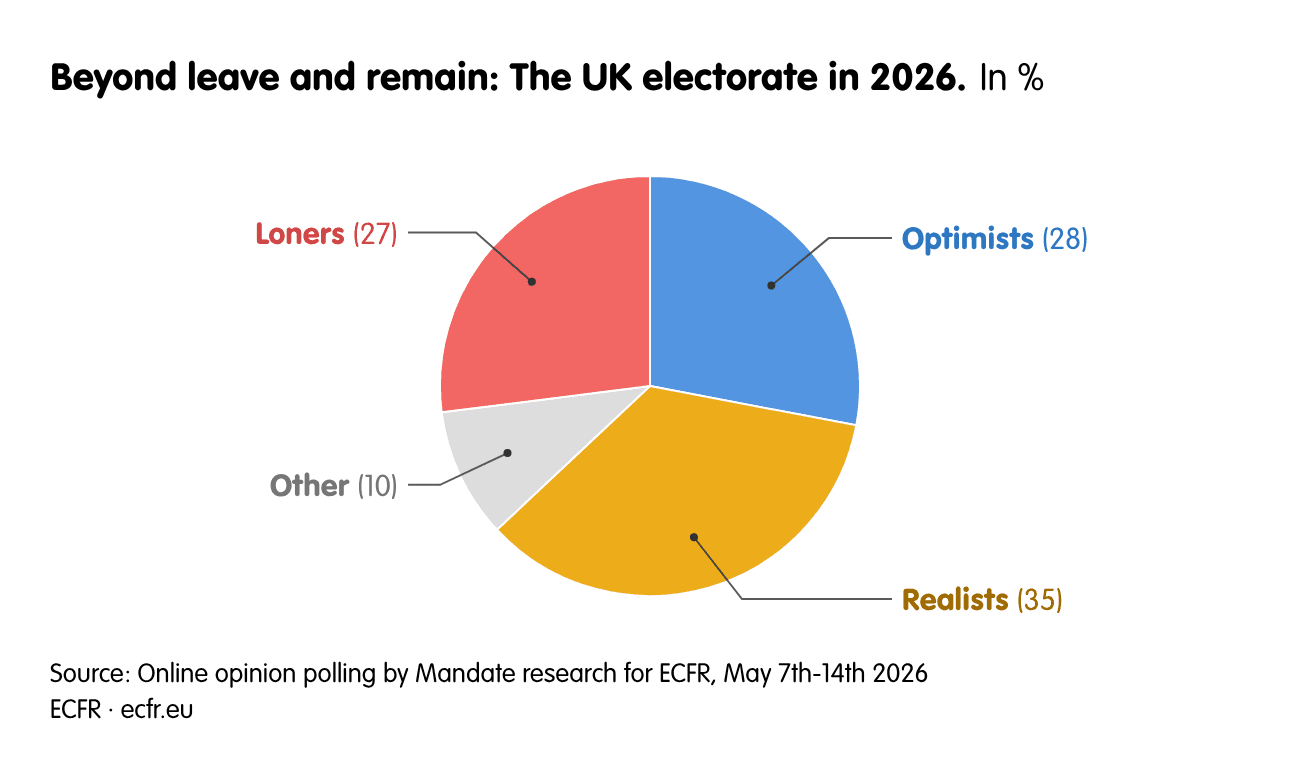
Mark Leonard, ECFR’s director, said the mood reflects a hard reassessment of what leaving was supposed to deliver. “A decade on, Brits realise their hopes for a better life outside the EU are going unfulfilled and that Brexit is undermining the UK’s ability to manage the issues voters care about most.” ECFR said the old leave-remain divide no longer explains the country’s politics as well as it once did, and said voters are better understood as “Optimists,” “Realists” and “Loners.” The brief also said the public has shifted in a world shaped by trade wars, real wars, a rising China and Donald Trump’s return to power.
The broader evidence points the same way. A separate study by King’s College London, Ipsos and UK in a Changing Europe found that 48% of respondents said Brexit is going worse than they expected, while 38% said the 2016 referendum was the wrong decision. Even so, 43% said David Cameron was right to hold it. That same survey found 53% would allow EU citizens to live and work in the UK in exchange for Single Market access, and 60% backed a closer security and defense relationship with the EU.

The UK formally left the EU on January 31, 2020, after years of negotiation over the terms of divorce. But the politics have not settled into nostalgia or closure. Business leaders who once sat on opposite sides of the argument now describe a shared frustration with sluggish growth, high taxes, creaking public services and continued migration pressure. The poll suggests Brexit is now judged less as a constitutional triumph or betrayal than as an economic and strategic choice that many Britons believe has left the country weaker, and more inclined to repair what can still be repaired.
This article was produced by Prism’s automated news system from verified source data, official records, and press releases, then run through automated quality and moderation checks before publishing. The system is built and supervised by the people who set the standards it runs under. Read our full AI policy.
Did this article answer your question?


