Two U.S. scientists charged with smuggling mpox samples from Africa
Two NIH scientists face charges after 113 vials were found in their case at Detroit, including 17 vials of deactivated mpox virus.
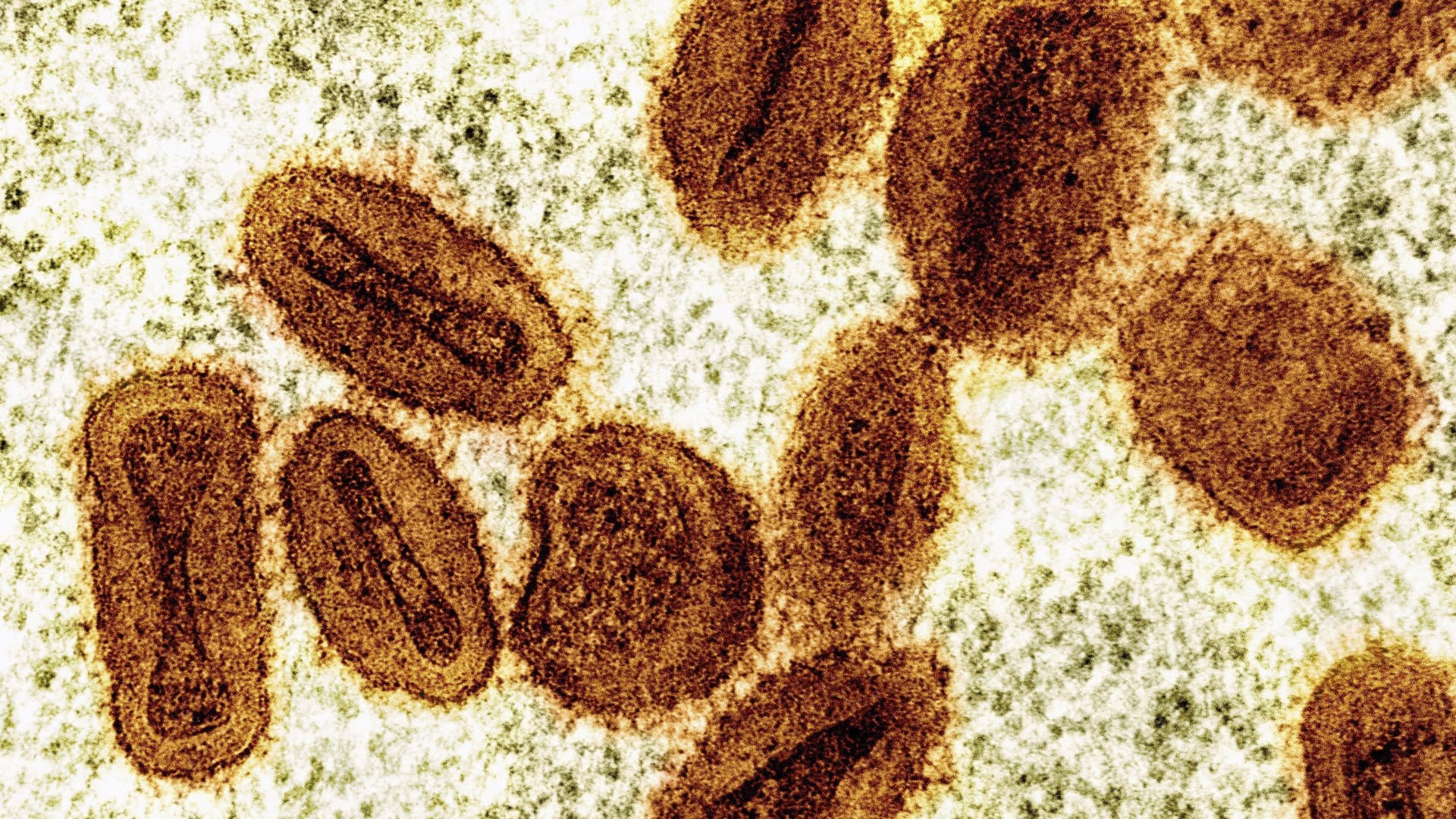
The case reaches far beyond a single airport stop. It goes to the core of how the United States polices dangerous biological material, why even deactivated virus samples remain tightly controlled, and where scientific work can cross into alleged deception.
Federal prosecutors charged Vincent Munster and Claude Kwe in a criminal complaint with conspiracy to smuggle monkeypox into the United States and giving false statements to federal law enforcement. The Justice Department said Munster, a citizen of the Netherlands, heads the Virus Ecology Section at Rocky Mountain Laboratory in Hamilton, Montana, while Kwe, a citizen of Cameroon, works as a research fellow in his section. Both men worked at a Biosafety Level 4 laboratory, the highest tier of containment used for known and potential human pathogens.
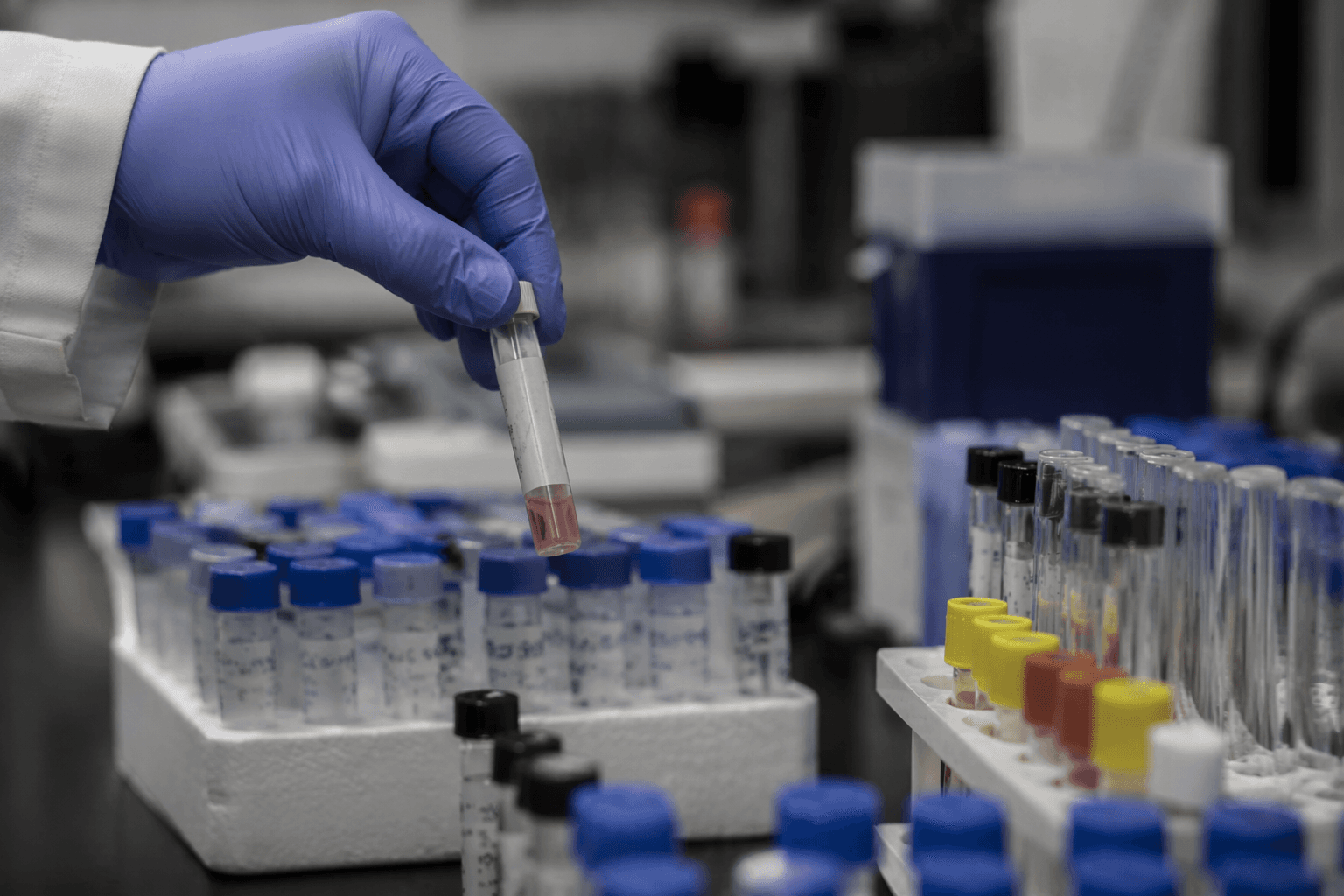
Authorities say the pair arrived at Detroit Metropolitan Airport’s McNamara Terminal on January 25 after travel that began in Brazzaville, Republic of Congo, where an outbreak of monkeypox was active. According to the complaint, they told Customs and Border Protection officers that the black case they were carrying held diagnostics and testing equipment. Investigators later found 113 vials packed in Styrofoam coolers. By the time the complaint was filed, the FBI had tested 20 of them: 17 contained deactivated monkeypox virus, one contained chickenpox virus, and two contained human DNA.
That distinction matters. Deactivated material does not eliminate concern, because biological samples still require declaration, permission, and a documented chain of custody. Regulators treat those rules as a safeguard against misuse, accidental exposure, and hidden transport of infectious material. In this case, prosecutors are not describing a paperwork mistake alone. They allege the scientists concealed what they were carrying and then lied after the fact, turning a possible compliance failure into a criminal case about trust.
The charges land amid renewed concern over mpox in Africa and the United States. The Centers for Disease Control and Prevention said the global clade IIb outbreak that began in 2022 has caused more than 100,000 cases in 122 countries, including 115 countries where mpox had not previously been reported. The agency also said more than 20 laboratory-confirmed clade I cases had been reported in the United States since November 2024. Congo declared its two-year outbreak over on April 2 after what Africa Centres for Disease Control and Prevention figures put at more than 161,000 suspected cases, about 37,000 confirmed cases, and 2,286 suspected deaths.
The investigation also arrives as lawmakers examine Rocky Mountain Laboratory more closely. Republican Sen. Tim Sheehy of Montana has pushed for a review of the lab after a monkey infected with Crimean-Congo hemorrhagic fever bit a worker there last year, adding another layer of scrutiny to a laboratory system where scientific mobility and border enforcement now sit in uneasy balance.
This article was produced by Prism’s automated news system from verified source data, official records, and press releases, then run through automated quality and moderation checks before publishing. The system is built and supervised by the people who set the standards it runs under. Read our full AI policy.
Did this article answer your question?