UAE intercepts Iranian missiles as tanker attack jolts Strait of Hormuz
Iranian missiles crossed into UAE defenses as Project Freedom sent U.S.-flagged ships through Hormuz, sharpening fears of higher oil and insurance costs.
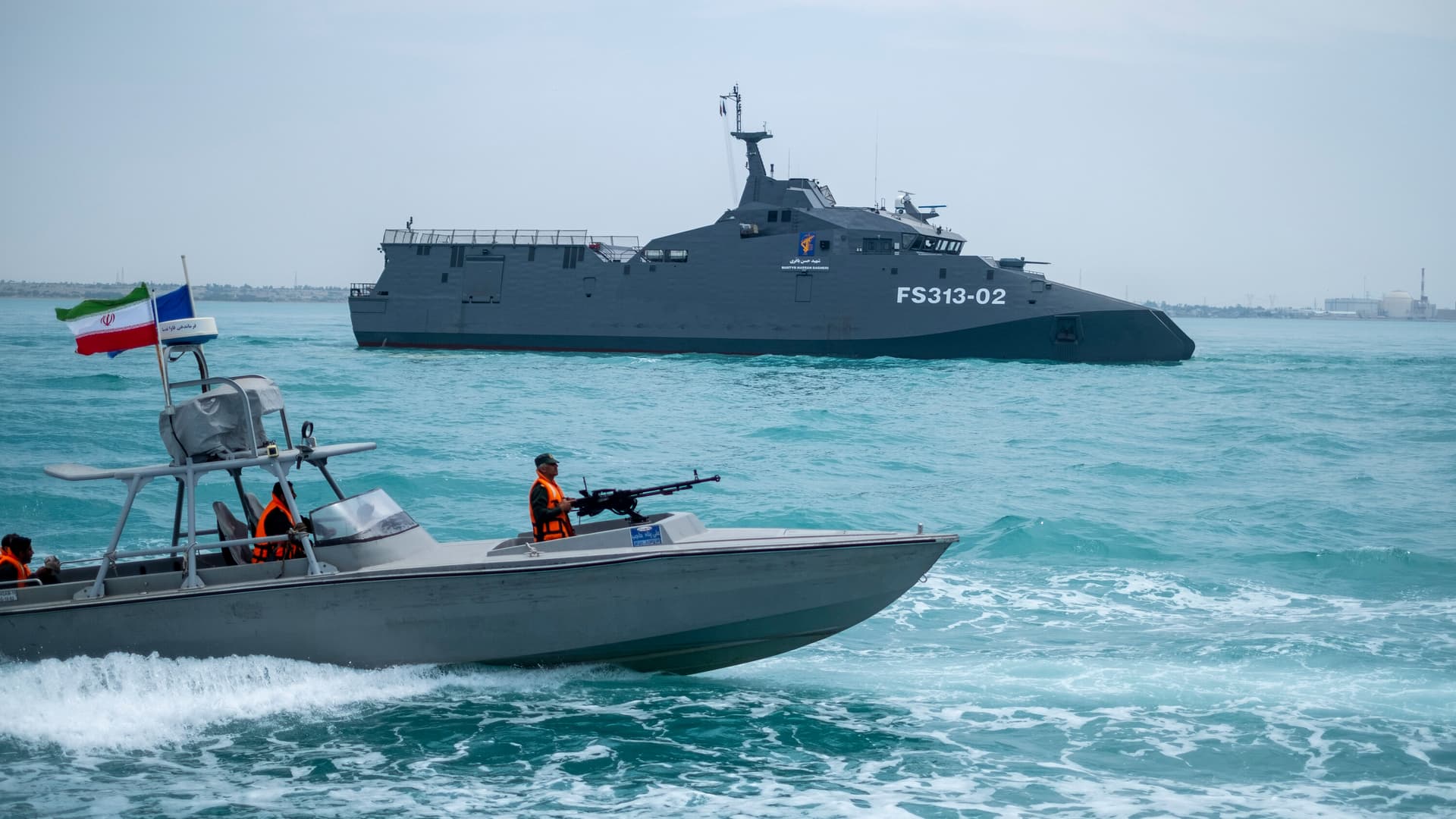
Oil markets and shipping insurers were jolted as missiles, drones and warships converged on the Strait of Hormuz, the narrow waterway that carried about one-fifth of the world’s oil and liquefied natural gas before the war. The United States moved to keep vessels moving through the chokepoint under Project Freedom, while the United Arab Emirates said it intercepted four cruise missiles fired from Iran, the first time it had activated its missile alert system since the ceasefire began about a month ago.
U.S. Central Command said two U.S.-flagged merchant vessels transited the strait safely under the escort effort, and that U.S. Navy guided-missile destroyers were operating in the Arabian Gulf after passing through Hormuz in support of the mission. CENTCOM also rejected Iran’s claim that a U.S. warship had been struck by missiles and forced back, underscoring the fog of conflicting battlefield accounts now hanging over one of the world’s most sensitive shipping lanes.
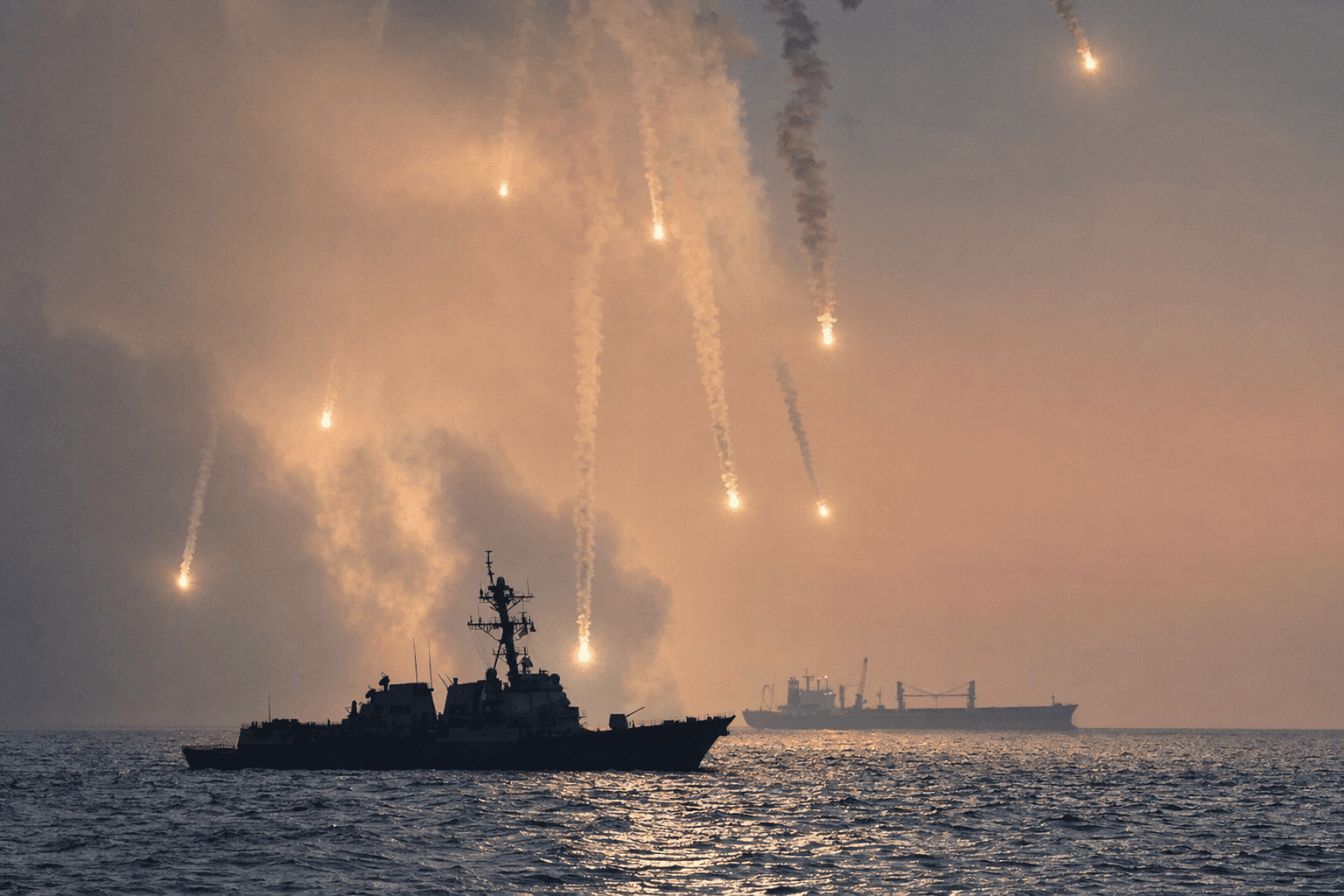
The UAE said three of the missiles were intercepted over territorial waters and a fourth fell into the sea. At the same time, authorities in Fujairah reported a fire at an oil facility, adding to the sense that energy infrastructure across the Gulf was again under pressure. Bloomberg reported that the alert came hours after an ADNOC-owned tanker was struck by Iranian drones outside the Strait of Hormuz, a separate hit that widened concern that commercial shipping was being pulled directly into the conflict.
Trump announced Project Freedom over the weekend as a mission to help “free up” ships stranded in the strait, framing the U.S. presence as a way to protect neutral shipping while warning that interference would be met forcefully. The move came as the war, which began on Feb. 28, 2026, has already disrupted trade across the Gulf and left the strait effectively closed to most tanker traffic at points in the fighting.
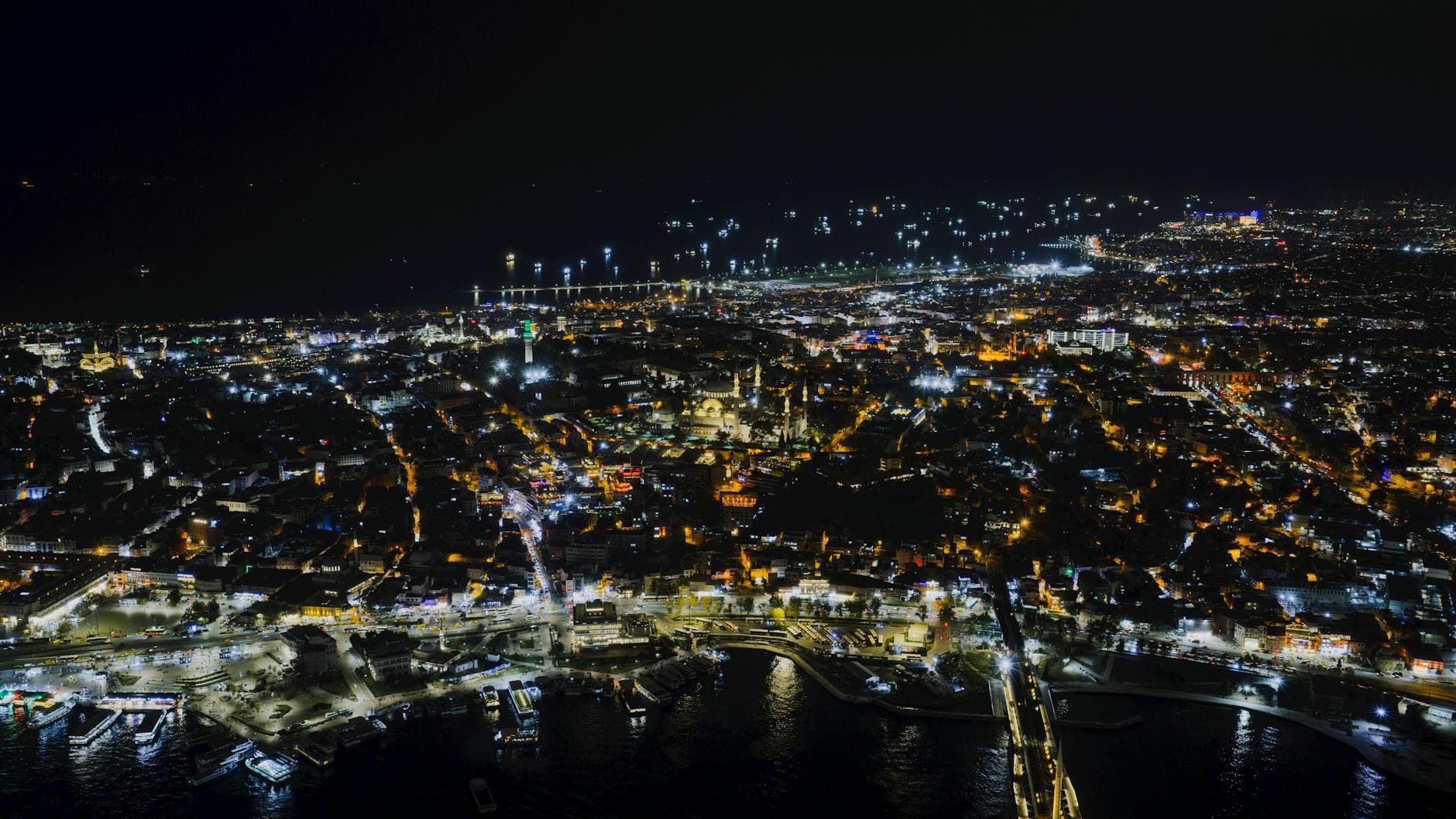
The numbers capture the stakes. Al Jazeera reported that 279 ships had passed through Hormuz and 22 had been attacked since the war began. The Dallas Fed has warned that a complete halt to Gulf oil exports would strip close to 20% of global oil supplies from the market, with about 80% of that flow normally heading to Asia. That makes the current standoff more than a military test. It is a test of whether Washington can deter further attacks, keep trade moving and avoid a wider escalation that sends energy prices, freight costs and regional tensions higher at once.
This article was produced by Prism’s automated news system from verified source data, official records, and press releases, then run through automated quality and moderation checks before publishing. The system is built and supervised by the people who set the standards it runs under. Read our full AI policy.
Did this article answer your question?


