UAW reaches deal with Dauch Corp after Michigan axle strike
A 10-day strike at Dauch Corp.’s Three Rivers axle plant ended with a deal before GM’s buffer ran dry. It showed how one small plant can squeeze a major auto supply chain.

A 10-day strike at a Michigan axle plant ended with a deal that underscored a bigger reality in auto making: workers at a single, critical supplier can still force movement in a supply chain built for speed and thin inventories. The United Auto Workers said it reached an agreement with Dauch Corp. after nearly 1,000 Local 2093 members walked out at the Three Rivers plant, a stoppage that could have spilled into General Motors truck production.
The strike began at 12:01 a.m. on Monday, June 1, after Local 2093 members voted 98% to authorize a walkout ahead of the May 31 contract expiration. Mass picket lines started at 6:00 a.m., and UAW President Shawn Fain joined workers in Three Rivers on May 31 as the local prepared to strike. By Wednesday, the union said the company and the local had settled the dispute, ending a stoppage that had become a closely watched test of labor leverage at the supplier level.
The Three Rivers plant makes axles for the heavy-duty versions of the Chevrolet Silverado and GMC Sierra, making it a small but strategically important point in GM’s truck supply chain. Workers were pressing over pay, health benefits and work-life balance, while the company said it wanted a fair agreement reached at the bargaining table. The strike ended before GM’s axle inventory buffer was exhausted, limiting the immediate threat to truck output.
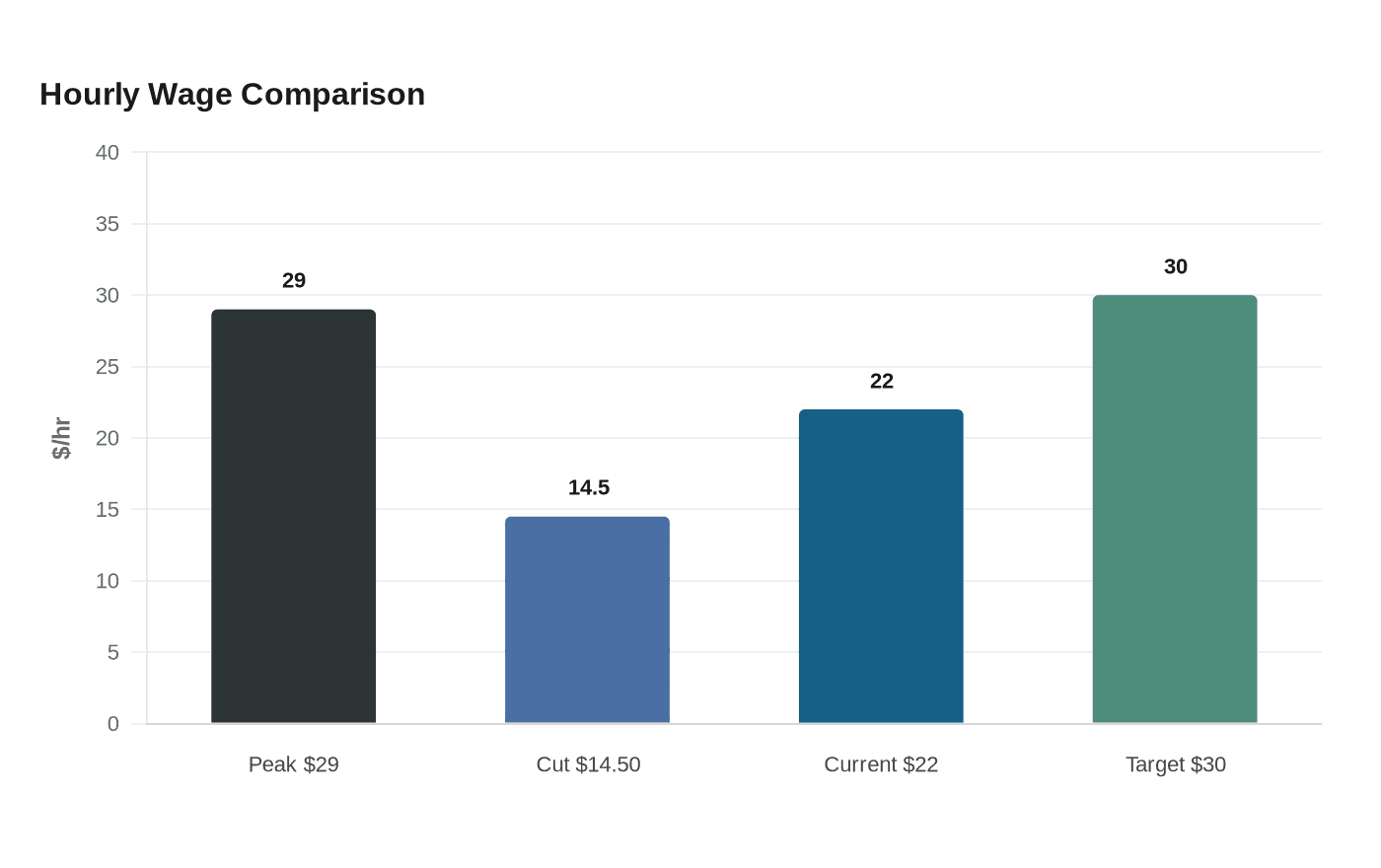
The dispute carried the weight of history. Workers at the plant accepted major concessions during the 2008 financial crisis to help save the facility, and union materials said wages that had once reached $29 an hour were cut to $14.50 during those sacrifices. The current top rate is about $22 an hour after a five-year progression, and workers were seeking a path back to $30 an hour by 2030 without higher health insurance costs.
Dauch Corp., the former American Axle & Manufacturing, changed its name in January 2026. The new agreement closes one of the more visible supplier disputes of the year and reinforces a pattern that has defined Shawn Fain’s tenure: the UAW has shown it can target pressure points outside the marquee automakers themselves. At a time of high labor expectations and manufacturing uncertainty, the Three Rivers deal showed that even a brief strike at one axle plant can carry outsized consequences.
This article was produced by Prism’s automated news system from verified source data, official records, and press releases, then run through automated quality and moderation checks before publishing. The system is built and supervised by the people who set the standards it runs under. Read our full AI policy.
Did this article answer your question?

