Uber Acquires Berlin's Blacklane to Strengthen Its Premium Chauffeur Service
Uber agreed to acquire Berlin's Blacklane just two weeks after launching Uber Elite, adding a 60-country chauffeur network backed by Mercedes-Benz to its premium push.

Uber confirmed an agreement to acquire Blacklane, the Berlin-founded premium chauffeur platform, just two weeks after launching Uber Elite, a move that pairs the company's newest luxury tier with a network serving more than 500 cities across 60 countries and signals a decisive push upmarket as core ride-hail margins face mounting pressure.
The deal came together quickly in public view. Manager Magazin, citing sources, reported on March 24 that a contract was "close to being signed" and that sources close to Blacklane placed a likely valuation in the "upper three-digit million" range, without specifying currency. PitchBook data points to a higher ceiling: a funding round in October 2024 valued Blacklane at $547.32 million. Uber declined to disclose financial terms, and the acquisition is subject to regulatory approvals expected to be satisfied by end of 2026.
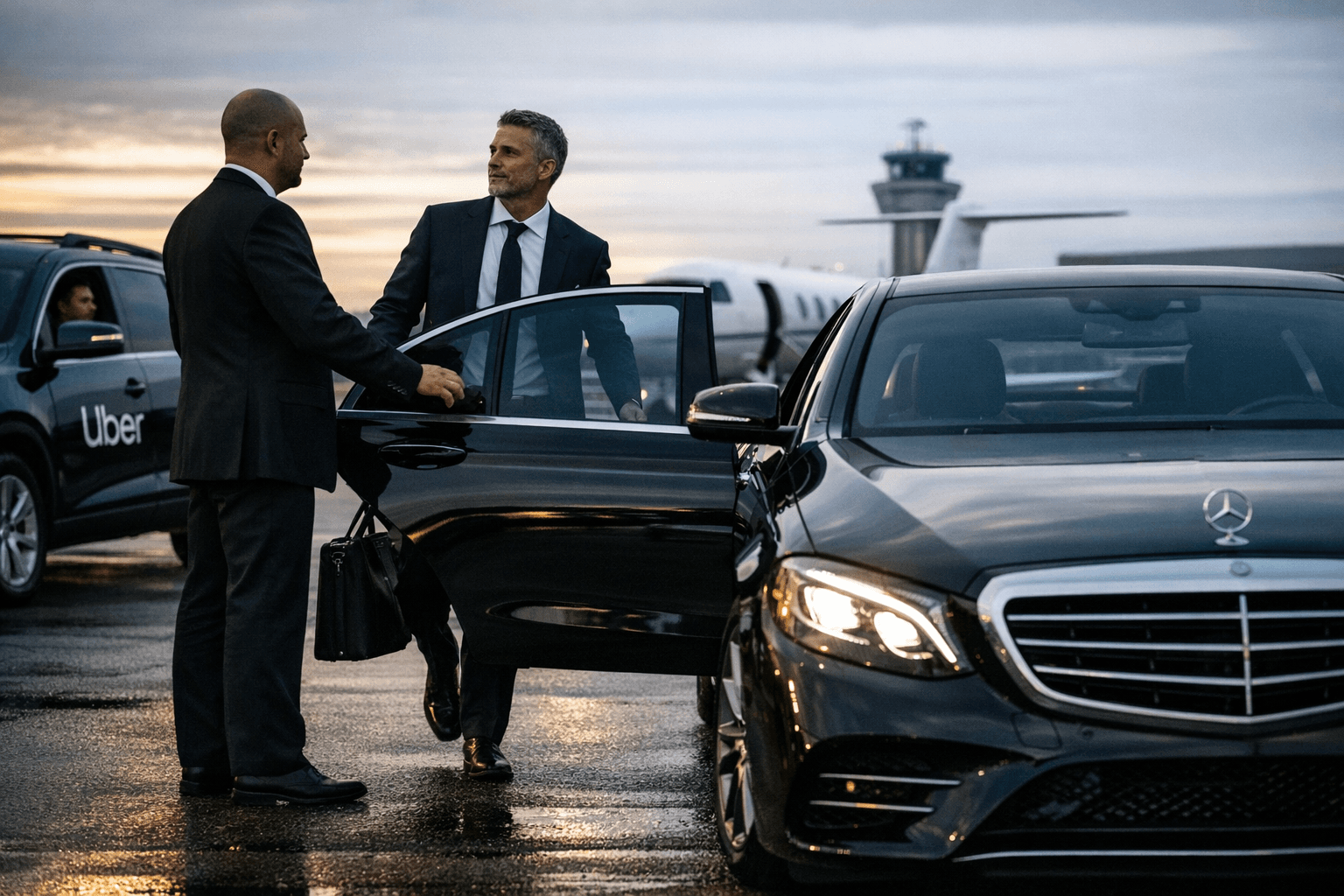
The strategic logic rests on Uber Elite, which Uber launched in mid-March 2026 as an invite-only service for frequent Uber Black users and corporate clients in Los Angeles and San Francisco. Uber Elite, positioned above Uber Black as the most expensive option on the app, dispatches rides in luxury vehicles including the Cadillac Escalade, Lucid Air and Lincoln Navigator through fleet companies that employ professional chauffeurs. Riders must book at least one hour ahead and up to 90 days in advance. Blacklane replicates that model at global scale: founded in Berlin in 2011, it connects travelers with independent local chauffeur services via an app and web booking platform, and has built a corporate client base around fixed-price, pre-scheduled reliability. Uber said pre-booked Reserve trips have become "one of the fastest growing parts" of its mobility business, and Blacklane's executive travel relationships represent a ready pool that Uber Elite currently lacks.
It is a notable exit for Blacklane, which has raised more than $100 million from backers including Mercedes-Benz and Sixt. Major shareholders named in the Manager Magazin report include Mercedes-Benz and the family office of German billionaire Carsten Maschmeyer. The investor roster adds competitive texture: Mercedes-Benz and Sixt both operate in the premium ground transport space, and both will exit a startup they helped fund as Uber consolidates the segment around itself.
Three material integration questions follow the announcement. On labor, Blacklane's independent chauffeur model sits inside a European regulatory environment that has repeatedly contested gig-economy classifications; the EU Platform Work Directive tightens the frame further, and whether Blacklane's chauffeur contracts survive scrutiny under German or EU employment law will directly affect cost structure. On antitrust, the acquisition requires regulatory clearance in a jurisdiction where German authorities have shown appetite for examining cross-border platform consolidations. On brand, Blacklane built its premium reputation in deliberate contrast to Uber's surge-pricing, mass-market image; absorbing it into the Uber ecosystem without eroding the positioning that justifies a nine-figure price will require a level of brand discipline Uber has rarely demonstrated in prior acquisitions.
Uber stock closed at $72.34 on March 24, down 11.47 percent since January 1, a YTD decline that reflects investor skepticism about the company's profitability trajectory and frames precisely why a higher-margin, pre-booked executive segment is where Uber needs to win.
Know something we missed? Have a correction or additional information?
Submit a Tip