Uber bets more than $10 billion on autonomous vehicle fleets
Uber has committed more than $10 billion to robotaxis, signaling a shift from pure asset-light ride-hailing toward owning the fleets behind it.

Uber has committed more than $10 billion to autonomous vehicles, a wager that pushes the company well beyond the asset-light ride-hailing model that made it a transportation giant. About $2.5 billion is going into direct investments, while another $7.5 billion is earmarked for buying robotaxis over the coming years.
The company’s bets now run through a growing list of partners and investments, including WeRide, Lucid, Nuro, Rivian and Wayve. The strategy is not about building every piece of the technology itself. Instead, Uber appears to be positioning itself as the platform that can own, operate or lease the physical fleets that others design, a model that would let it sit closer to the hardware and economics of autonomous mobility.
That is a clear break from the company’s earliest playbook. Between 2015 and 2018, Uber chased moonshots across the autonomous-vehicle and aerial-mobility space, launching Uber Elevate, building an internal autonomous-vehicle unit, buying Otto and later acquiring Jump. After 2020, Uber sold those units and was widely viewed as retreating from hardware-heavy bets, even while it held equity stakes in some of the businesses it had left behind.
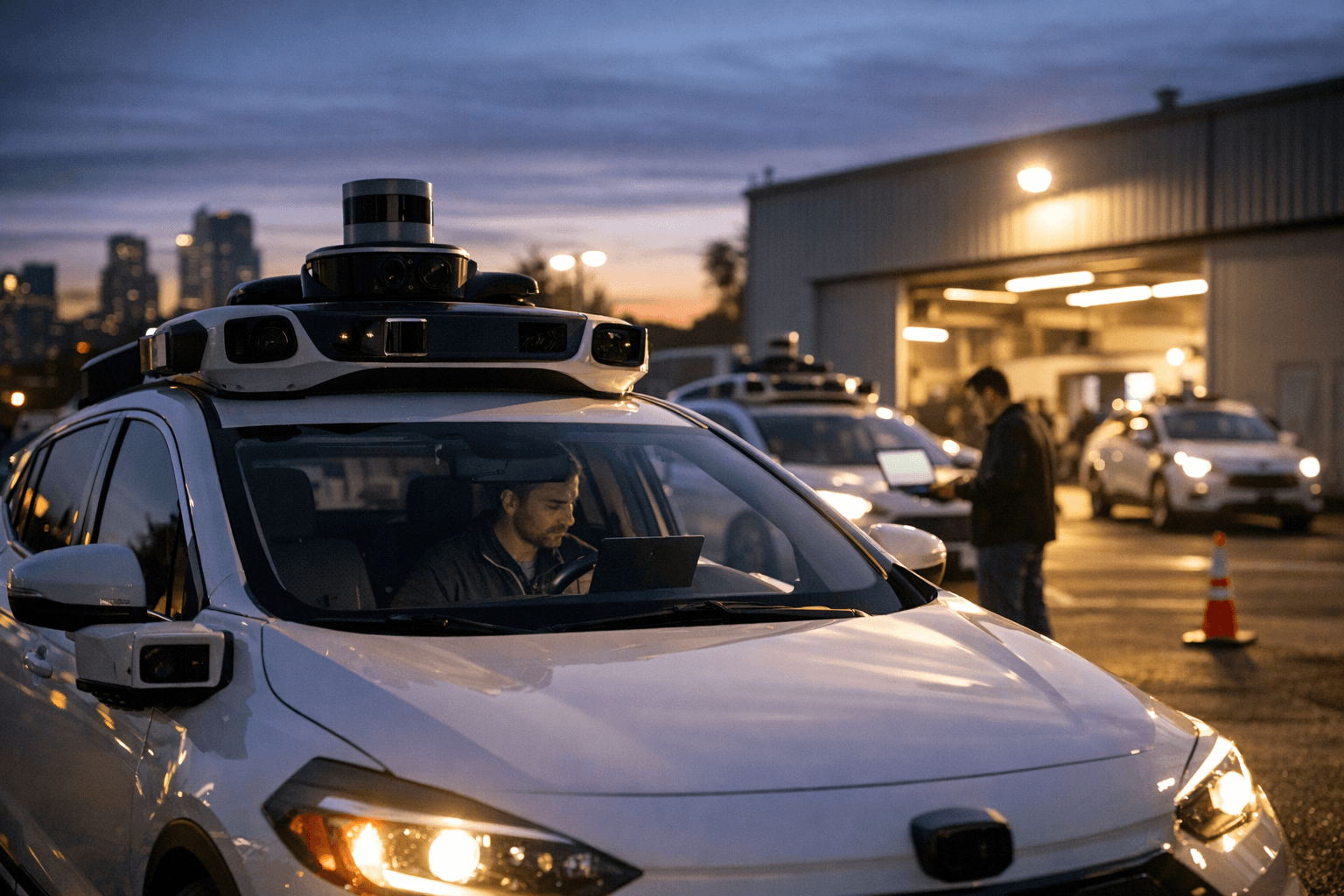
Now the company looks to be returning to real-world assets, but with tighter discipline and a narrower focus on fleet economics. If Uber owns or controls more of the vehicles that move through its network, the balance sheet becomes more complex and more capital intensive. That could also change how investors think about margins, since the company would be absorbing more of the cost and risk that come with vehicle ownership, maintenance, deployment and utilization.
The strategic ambiguity may be deliberate. Uber could end up functioning as a marketplace, an operator, a landlord for robotaxi fleets, or some combination of all three. Each role carries different exposure to operational risk and different demands on capital. As autonomous vehicles shift from demos and pilots toward commercial deployment, that choice will matter far beyond Silicon Valley. It will determine whether Uber remains a software-like intermediary, or becomes a logistics business with physical assets at its core.
This article was produced by Prism’s automated news system from verified source data, official records, and press releases, then run through automated quality and moderation checks before publishing. The system is built and supervised by the people who set the standards it runs under. Read our full AI policy.
Did this article answer your question?