Uber expands into travel, hotels and reservations with new app features
Uber is turning its app into a travel hub for hotels, dining and voice bookings while Khosrowshahi leans harder into AI and autonomy that could reshape driver jobs.
Uber used its sixth annual GO-GET showcase in New York City to push far beyond ride-hailing, unveiling hotel bookings through Expedia Group, vacation rentals from Vrbo later this year, restaurant reservations through OpenTable and an AI-powered voice-booking feature. The event, livestreamed from the Perelman Performing Arts Center on April 29, underscored Uber’s pitch that the company is building “one app for everything.”
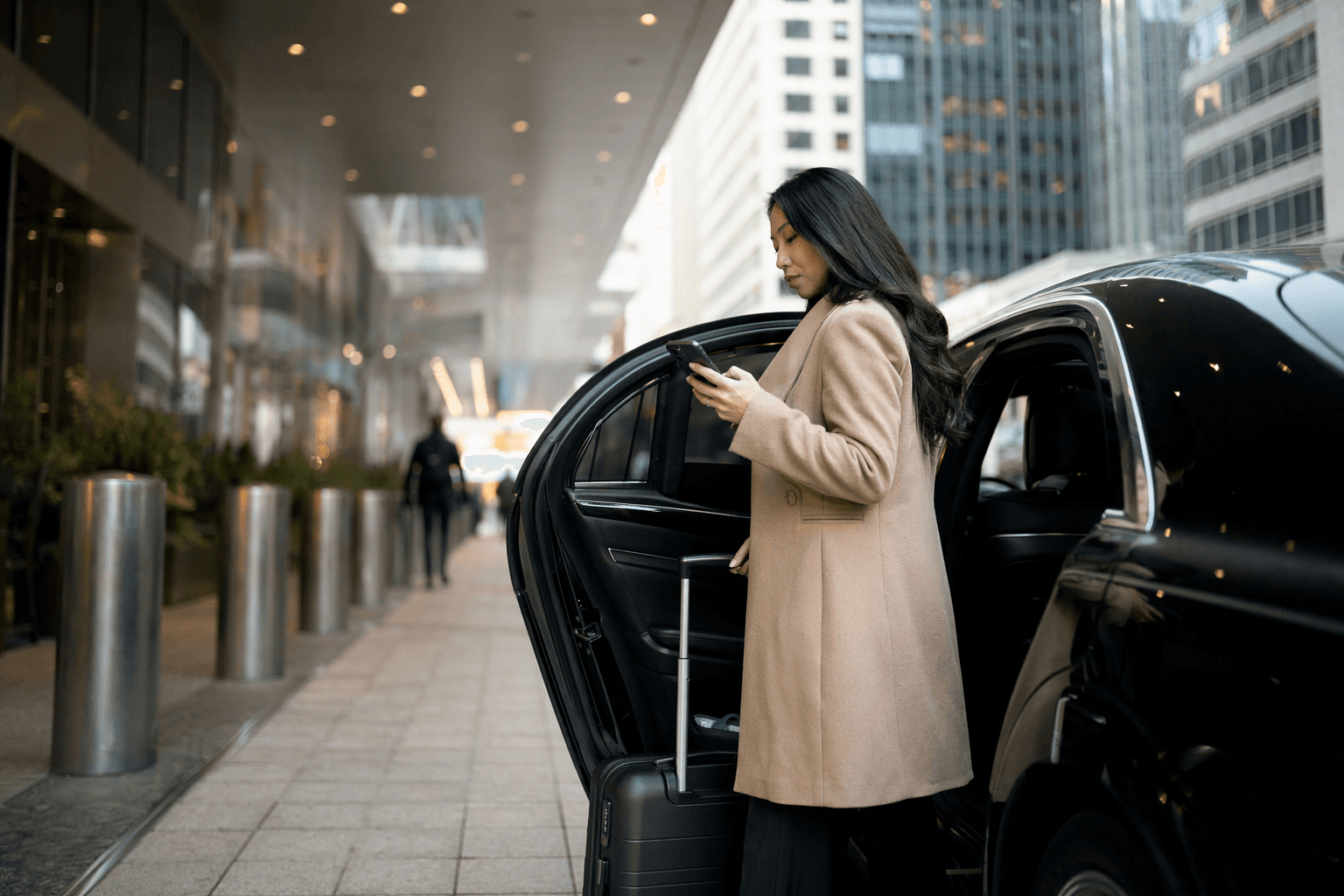
The new Travel Mode is designed to keep users inside Uber as they move from airport to hotel to dinner. It includes airport guidance, local recommendations, OpenTable-powered reservations and delivery of forgotten essentials to hotel rooms. For Uber, the point is not just convenience. It is a bid to make the app the default layer for more of everyday life, from getting around town to planning where to stay and eat.

The sharper story, though, is labor. Dara Khosrowshahi has been increasingly public about AI’s potential to replace large shares of work and reshape Uber’s own business model, including the work done by drivers. That makes the company’s travel expansion part of a larger bet: if software can book the room, suggest the restaurant, and eventually handle more of the dispatch and decision-making, Uber can capture more of the trip while relying less on people to stitch the experience together.
The autonomy push points in the same direction. Uber’s partnership with Joby Aviation is aimed at air taxis, with Joby expecting first passengers in Dubai later in 2026. Separately, Uber and NVIDIA said they plan a global fleet of software-driven autonomous vehicles, starting in Los Angeles and San Francisco in the first half of 2027 and scaling to 28 cities worldwide by 2028. That timeline leaves years between the promise and large-scale deployment, but it also shows where Uber expects its next growth to come from.
For riders, the upside is a more seamless travel stack inside one app. For workers, the implications are harder: more automation in booking, more automation in transportation, and a company leadership openly describing AI as a force that could change how the business operates. Uber’s latest product push makes clear that the company is no longer selling only a ride. It is selling a future in which travel, logistics and labor all run through software.
This article was produced by Prism’s automated news system from verified source data, official records, and press releases, then run through automated quality and moderation checks before publishing. The system is built and supervised by the people who set the standards it runs under. Read our full AI policy.
Did this article answer your question?