Ubuntu AI Features Spark Opt-In Debate, Users Seek Disable Option
Ubuntu users want AI they can turn off, but Canonical says the new features will arrive as removable Snaps, with opt-in setup and local inference by default.

Ubuntu users who value the distro’s stripped-down, open-source roots are pushing Canonical for one thing above all else: a way to keep AI out entirely. Some want a version of Ubuntu that does not include the new features, while others say they would stay on older releases or move to another flavor if AI becomes too deeply embedded.
Canonical has now drawn a line around how the change will arrive. Jon Seager, Canonical’s vice president of engineering, said the company will not add a global kill switch, but will ship the AI capabilities as Snaps layered on top of the existing Ubuntu stack. That means users who want to disable the features should be able to remove the relevant Snaps instead of ripping out core parts of the operating system.
Seager also said the first rollout will be narrow. The AI-backed tools will debut as a strictly opt-in preview in Ubuntu 26.10, not as a default feature. A later release will add an initial-setup choice so users can enable or disable AI-native features the first time they boot the system. Ubuntu 26.04 LTS, he said, will not ship any of the AI features at all.

Canonical is trying to shape the debate around control as much as capability. By default, the company said Ubuntu will use local inference against local models. Cloud-based inference will require explicit user configuration, plus an API token or other credential. Canonical also said it prefers open-weight models and open-source harnesses for the work, and Seager said engineers are not being forced onto a single internal AI stack. Instead, they are being encouraged to test different approaches and be measured on delivery, not on AI usage.
The push arrives against the backdrop of an already busy Ubuntu development cycle. The Ubuntu Desktop roadmap posted on November 26, 2025, showed Ubuntu 26.04 LTS focused on stability, refinement, GNOME 50, new default applications, Wayland performance, fingerprint improvements, better snap integration, PipeWire packaging work, and automation of Canonical-maintained Snaps. That makes AI one more layer in a release cycle already packed with core desktop changes.
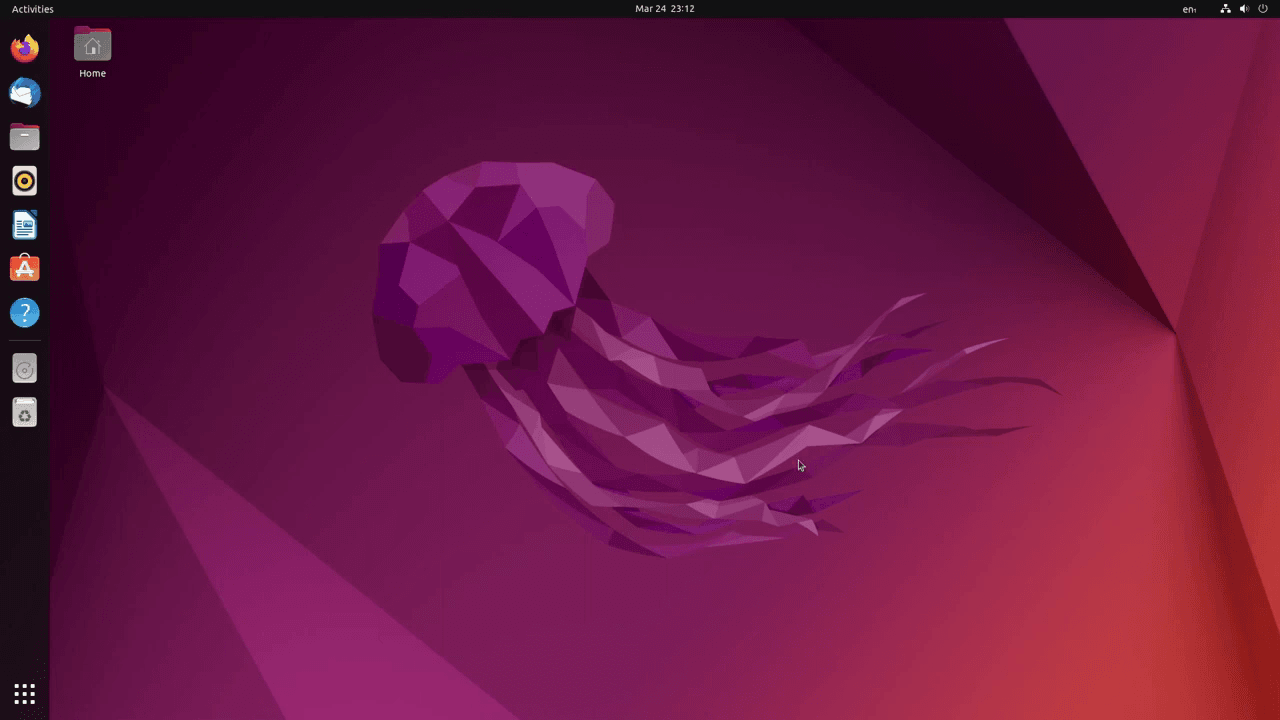
It is also not the first time the community has bristled at the idea. Ubuntu discussions dating back to 2024 raised the prospect of an AI chat integrated into Ubuntu Desktop, and some users said then that they would distro-hop to flavors like Kubuntu or Lubuntu if that happened. Canonical’s broader AI work, from inference Snaps to AI-focused tutorials, suggests the company is moving steadily toward a more AI-native desktop, even as the open-source community keeps asking how much of that future should be optional.
This article was produced by Prism’s automated news system from verified source data, official records, and press releases, then run through automated quality and moderation checks before publishing. The system is built and supervised by the people who set the standards it runs under. Read our full AI policy.
Did this article answer your question?