Google Photos will turn your wardrobe into a virtual closet
Google turned Clueless into a closet app: Photos will sort clothes from your camera roll, but the convenience depends on how much wardrobe data people will share.

Google Photos is betting that Cher Horowitz’s fantasy closet can become an everyday tool. The company said on Wednesday, April 29, 2026, that it will use AI to turn photos of clothes in a user’s Google Photos library into a digital wardrobe, complete with outfit suggestions and virtual try-ons.
The feature will recognize clothing and accessories in saved images, then organize them into a closet that can be filtered by category, including tops, bottoms, jewelry, shoes and more. Users will be able to mix and match items, save looks to mood boards, and share outfit ideas with friends. Google said the tools are meant for planning around travel, events, date nights and work. The rollout will begin on Android later this summer, with iOS to follow.
The pitch is unmistakably built around utility, but it also leans hard on nostalgia. Google’s framing echoes the 1995 film Clueless, where Cher Horowitz scrolls through a computerized wardrobe while deciding what to wear. Google had already treated that scene as a north star for virtual try-on in its 2023 explainer, saying earlier methods often produced unrealistic clothing images and that newer diffusion-based systems were designed to render garments more convincingly. The new Google Photos feature pushes that idea one step further by making the cataloging itself automatic.
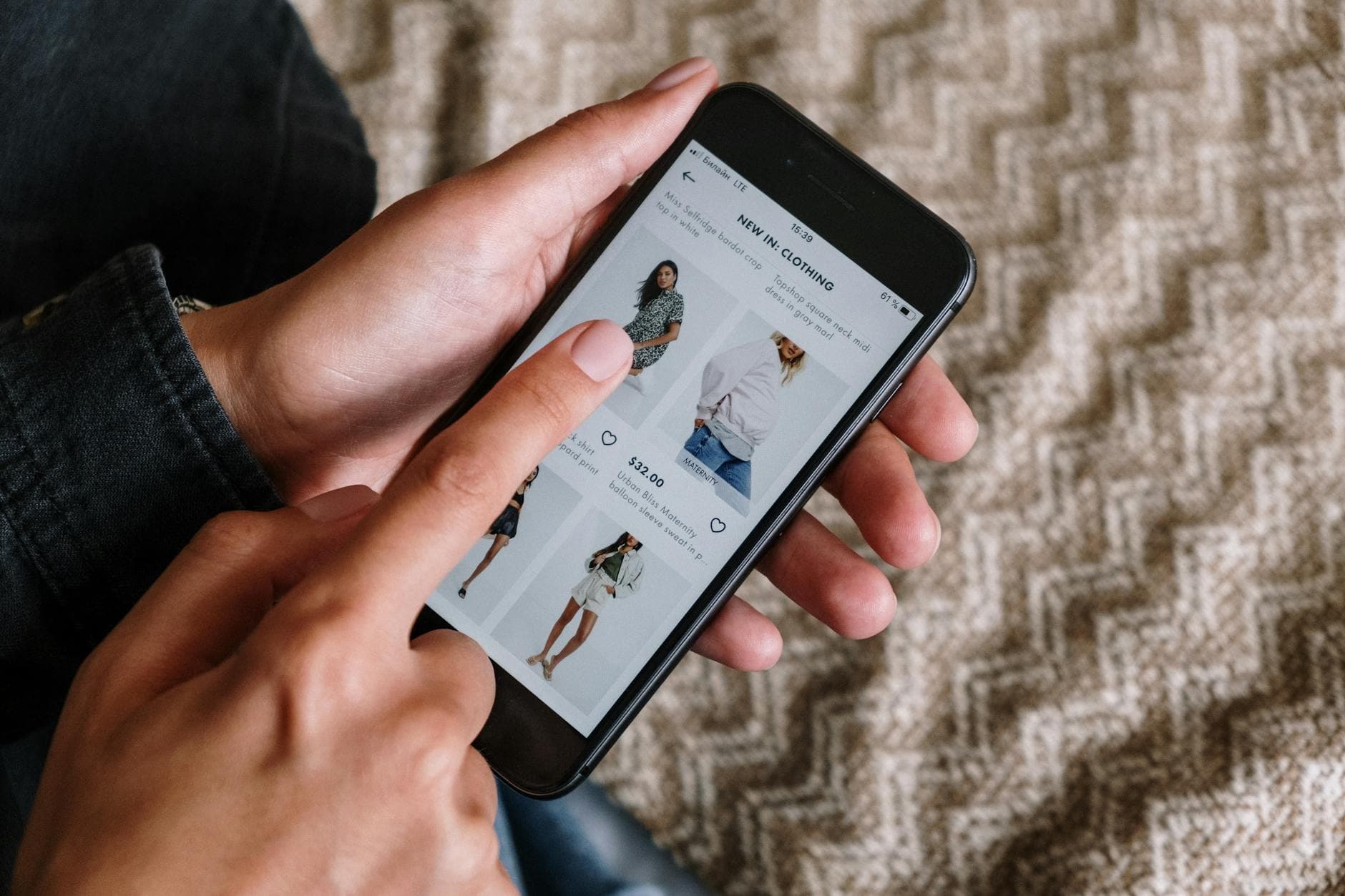
It also extends a broader retail strategy that Google has spent the past year sharpening. In May 2025, Google introduced an AI Mode shopping experience and a virtual try-on tool tied to users’ own photos. At the time, Google said its Shopping Graph contained more than 50 billion product listings and that more than 2 billion of those listings were refreshed every hour. A month later, Google Labs launched Doppl, an app in the United States that lets people try on outfits on a digital version of themselves on both iOS and Android.
That scale matters because Google’s fashion pitch depends on more than novelty. The company is asking people to hand over the visual history of their closets, then trust its software to identify, sort and recombine those possessions into style suggestions. For some users, that will feel like a practical upgrade over manual closet apps. For others, it will look like another reminder that the easiest way to automate taste is to collect more personal data. Google is selling the fantasy of an effortless closet, but the real test will be whether shoppers see it as a time-saver or as one more gimmick that knows too much.
This article was produced by Prism’s automated news system from verified source data, official records, and press releases, then run through automated quality and moderation checks before publishing. The system is built and supervised by the people who set the standards it runs under. Read our full AI policy.
Did this article answer your question?