Ueda Signals BOJ Caution, Traders Cut Bets on April Rate Hike
Ueda cooled talk of an April hike, sending traders to just a 10% chance as oil shocks and a weaker yen complicated Japan’s next move.
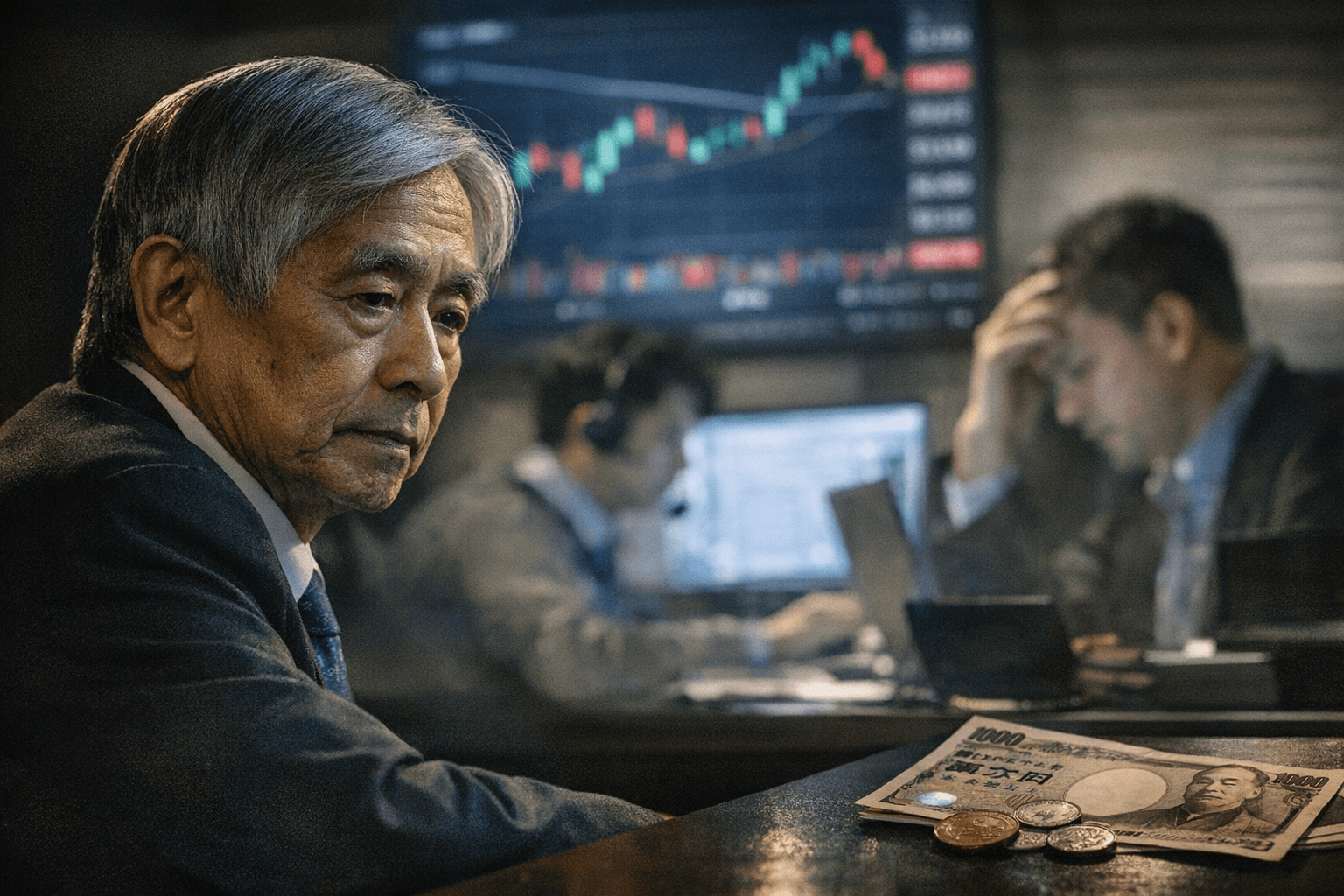
Bank of Japan Governor Kazuo Ueda used a Washington appearance to dampen expectations for an imminent rate increase, and traders quickly pulled back bets on an April move. The shift mattered well beyond Tokyo: changes in Japanese rate expectations can move the yen, influence global bond yields and ripple into U.S. stocks and import prices.
Ueda said Japan’s real interest rates remained low and the financial environment was still accommodative, signaling that the central bank was not rushing to tighten again. He framed Japan’s inflation as closer to a negative supply shock than an overheating demand cycle, a distinction that makes policy less effective against the price pressure. He also said policymakers must weigh strong corporate profits and government stimulus against the drag from higher oil prices.
That caution came after the Bank of Japan’s benchmark rate was raised to 0.75% in December 2025, the highest level in 30 years, following the end of a decade-long stimulus program in 2024. The gap between market pricing and Ueda’s tone was stark. Earlier in the month, traders had assigned roughly a 70% chance of an April hike, but that fell sharply after his remarks, leaving only about a 10% probability for the April 27-28 policy meeting. The next scheduled meeting is June 15-16, and that has become the more realistic decision point.
The backdrop is an energy shock that has complicated central bank math from Washington to Tokyo. On April 13, the International Monetary Fund, World Bank Group and International Energy Agency said the Middle East war’s impact on energy markets is substantial, global and highly asymmetric. They said shipping through the Strait of Hormuz had still not normalized and warned that oil, gas and fertilizer prices could remain elevated for a prolonged period. Reuters also reported that the yen had weakened about 2% against the U.S. dollar since the war began, adding pressure on Japanese officials who worry that a softer currency can import more inflation.
The debate now is less about direction than timing. In a Reuters poll conducted April 7-14, 65% of economists, 46 of 71, expected the BOJ policy rate to reach 1.00% by end-June; among those who specified timing, 38% chose April and 35% chose June. The IMF said in February that Japan’s economy was growing above potential, domestic demand was robust, unemployment was low and inflation had stayed above the BOJ’s 2% target for three and a half years. It also said 2025 inflation had been stronger than expected, helped by soaring rice prices, while real wages continued to contract.
Krishna Srinivasan of the IMF said Japan should gradually raise rates and keep fiscal stimulus targeted. For a hike to return to the table, markets would need evidence that the energy shock is easing while wage growth, domestic demand and corporate profits continue to support inflation on a path toward the IMF’s view that prices converge to 2% by 2027. Until then, June looks more likely than April, and every shift in oil and the yen will keep global rate watchers focused on Tokyo.
This article was produced by Prism’s automated news system from verified source data, official records, and press releases, then run through automated quality and moderation checks before publishing. The system is built and supervised by the people who set the standards it runs under. Read our full AI policy.
Did this article answer your question?

