Used EVs Under $25,000 Gain Traction as Credit Boosts Demand
Used EVs under $25,000 now offer real value, not just cheap pricing, because federal credits, better supply and stronger range make the right cars far more usable.
Why the sub-$25,000 bracket matters
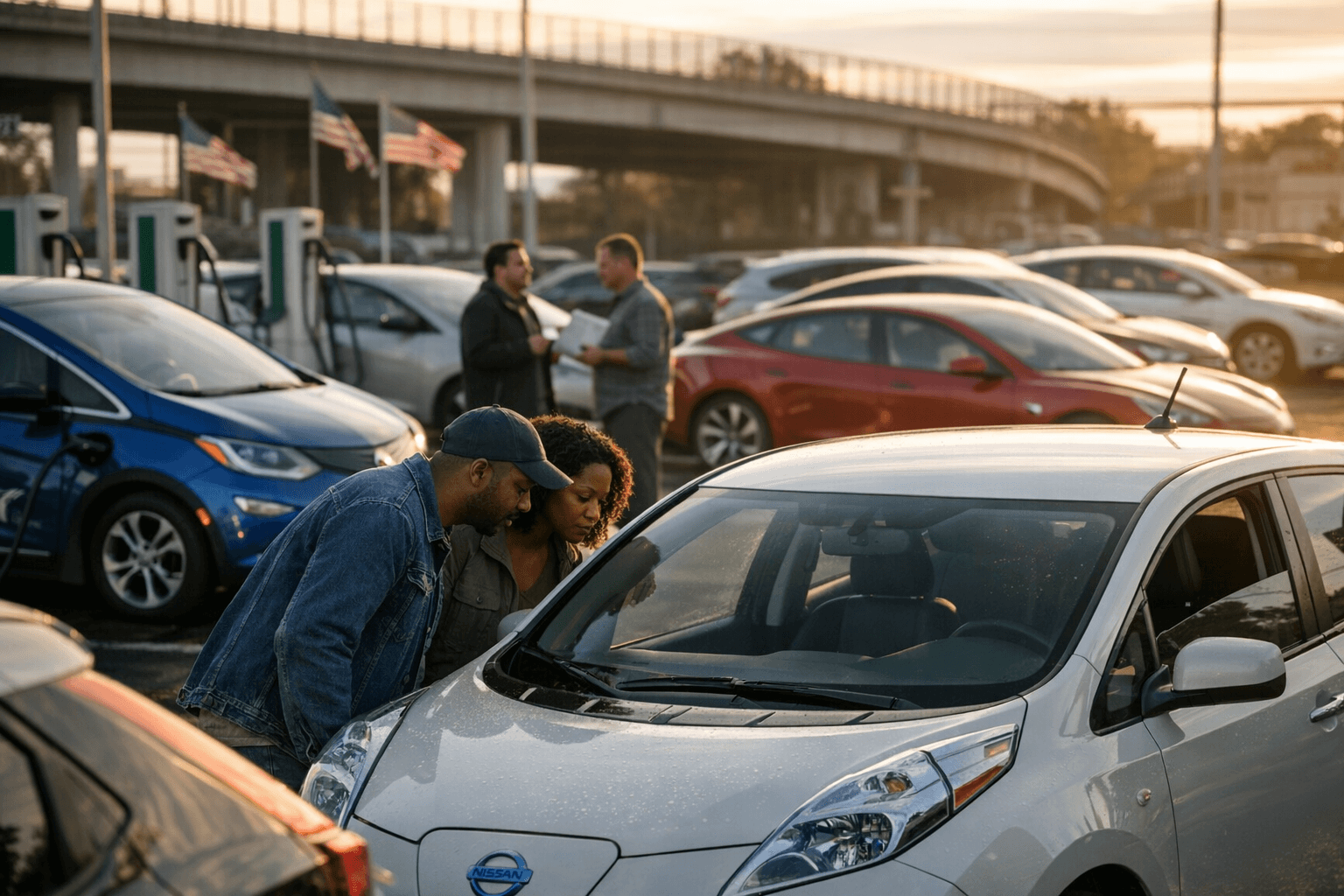
The used EV market has moved from bargain-bin experiment to a legitimate shopping lane. A buyer looking around $20,000 to $25,000 is no longer choosing only from tired, high-mileage outliers; there is now enough inventory, range and model variety for that price band to function as a true sweet spot.
That shift matters because the sticker price is only part of the story. In the right case, a used EV bought from a dealer for $25,000 or less could qualify for a federal used clean vehicle tax credit of up to $4,000, which immediately changes the effective cost of ownership. The result is a market where a car priced at $24,900 can feel materially different from one priced just above the cutoff.
How the federal credit changes the math
The federal used clean vehicle credit applied to qualifying purchases made from January 1, 2023, through September 30, 2025. To qualify, the vehicle generally had to be at least two model years old, meet income limits, and be purchased from a dealer rather than a private seller. The Internal Revenue Service says the qualifying vehicle must come from a dealer to be eligible for the credit, which makes the sales channel as important as the badge on the hood.
That dealer requirement is one of the most important guardrails in the market. A private-party deal may look cheaper on paper, but once the credit is removed, the total economic advantage can shrink quickly. For shoppers comparing multiple cars, the real question is not simply whether the asking price is under $25,000, but whether the purchase structure preserves the full value of the credit.
Supply is deep enough to shop, not just settle
This market is not being driven by a handful of listing spikes. Recurrent said that as of May 2025, more than 20,000 electric vehicles were listed for sale under $25,000, which is enough volume to create a meaningful shopping category rather than a narrow corner of the market. Edmunds also pointed to active price bands around $15,000, $20,000 and $30,000, showing that used EV pricing has settled into clear brackets buyers can actually shop against.
That matters for utility. More listings mean more chances to compare range, trim level, battery size and equipment without stretching the budget. For families, commuters and second-car buyers, the sub-$25,000 segment now offers a larger chance of finding a car that fits a real daily routine instead of a compromise vehicle bought only because it is inexpensive.
The market backdrop: prices fell hard, then started to steady
The broader used EV market went through a sharp reset. Cox Automotive said used EV prices fell significantly through 2024 and early 2025, driven by Tesla price cuts, rising lease-return supply and higher interest rates. Cox also said the used EV value index fell 28% from its July 2022 peak, a reminder that this segment has already absorbed a major repricing.
By late 2025, the market looked steadier. Cox Automotive said used EV wholesale values outperformed the overall market in 2025, and its EV index was up 2.5% year over year in December 2025. At the same time, used EV days’ supply increased, though it remained below ICE levels, suggesting inventory loosened without fully normalizing. For shoppers, that combination points to a market that is better supplied than before, but not flooded with distressed inventory.
Why mileage matters less than it does on gas cars
A high odometer reading is not automatically a deal breaker in an electric car. Recurrent noted that many EVs in this price range have higher mileage, but mileage is not everything for an EV. Battery condition, charging history, remaining range and how the car was used can matter more than the number on the dashboard.
That is where the ownership-value calculation becomes more nuanced. A well-kept EV with solid battery health and enough range for your daily driving may be a better purchase than a lower-mileage car with a weak battery or limited charging speed. The best deals are the ones where the lower purchase price does not come with a hidden usability penalty.
What to check before you buy
The best sub-$25,000 EV is not simply the cheapest one on the lot. It is the one that fits your charging access, driving pattern and budget after incentives, insurance and expected wear are included. A car that qualifies for the tax credit but forces frequent public charging may cost less to buy and more to live with.
Before committing, focus on a few practical filters:
- Confirm whether the car is being sold by a dealer, since the federal credit depends on that structure.
- Check the model year and income eligibility requirements, because the credit only applied to vehicles meeting those rules.
- Evaluate battery health and real-world range, not just listed mileage.
- Match the vehicle to your charging access at home, at work or along your commute.
- Compare insurance quotes before buying, since EV premiums can vary by model and repair costs.
Those details can separate a genuinely sensible purchase from a headline-grabbing bargain. A low sticker price can be misleading if the car is expensive to insure, inconvenient to charge or too degraded to cover your normal miles without anxiety.
Who this sweet spot works for
The sub-$25,000 used EV market works best for buyers who can take advantage of the federal credit structure, have reliable access to charging and want a car that does more than just minimize monthly payments. It is especially appealing for commuters, urban drivers and households adding a second vehicle, where range requirements are moderate and the savings from the credit can be captured cleanly.
It is less attractive for buyers who depend on irregular long-distance travel, lack predictable charging access or are shopping strictly through private sellers. For those buyers, the headline price may still look good, but the true ownership value can fall apart once tax credit eligibility, battery condition and insurance are folded into the calculation.
The big picture is straightforward: used EVs under $25,000 are no longer a novelty. With broader inventory, better price discovery and a federal incentive that can knock up to $4,000 off a qualifying purchase, the segment has become one of the few places in the auto market where affordability and practicality can genuinely overlap.
This article was produced by Prism’s automated news system from verified source data, official records, and press releases, then run through automated quality and moderation checks before publishing. The system is built and supervised by the people who set the standards it runs under. Read our full AI policy.
Did this article answer your question?

