Uganda media group negotiates reopening after military shuts outlets
Soldiers still held Nation Media Group Uganda’s offices as the company negotiated reopening, three days after Muhoozi Kainerugaba ordered the shutdown.

Soldiers were still posted outside Nation Media Group Uganda’s offices in Namuwongo on Tuesday, three days after the company’s outlets were shut down and staff were blocked from entering. The media group said it was in talks with Uganda’s military to reopen the sites, but its managing director in Uganda said employees still could not access the premises.
The closure has hit six outlets tied to the Kenya-headquartered company, including Daily Monitor, NTV Uganda, Spark TV, KFM, Dembe FM and The East African. Reporting from Daily Monitor said the operation began around 1:00 a.m. on Sunday, June 28, after late-night posts on X by Gen. Muhoozi Kainerugaba announcing that NTV Uganda and Daily Monitor were being shut down.
Kainerugaba, who is also President Yoweri Museveni’s son, said he had the power to shut down any media house and that he did not believe in a free press. He did not give a specific reason for the raids at the time. Uganda’s information minister later said the disruption followed a security-led inquiry ordered by Museveni and involving the army, criminal investigators, police, other agencies and experts.
The security operation has drawn sharp criticism from press-freedom groups and rights advocates who see the shutdown as a test of how much power Uganda’s military can exert over independent media outside normal civilian legal channels. The Committee to Protect Journalists called on Ugandan authorities to remove security forces from the privately owned Nation Media Group Uganda premises and allow the company to operate freely. Amnesty International said the closures were part of a broader campaign of intimidation against independent media and civil society.
The dispute also has political weight far beyond the company’s offices. Daily Monitor was launched as a weekly newspaper in 1992 and became a daily in 1996, giving the closure symbolic force inside Uganda’s media landscape. Nation Media Group’s Uganda footprint includes print and broadcast outlets that were pushed off the airwaves and out of circulation, with the shutdown affecting reporting from Kampala to audiences across East Africa.
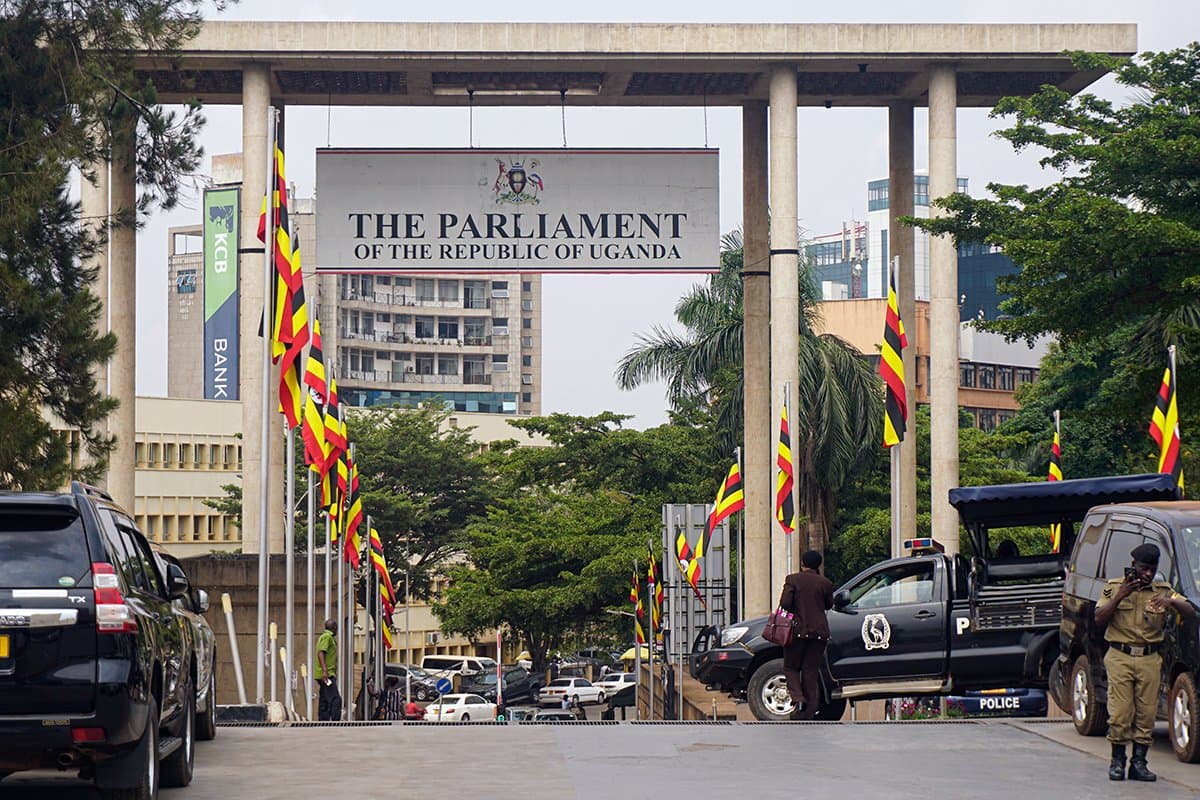
The case lands in an already strained media environment. Reporters Without Borders says journalists in Uganda are regularly targeted by security services, especially during election periods, and the country ranked 131st out of 180 in the 2026 World Press Freedom Index, an improvement from 143rd in 2025 but still deep in the bottom tier. The African Commission on Human and Peoples’ Rights had warned in January 2026 about escalating restrictions on expression, media freedom and internet access ahead of the 15 January general elections.
The reopening talks may end the immediate occupation, but the terms of any deal are likely to matter as much as the outcome. If the outlets are allowed back only after a military shutdown ordered from the top, the episode will read less like a normal regulatory dispute than a warning to every newsroom operating under Uganda’s watchful security apparatus.
This article was produced by Prism’s automated news system from verified source data, official records, and press releases, then run through automated quality and moderation checks before publishing. The system is built and supervised by the people who set the standards it runs under. Read our full AI policy.
Did this article answer your question?