UK Aid Cuts Add to US Reductions, Leaving Some Nations Fearing the Worst
UK aid cuts, the steepest of any G7 nation, combine with US reductions to threaten catastrophic losses for Somalia, Afghanistan, and Yemen.

The United Kingdom's decision to slash its foreign aid budget to 0.3% of gross national income by 2027/28 landed in March as the steepest single cut among G7 nations, and for the world's most fragile states, the timing could hardly be worse. The reductions arrive as the United States has already curtailed its own overseas assistance substantially, and analysts warn that the combined withdrawal of the two historically dominant donors is creating a funding void that no other country appears positioned to fill.
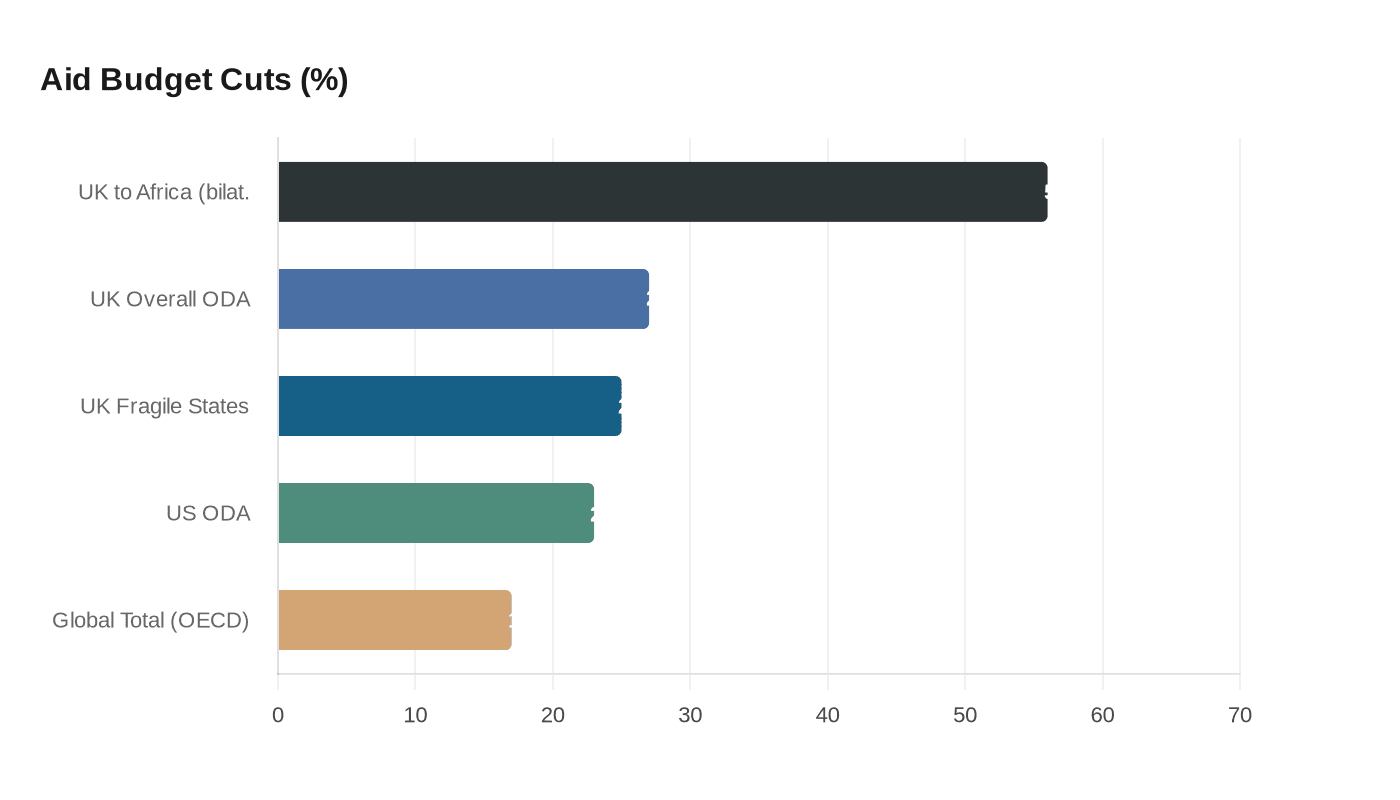
Foreign Secretary Yvette Cooper set out the Foreign, Commonwealth and Development Office's official development assistance allocations for 2026/27 through 2028/29 on March 19, confirming what development organizations had feared: the FCDO's programme ODA budget will fall from £9.3 billion in 2024 to £6.2 billion by 2027, a reduction of roughly one-third. Bilateral aid to African nations alone will drop by nearly £900 million by 2028/29, a 56% reduction. "Allocating a reduced budget inevitably leads to hard choices and unavoidable tradeoffs," Cooper said. "So we're focusing aid on the people and places that need it most."
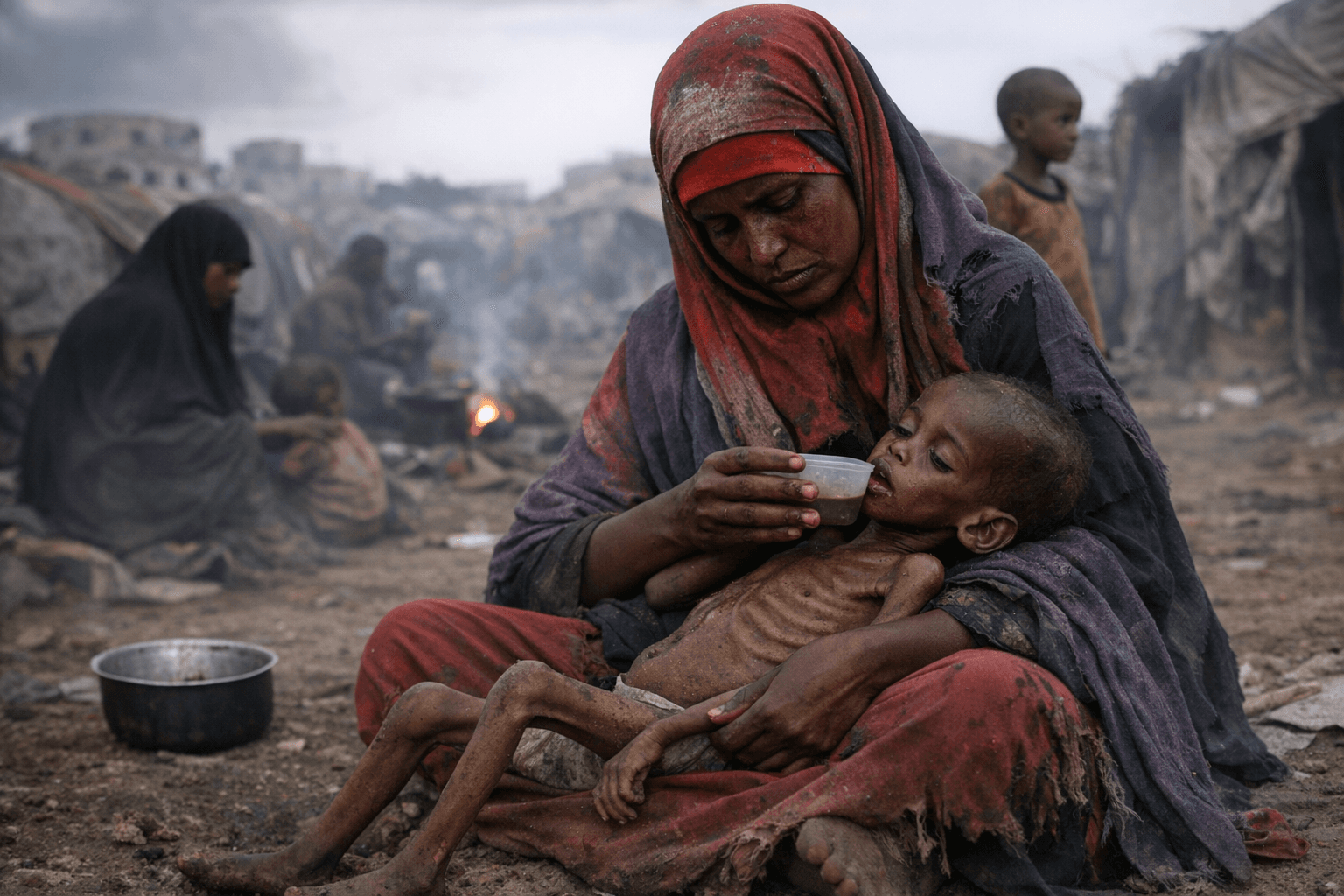
The government shielded four countries from cuts entirely, ring-fencing £495 million for Ukraine, Sudan, Palestine, and Lebanon. But Afghanistan, Yemen, and Somalia, all identified on the International Rescue Committee's 2026 Watchlist as among the world's most at-risk nations, face reduced bilateral funding. Mozambique and Pakistan could see near-total withdrawal of direct British development aid. Flora Alexander, the IRC's UK Executive Director, said the consequences would be tangible: "These cuts will no doubt have a devastating impact on issues like child malnutrition and child health in Somalia, where food insecurity is always a risk."
Even the fragile and conflict-affected states prioritized in Cooper's framework face a net cut of around 25%, according to the International Development Committee. IDC Chair Sarah Champion offered a blunt assessment: "There will be no winners from unrelenting UK aid cuts, just different degrees of losers."
The compounding effect with US reductions sharpens the concern. The UK is cutting its ODA budget by roughly 27% in 2026/27 relative to 2024/25 levels, while US cuts run approximately 23% lower over the same comparison window, making British reductions proportionately larger. A study published in The Lancet in February projected that global aid cuts across all donors could result in at least 9.4 million additional deaths by 2030. The OECD, meanwhile, projected a 17% fall in total global aid from 2024 levels.
Romilly Greenhill, chief executive of Bond, the UK network for NGOs representing more than 350 civil society organizations, said the cuts had "irreparably damaged the UK's reputation on the global stage." Under current development projections, 60% of the world's extremely poor could be living in fragile and conflict-affected states by 2030, precisely the environments where donor withdrawal carries its heaviest consequences. The UK has not spent as little as 0.3% of GNI on overseas aid since 1999, and with the US also pulling back, the space for other donors to absorb the shortfall is narrowing faster than any single country has committed to match.
This article was produced by Prism’s automated news system from verified source data, official records, and press releases, then run through automated quality and moderation checks before publishing. The system is built and supervised by the people who set the standards it runs under. Read our full AI policy.
Did this article answer your question?