UK and France agree £660 million plan to curb Channel crossings
Britain and France backed a £660 million plan with tied payments, but 41,000 small-boat crossings in 2025 showed the Channel route still outpaced enforcement.
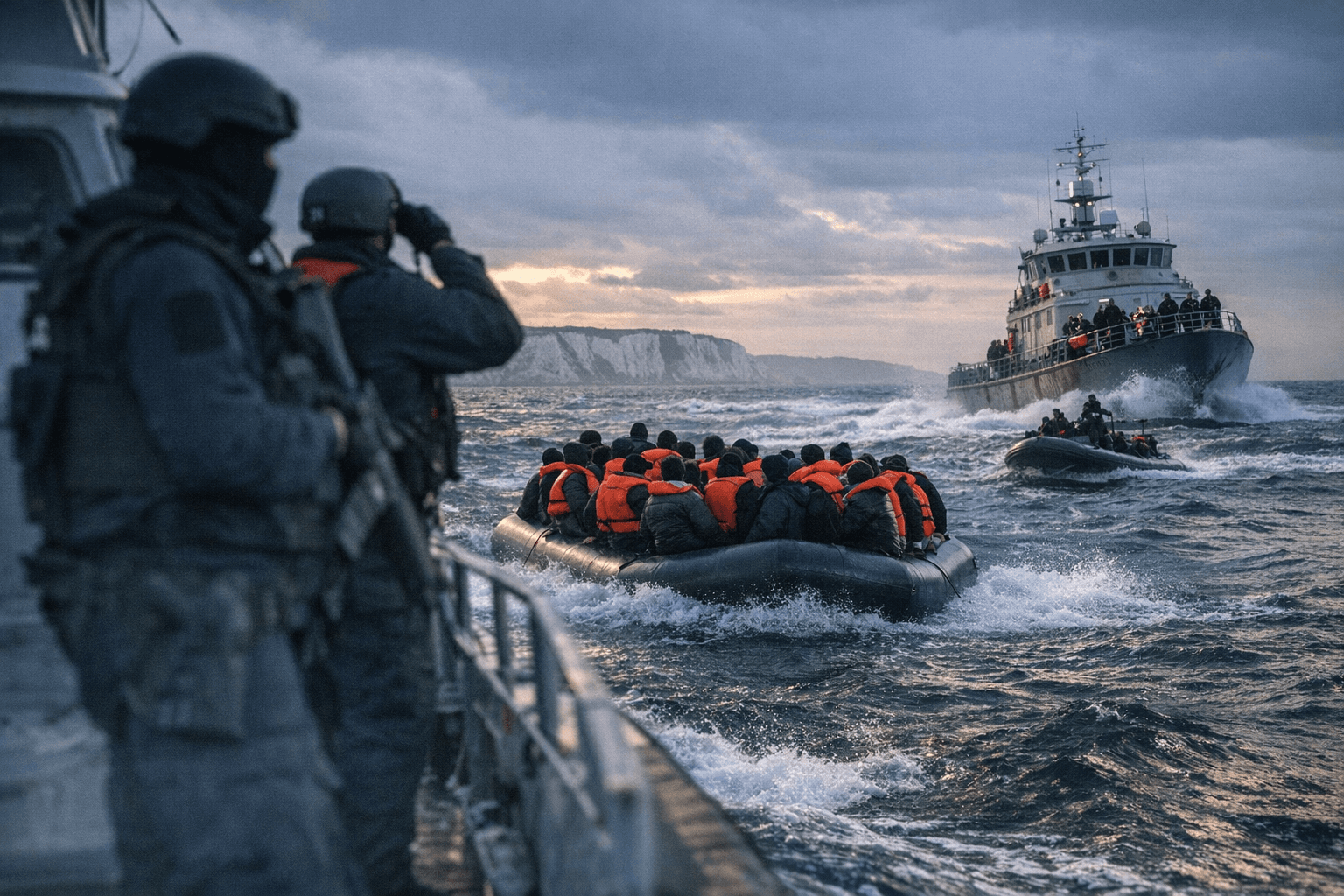
Britain and France agreed a new three-year border-security deal that couples a major funding surge with a sharper test of results, in a sign that years of crackdowns have not broken the Channel route.
Under the plan, France will increase coastal policing by more than 50% to about 1,400 officers by 2029, while the United Kingdom will provide up to £660 million, or €766 million, with some payments linked to measurable reductions in crossings. The package is expected to bring more helicopters, drones, a new camera surveillance system, expanded intelligence and judicial teams, a 50-strong riot police unit, a new vessel and more maritime officers to intercept boats at sea.
The agreement extends and expands earlier UK-France cooperation, including the Sandhurst-style arrangements, and for the first time explicitly ties part of Britain’s money to France’s performance. Officials also plan to review the funding after one year, with some support potentially withheld if crossings do not fall. That makes the deal more conditional than past bilateral pledges, but also more exposed to the same problem that has dogged every previous crackdown: people keep coming.
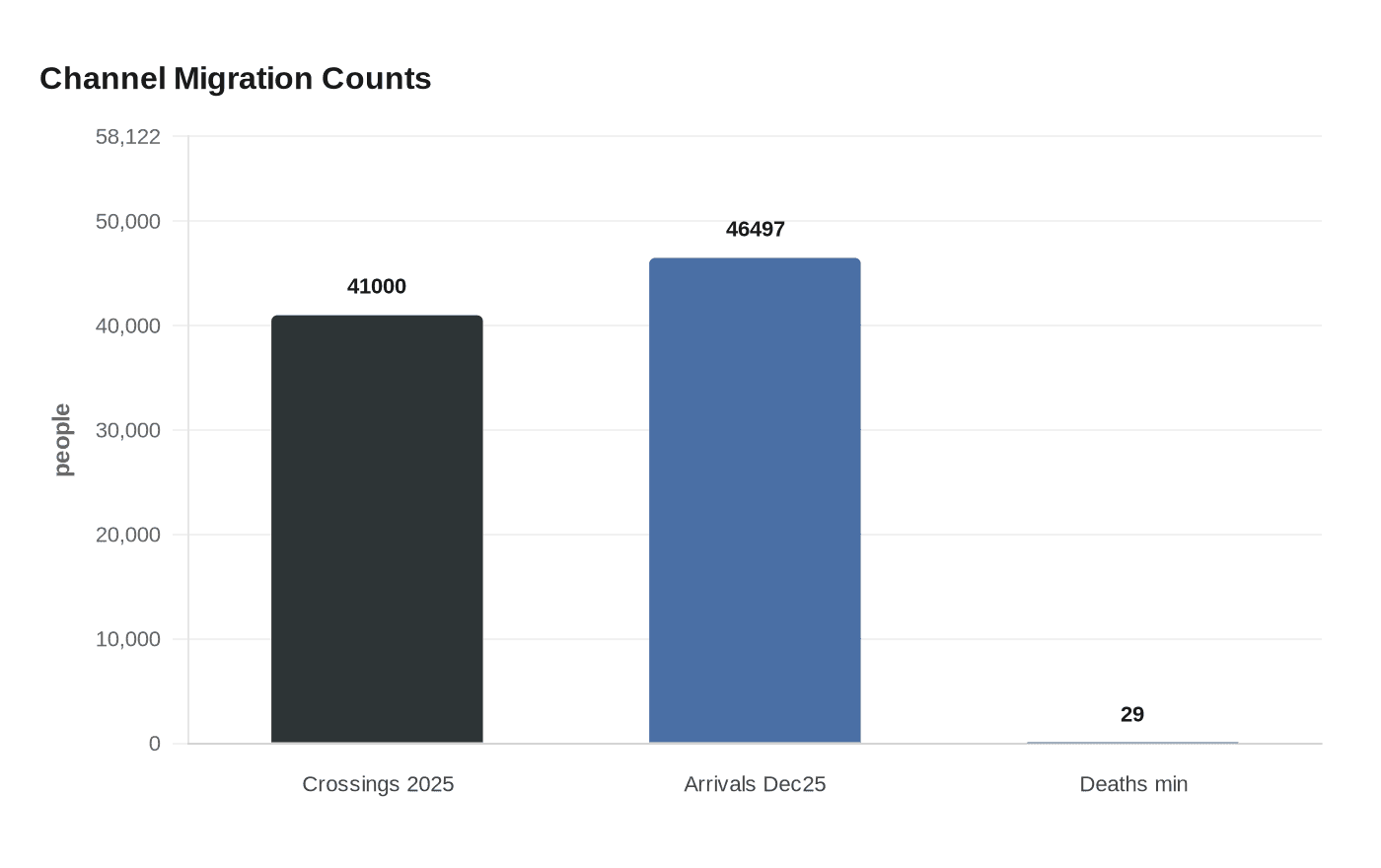
Around 41,000 people crossed the Channel in small boats in 2025, near the record set in 2022. Home Office figures for the year ending December 2025 recorded 46,497 detected arrivals via illegal routes, with small boats accounting for 89% of the total. At least 29 migrants died at sea in the Channel last year, a reminder that the route remains both the most visible and the deadliest irregular path into Britain.
The new package follows a July 2025 pilot that proposed returning some small-boat arrivals to France in exchange for allowing an equal number of migrants to enter the United Kingdom through a legal route from France. The latest arrangement goes further by widening the enforcement machinery across northern France, including Calais, Dunkirk, Grande-Synthe and the wider Pas-de-Calais corridor where camps and informal settlements have long acted as staging points.
That history matters. Sangatte and later the Calais “Jungle” became symbols of a border that was repeatedly hardened, cleared and reinforced, only for new crossings to resume. The latest deal may disrupt smugglers and give police more tools, but it also raises the same question that has followed every prior bilateral pledge: whether Europe is tackling the reasons people keep gathering at the coast, or simply investing in a stronger fence at the edge of the English Channel.
This article was produced by Prism’s automated news system from verified source data, official records, and press releases, then run through automated quality and moderation checks before publishing. The system is built and supervised by the people who set the standards it runs under. Read our full AI policy.
Did this article answer your question?


