UK and France Strike Suspected Islamic State Arms Depot Near Palmyra
British and French warplanes struck an underground facility north of Palmyra on the evening of Jan. 3, 2026, in a targeted operation aimed at degrading Islamic State weapons stockpiles. The action underscores continuing Western efforts to prevent an IS resurgence while raising fresh questions about civilian safety, Syrian sovereignty, and the long-term challenge of dismantling entrenched militant infrastructure.
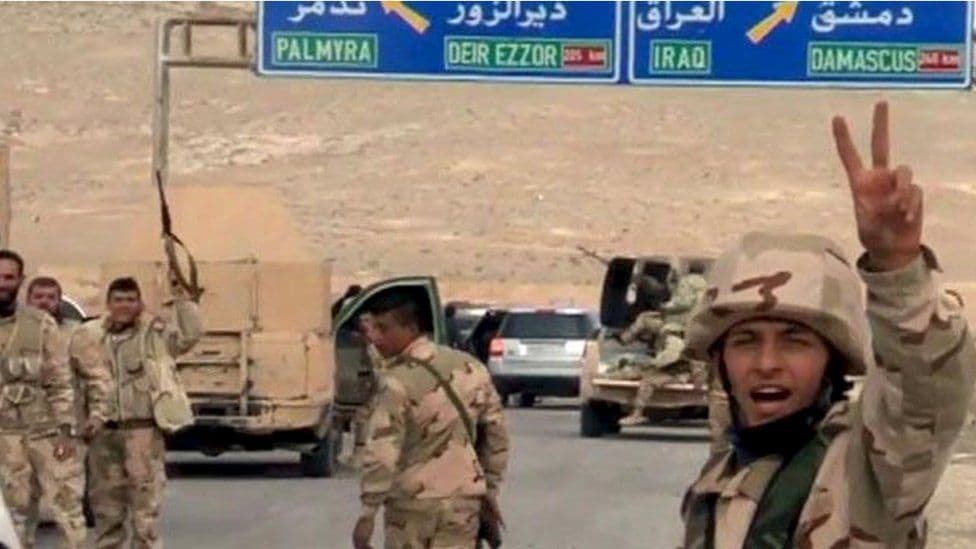
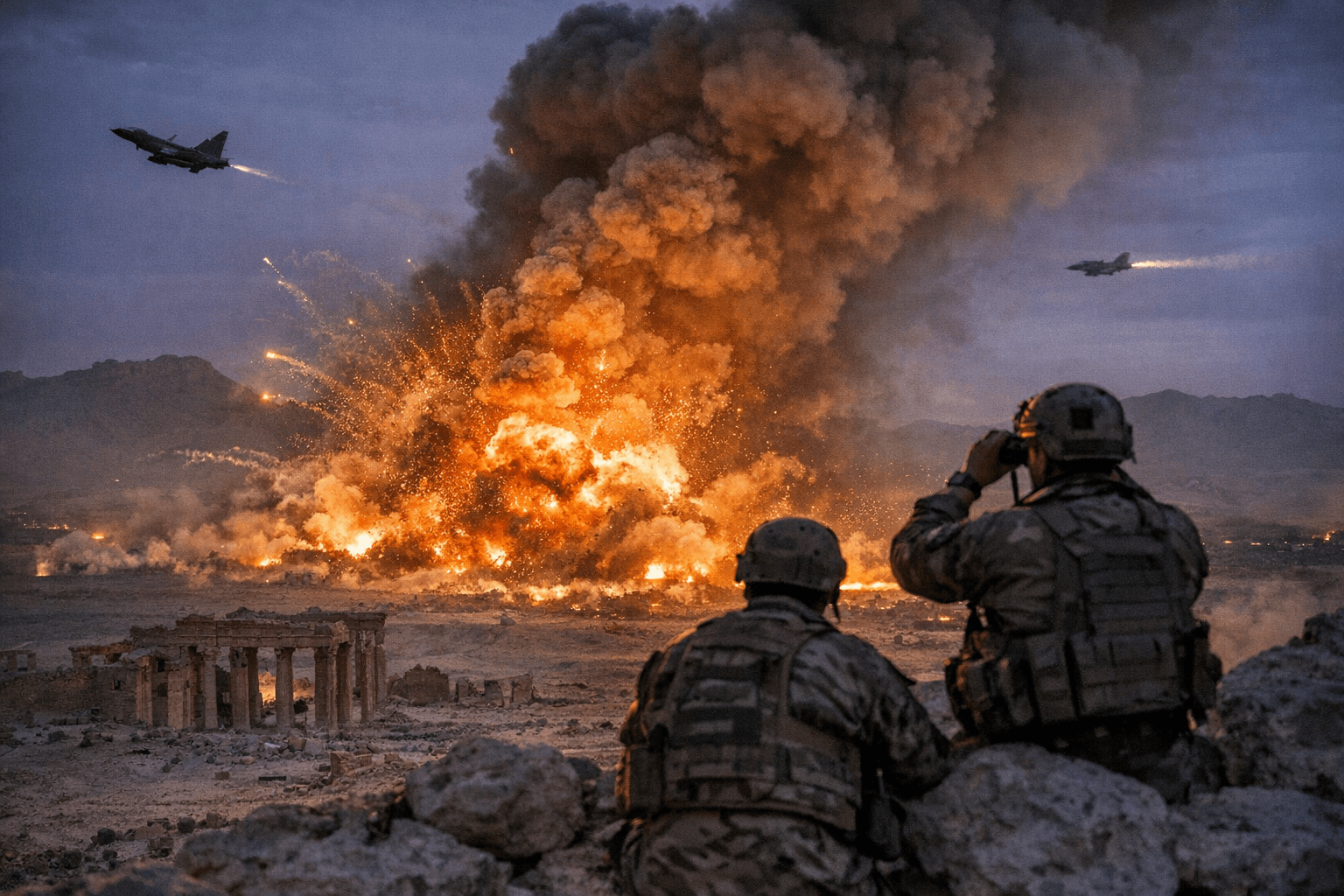
British and French aircraft carried out a coordinated airstrike on an underground structure in central Syria late on Jan. 3, 2026, the United Kingdom’s Ministry of Defence said, targeting what British intelligence assessed to be an Islamic State arms depot in the mountains north of the ancient city of Palmyra in Homs province. The operation involved Royal Air Force Typhoon FGR4 jets, supported by a Voyager refuelling tanker, and French aircraft whose exact types and ordnance were not specified in the British statement.
The MoD said British aircraft used Paveway IV guided bombs “to target a number of access tunnels down to the facility” and that “initial indications are that the target was engaged successfully.” The ministry added that intelligence had confirmed the site “had no civilian presence,” and reported no sign of harm to civilians. All aircraft returned safely to base and a detailed battle damage assessment is under way, officials said.
British Defence Secretary John Healey framed the strike as part of an effort to stop Islamic State from rebuilding its capabilities and spreading its ideology. Healey said, “This action shows our UK leadership, and determination to stand shoulder to shoulder with our allies, to stamp out any resurgence” of IS and its “violent ideologies.” His remarks underscore a policy focus on targeted operations intended to disrupt ammunition and explosives stockpiles rather than restore broader territorial campaigns.
The operation takes place against a backdrop of sustained allied activity around Palmyra and persistent concern about Islamic State remnants across Syria and Iraq. The United Nations has estimated that IS retains some 5,000–7,000 fighters across the two countries. In December, the United States conducted strikes in the same region after an ambush near Palmyra killed two American soldiers and a civilian interpreter, highlighting the continuing volatility of the area.
The strike also highlights the diplomatic and legal complexities of conducting military operations on Syrian soil. There was no immediate comment from Damascus, which only recently joined the anti-IS coalition late last year. Strikes by Western forces in Syria routinely prompt scrutiny over sovereignty, the legal basis for intervention, and the accuracy of intelligence assessments. Officials in London emphasized that the operation was a focused measure to deny militant access to hardened underground stores rather than an escalation of offensive campaign plans.
For local communities and regional actors, the immediate aim is tangible: to prevent the reuse of prepared explosives and munitions that could fuel future attacks. For Western capitals, the strike is a signal of continued resolve alongside allied partners to confront an adaptive insurgency. Yet the success of such missions in degrading IS over the long term will depend on sustained intelligence work, local stabilization efforts, and cooperation among regional powers to remove the sheltering environments that allow subterranean facilities to be built and reused.
This article was produced by Prism’s automated news system from verified source data, official records, and press releases, then run through automated quality and moderation checks before publishing. The system is built and supervised by the people who set the standards it runs under. Read our full AI policy.
Did this article answer your question?


