UK and France urge citizens to leave Mali after deadly attacks
UK and French officials told nationals to flee Mali after coordinated attacks hit Bamako and five other cities. The warnings exposed how fragile state control has become.
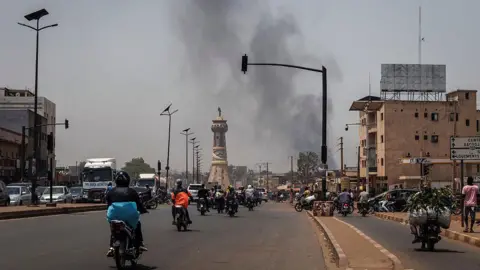
Britain and France urged their citizens to get out of Mali after coordinated attacks that struck Bamako and several other cities, a stark sign of how far the country’s security crisis has spread and how exposed civilians and foreign nationals have become.
The UK Foreign, Commonwealth and Development Office said it advised against all travel to Mali because of unpredictable security conditions. Britons already in the country were told to leave immediately by commercial flight if it was safe to do so, while the government warned against trying to escape by road because terrorist attacks have hit national highways and Jama’at Nusrat al-Islam wal-Muslimin, known as JNIM, has set up blockades on key routes in southern and western Mali, including around Bamako. Those who choose to stay, the FCDO said, do so at their own risk.
France issued a similar warning, urging nationals to leave Mali as soon as possible and describing the situation as extremely volatile. French officials told citizens to use remaining commercial flights after the weekend violence, which briefly shut Bamako International Airport and forced some flights to turn back or be cancelled before the airport reopened with delays still affecting services.
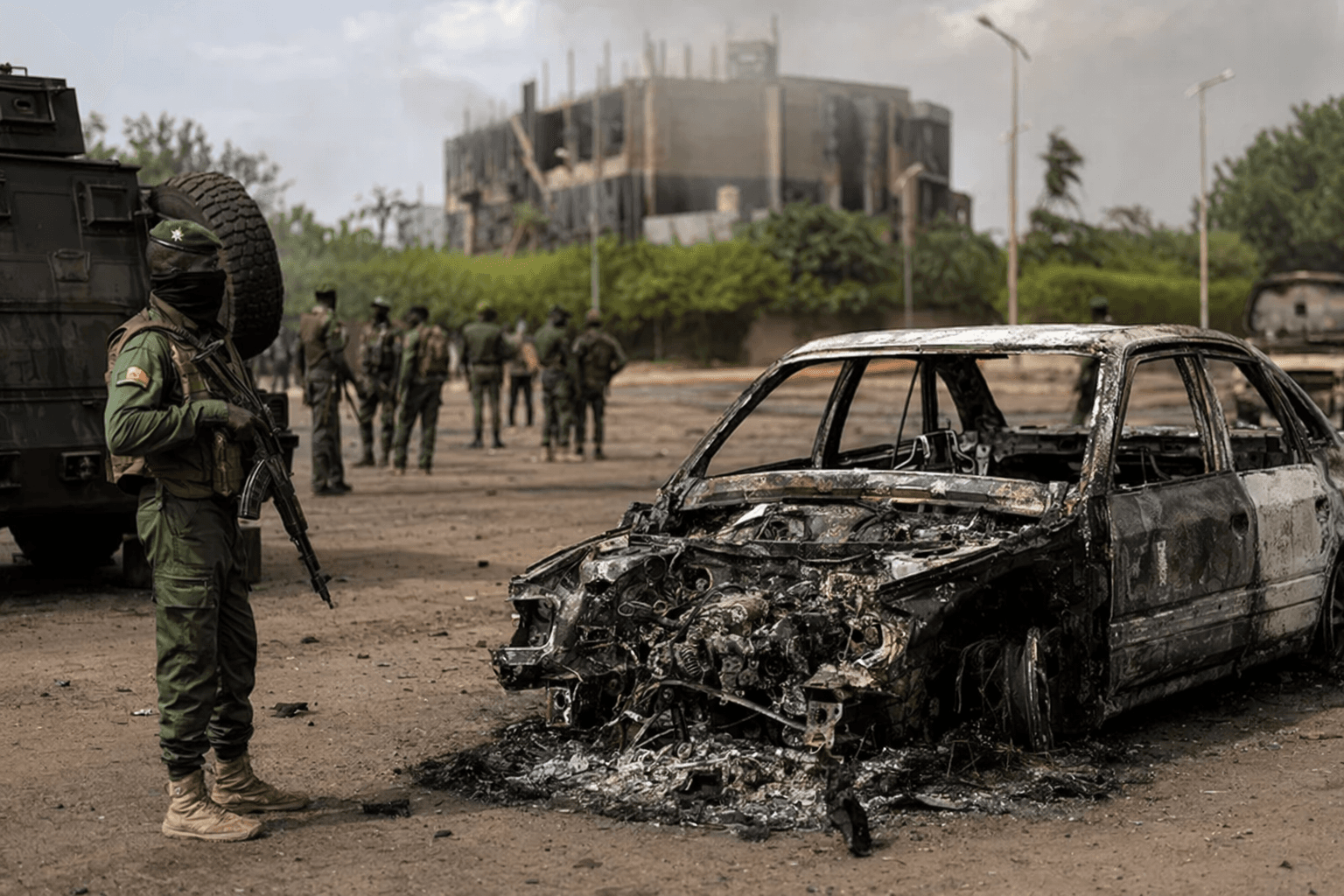
The attacks on 25 April 2026 were among the boldest insurgent operations in years. JNIM and the Azawad Liberation Front, or FLA, both claimed responsibility for coordinated strikes across Mali, hitting sites in or near Bamako as well as Kati, Gao, Mopti, Sevare and Kidal. Mali’s government said 16 people were wounded. The army said it had killed several hundred assailants, and Bamako authorities imposed a three-day overnight curfew after the attacks.
The violence laid bare the limits of the junta’s control. Assimi Goita, Mali’s military ruler, made his first public appearance after the attacks on 28 April, meeting the Russian ambassador before declaring that the situation was under control and vowing to neutralize those responsible. The episode also underlined how little room Western governments now have in the Sahel beyond warning their citizens to leave, as armed groups challenge state authority, threaten major transport routes and bring the capital itself within reach.
This article was produced by Prism’s automated news system from verified source data, official records, and press releases, then run through automated quality and moderation checks before publishing. The system is built and supervised by the people who set the standards it runs under. Read our full AI policy.
Did this article answer your question?


