UK, Baltic States Warn Sailors of Growing GNSS and AIS Disruption
UK and 14 coastal states warn mariners of rising GNSS and AIS disruption tied to the Russian Federation and urge immediate preparedness and terrestrial navigation options.
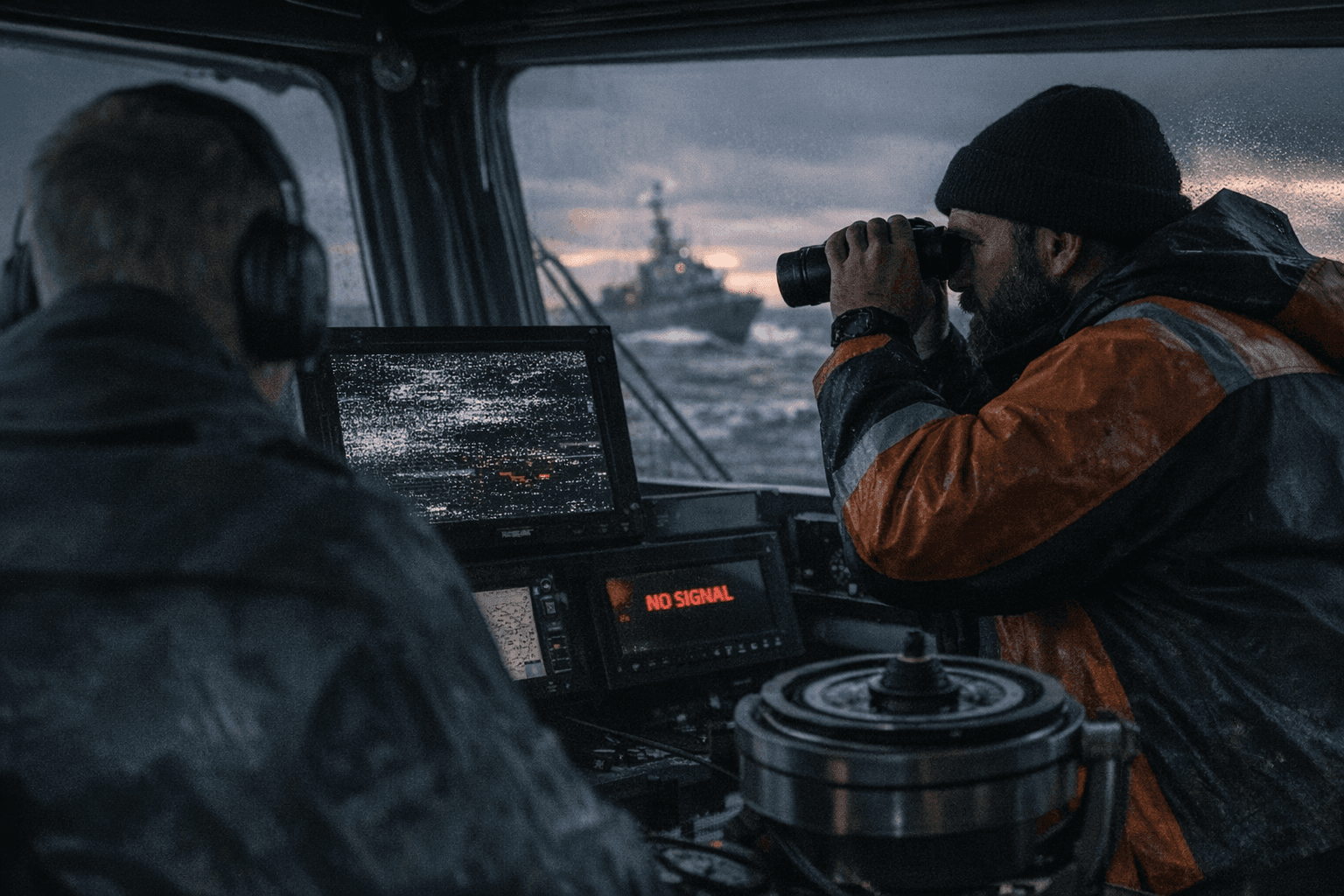
A ministerial open letter published by the UK Department for Transport and co‑signed by Belgium, Denmark, Estonia, Finland, France, Germany, Iceland, Latvia, Lithuania, the Netherlands, Norway, Poland, Sweden and the United Kingdom warns of growing GNSS interference and AIS manipulation in European waters, with particular concentration in the Baltic Sea. The letter states: “We are now facing new emerging safety situations due to growing GNSS interference in European waters, particularly in the Baltic Sea region. These disturbances, originating from the Russian Federation, degrade the safety of international shipping. All vessels are at risk.”
The signatories frame the issue as a safety and security threat that reaches beyond navigation. GNSS signals underpin route plotting and automated systems and provide the precise time synchronization essential to the Global Maritime Distress and Safety System. The letter warns that spoofing or falsifying AIS data “undermines maritime safety and security, increases the risk of accidents, and severely hampers rescue operations,” and stresses that GNSS is not a technical luxury but a critical safety requirement.
Captain Ivana‑Maria Carionni‑Burnett, chair of the RIN Maritime Navigation Group, warned that traditional navigation techniques are no longer sufficient: “The issue of GNSS interference must be taken seriously. It cannot be overcome by traditional navigation techniques when GNSS receivers are baked in to modern ships’ critical systems, including safety systems. These are no longer isolated incidents and pose a real risk to life: people, property and the environment.” Retired Commodore James Taylor added wider infrastructure concern: “The threat is real and growing … not only to positioning and navigation; it is to every part of every transport and navigation means and to every part of national infrastructure where timing is derived from space‑based timing signals.”
The letter calls on flag and port states, national authorities, flag registries, classification societies, shipping companies, managers, operators and seafarers to recognise GNSS interference and AIS manipulation as threats to maritime safety and security. The signatories urge vessel owners and operators to ensure adequate onboard capabilities and properly trained crews to operate during navigation system outages, and to cooperate on development of alternative terrestrial radionavigation systems to be used during GNSS disruption.
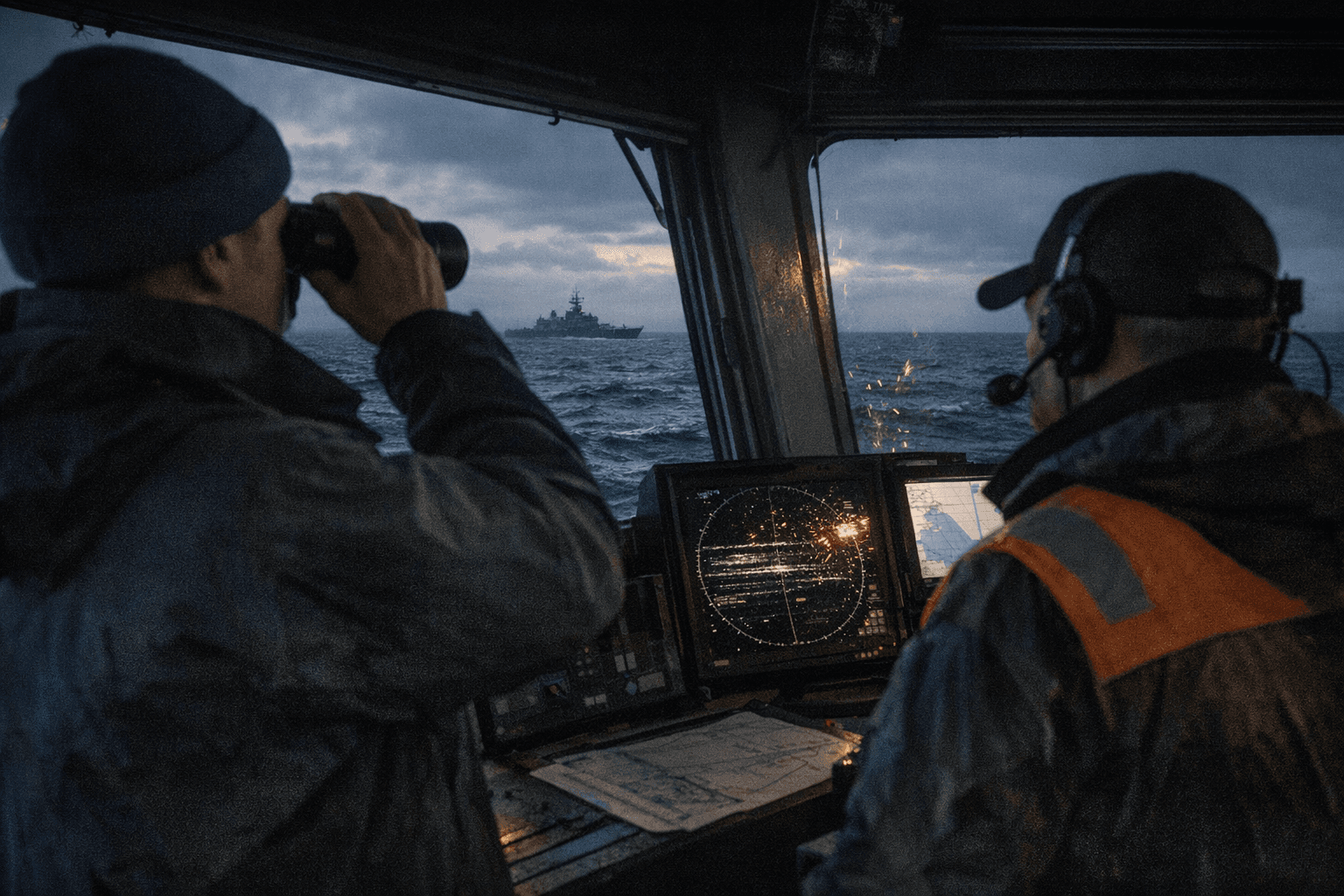
A study by Gdynia Maritime University and GPSPATRON is cited in the letter as recommending an urgent establishment of a comprehensive territorial GNSS interference monitoring network along the Baltic Sea coast. Public reporting of incidents to date does not include incident logs or forensic technical data, so the letter’s attribution that disturbances are “originating from the Russian Federation” stands as the official claim while detailed evidence remains to be published.
Verify your vessel’s contingency procedures, confirm crew training for GNSS outages, and review AIS verification practices. Expect national maritime authorities and industry bodies to pursue monitoring networks and terrestrial redundancy work in the coming weeks as the signatories press for coordinated mitigation and further technical disclosure.
Know something we missed? Have a correction or additional information?
Submit a Tip

