UK Budget Watchdog Probed After Forecasts Leak Ahead of Budget
The Office for Budget Responsibility confirms an inquiry after budget forecasts appeared early on an unadvertised web address, allowing media access roughly 45 minutes before Chancellor Rachel Reeves delivered her statement. The breach disrupted parliamentary procedure and raises fresh questions about the OBR's cybersecurity, governance and the political handling of a £26 billion tax increase.
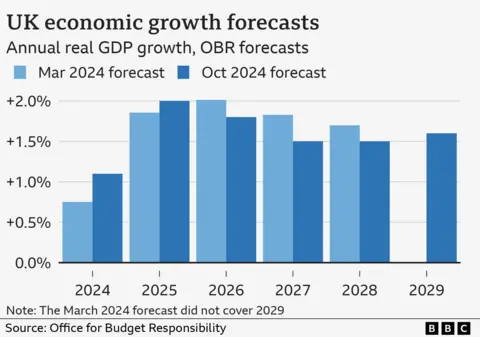
The Office for Budget Responsibility has opened an independent inquiry into how its official budget forecast documents were published early on an unadvertised internet address ahead of Chancellor Rachel Reeves’s budget statement. The OBR said the premature posting allowed media outlets to obtain key forecasts roughly 45 minutes before the Chancellor spoke, a window that senior parliamentary officials say interrupted the carefully choreographed process for presenting fiscal plans to Parliament.
The OBR chair expressed regret at the breach and said an independent inquiry has been launched to examine cybersecurity and procedural safeguards. The inquiry is expected to report soon, the office said. Reuters and other media outlets reported that the leaked document resembled prior OBR url patterns, an observation that has focused attention on routine publication practices as well as technical security lapses.
The timing of the disclosure has significant political consequences. The early release complicated the Treasury’s presentation of a budget that includes measures intended to raise £26 billion in tax receipts, and it provided opposition parties and commentators with an unscheduled opportunity to frame the numbers before the Chancellor had addressed Parliament. Parliamentary clerks and media regulators raised concerns about precedent and about whether the incident could expose the OBR or other officials to legal or disciplinary scrutiny.
The incident has prompted immediate calls for a review of protocols that govern how and when fiscal forecasts are made public. Lawmakers across the political spectrum urged clarity on whether the leak was a cybersecurity failing, a procedural mistake, or a combination of both. Media commentators questioned whether the OBR’s document publication process, which often relies on predictable web patterns to ensure timely public access, needed redesigning to prevent future premature disclosures.
Beyond domestic politics, the episode matters for markets and international observers who monitor the United Kingdom’s fiscal governance. The OBR is regarded as a central pillar in the British fiscal framework, supplying independent analysis that underpins Treasury policy and investor confidence. Any perception that those forecasts can be compromised before the official parliamentary presentation risks eroding trust among investors, credit rating analysts and international partners who rely on orderly and transparent dissemination of fiscal information.
Senior OBR staff are likely to face scrutiny as the inquiry proceeds, with questions expected about whether personnel changes will be required depending on the findings. The independent review will examine technical safeguards, access controls and internal procedures for publishing forecast material, and it may recommend legislative or operational reforms to strengthen the boundary between analysts and political timetables.
For now, the incident underscores the fragility of modern information flows when high stakes fiscal announcements are timed to the parliamentary calendar. As the OBR investigates, Westminster will be watching both for technical explanations and for steps that restore institutional confidence in a body whose judgments shape domestic policy and inform international perceptions of Britain’s fiscal stewardship.
This article was produced by Prism’s automated news system from verified source data, official records, and press releases, then run through automated quality and moderation checks before publishing. The system is built and supervised by the people who set the standards it runs under. Read our full AI policy.
Did this article answer your question?


