UK climate report warns cold mountain areas are also disappearing
UK scientists say the country’s climate has shifted so far that the warmest year on record also came with shrinking cold mountain habitats and 297 marine heatwave days.

Cold mountain areas in the UK are shrinking. The latest State of the UK Climate report puts 2025 as the warmest year in the UK series back to 1884, while the last four years rank among the five warmest on record.
Released on 15 July 2026 in the Royal Meteorological Society’s International Journal of Climatology, the assessment puts the most recent decade, 2016 to 2025, at 1.33C warmer than 1961 to 1990 and 0.51C warmer than 1991 to 2020. UK warming has been running at about 0.25C per decade since the 1980s, with recent warming in the Central England Temperature series exceeding anything seen in at least 300 years.
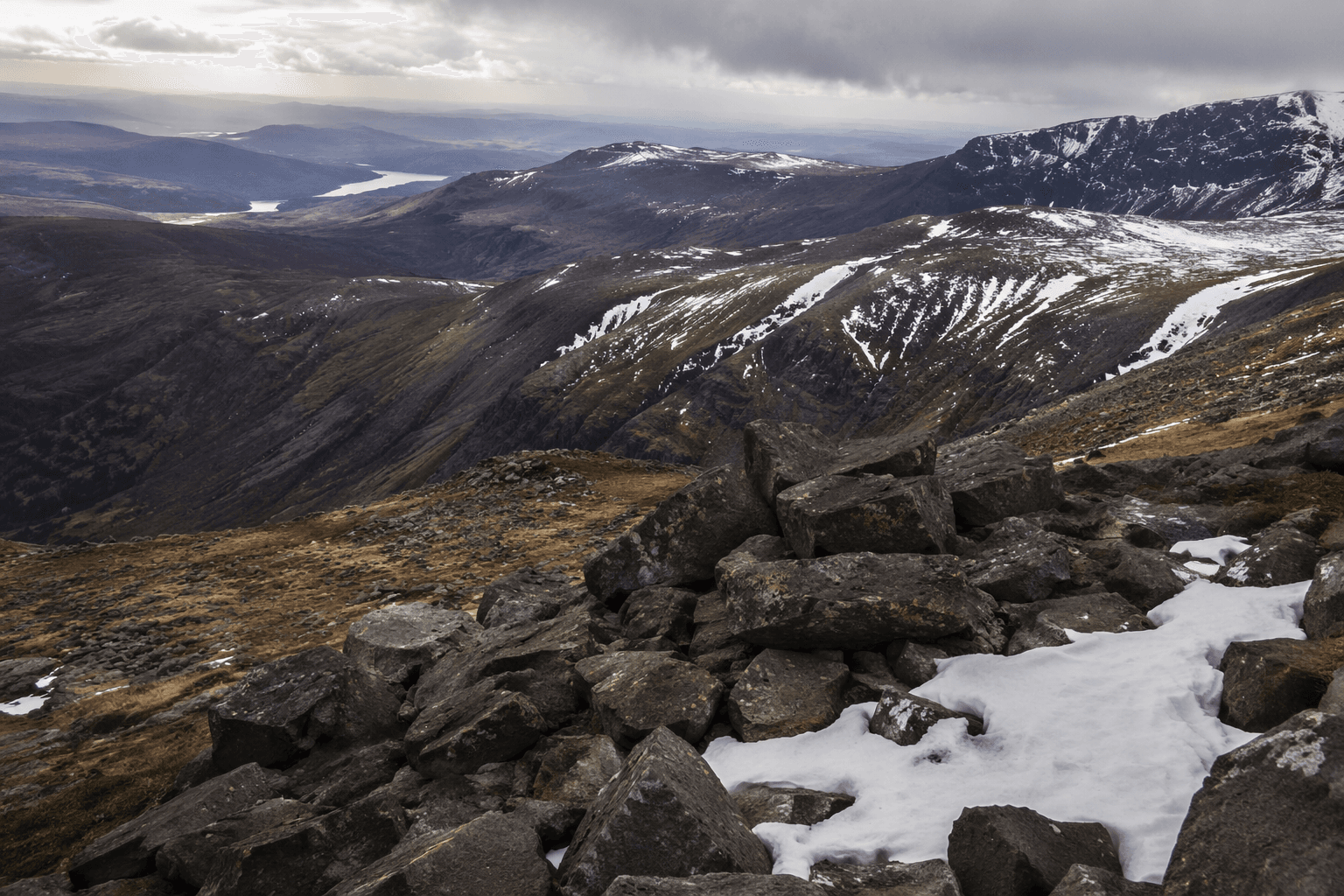
Mike Kendon, the report’s lead author, said 2025 was the UK’s sixth warmest-year record broken in the 21st century so far and that what once looked extreme is now becoming normal. He said the climate of the 20th century has now gone and that the climate is on the move, with warmer conditions shifting into southern and eastern areas while colder climates in the north are shrinking. Parts of northern England are now seeing annual temperatures similar to what London experienced in 1961 to 1990.

In Greater London, the number of days above 30C and nights above 18C more than quadrupled in 2016 to 2025 compared with 1961 to 1990, while the average hottest day of the year warmed by more than 4.5C from Kent to Lincolnshire. England had its driest spring in more than 100 years in 2025, with most of England and Wales getting less than half of the 1991 to 2020 average rainfall and some places less than one third. River flows in England from March to August 2025 were the second lowest in the series from 1961, lower than most major drought summers except 1976.
Northwest European seas and the Northeast Atlantic recorded 297 marine heatwave days in 2025, the most since records began in 1982 and well above the previous high of 178 days in 2023. Sea level around the UK has risen by about 20.1cm since 1901, with around two-thirds of that rise in the last three decades.
This article was produced by Prism’s automated news system from verified source data, official records, and press releases, then run through automated quality and moderation checks before publishing. The system is built and supervised by the people who set the standards it runs under. Read our full AI policy.
Did this article answer your question?