UK considers lowering electric car sales targets amid mandate review
The UK is weighing softer electric car sales targets as automakers warn costs and demand are squeezing the mandate. A looser rule could ease prices now but slow the shift to zero-emission cars.
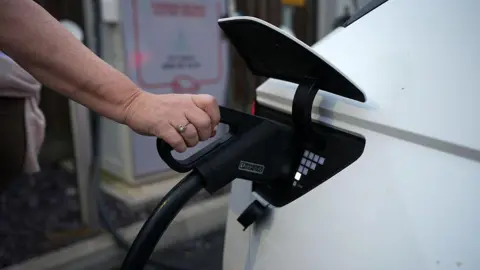
The UK government is weighing whether to ease electric car sales targets, a move that could give carmakers and dealers more room in the short term while pushing climate goals and industrial policy into sharper tension. The current Zero Emission Vehicle mandate requires 22% of new car sales to be zero-emission in 2024, rising to 28% in 2025, with the path set at 80% by 2030 and 100% by 2035.
The mandate sits inside the Vehicle Emissions Trading Schemes framework, and ministers have already shown a willingness to soften the rules. On 7 April 2025, the government said it would make the target easier to meet, cut penalties for missing it, and allow hybrid cars to stay on sale until 2035, while keeping the 2030 ban on new petrol and diesel car sales in place. The government also said the UK sold more than 381,000 electric cars in 2024, more than any country in Europe and the third-highest total globally.

Industry pressure for a further rethink has intensified as manufacturers argue that the market is not moving quickly enough to match the mandate. The Society of Motor Manufacturers and Traders said battery electric car registrations in June 2025 rose 39.1% to 47,354 units, equal to one in four buyers, but still lagged required levels. On 12 June 2026, the group said a mandate review was urgent, arguing that market assumptions had been overtaken by geopolitical and economic reality and that battery costs were 30% higher than expected, while energy costs were 80% higher.

Any weakening of the target would hand immediate relief to automakers trying to avoid fines and to dealers trying to sell a broader mix of models, including hybrids that remain easier to move than pure battery cars. It could also help consumers in the near term if it slows price pressure on entry-level models and preserves more choice in showrooms. But the longer-term cost would fall on Britain’s climate agenda and on the industry itself if slower EV adoption makes the UK less attractive for battery, software and assembly investment.
That risk matters because ministers have framed the transition as an industrial strategy, not just an emissions policy. The UK government says the automotive sector supports hundreds of thousands of jobs and draws billions in investment, and it has promised £2.5 billion through the DRIVE35 programme for vehicle electrification research and capital funding to 2035. If the mandate is loosened too far, Britain may buy time for carmakers, but it could also leave the country trailing rivals that are moving faster on zero-emission manufacturing.
This article was produced by Prism’s automated news system from verified source data, official records, and press releases, then run through automated quality and moderation checks before publishing. The system is built and supervised by the people who set the standards it runs under. Read our full AI policy.
Did this article answer your question?