UK Convenes 35-Nation Summit to Reopen Blocked Strait of Hormuz
Britain hosts a 35-nation emergency summit Thursday to reopen the Hormuz strait without the US, as analysts warn of $200/barrel oil.
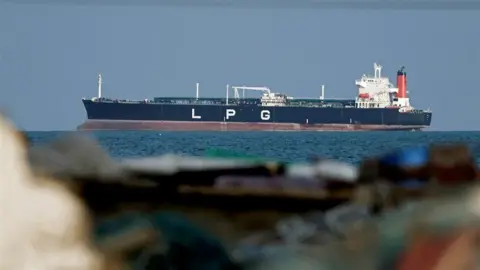
Britain will convene 35 foreign ministers in a virtual emergency session Thursday in an attempt to chart a path toward reopening the Strait of Hormuz, the world's most critical oil chokepoint, which Iran has militarily enforced closed since early March. The United States will not be among the participants.
UK Foreign Secretary Yvette Cooper will chair the April 3 meeting, which Prime Minister Keir Starmer announced Wednesday at a Downing Street press conference. "We will assess all viable diplomatic and political measures we can take to restore freedom of navigation, guarantee the safety of trapped ships and seafarers," Starmer said, adding that reopening the strait "will not be easy."
The crisis traces to February 28, when Iran's Revolutionary Guards began issuing VHF radio transmissions declaring ship passages "not allowed", a response to large-scale US-Israeli military strikes on Iran and the assassination of Supreme Leader Ali Khamenei. By March 4, Iran formally declared the strait closed and began attacking vessels attempting to transit. Tanker traffic collapsed from a 70% reduction to near zero, and more than 150 ships now sit stranded or anchored outside the chokepoint.
The economic consequences have been severe and accelerating. In 2025, roughly 20 million barrels of oil per day passed through the strait, representing approximately 25% of global seaborne oil trade and 20% of global LNG trade, primarily from Qatar. Brent crude surpassed $100 per barrel on March 8, and US government officials and Wall Street analysts are now modelling a scenario in which prices surge to $200 per barrel. Helima Croft, global head of commodity strategy at RBC Capital Markets, has called it "the biggest energy crisis since the oil embargo in the 1970s." Iraq has been forced to shut down production in some of its largest oil fields because it cannot export without strait access.
The disruption extends beyond crude oil. The blockade has severed exports of petrochemicals, fertilisers, and raw plastic manufacturing inputs. More than 30% of globally traded ammonia and nearly 50% of urea now have no clear export pathway, compounding supply-chain fractures rippling through agricultural commodity markets worldwide.
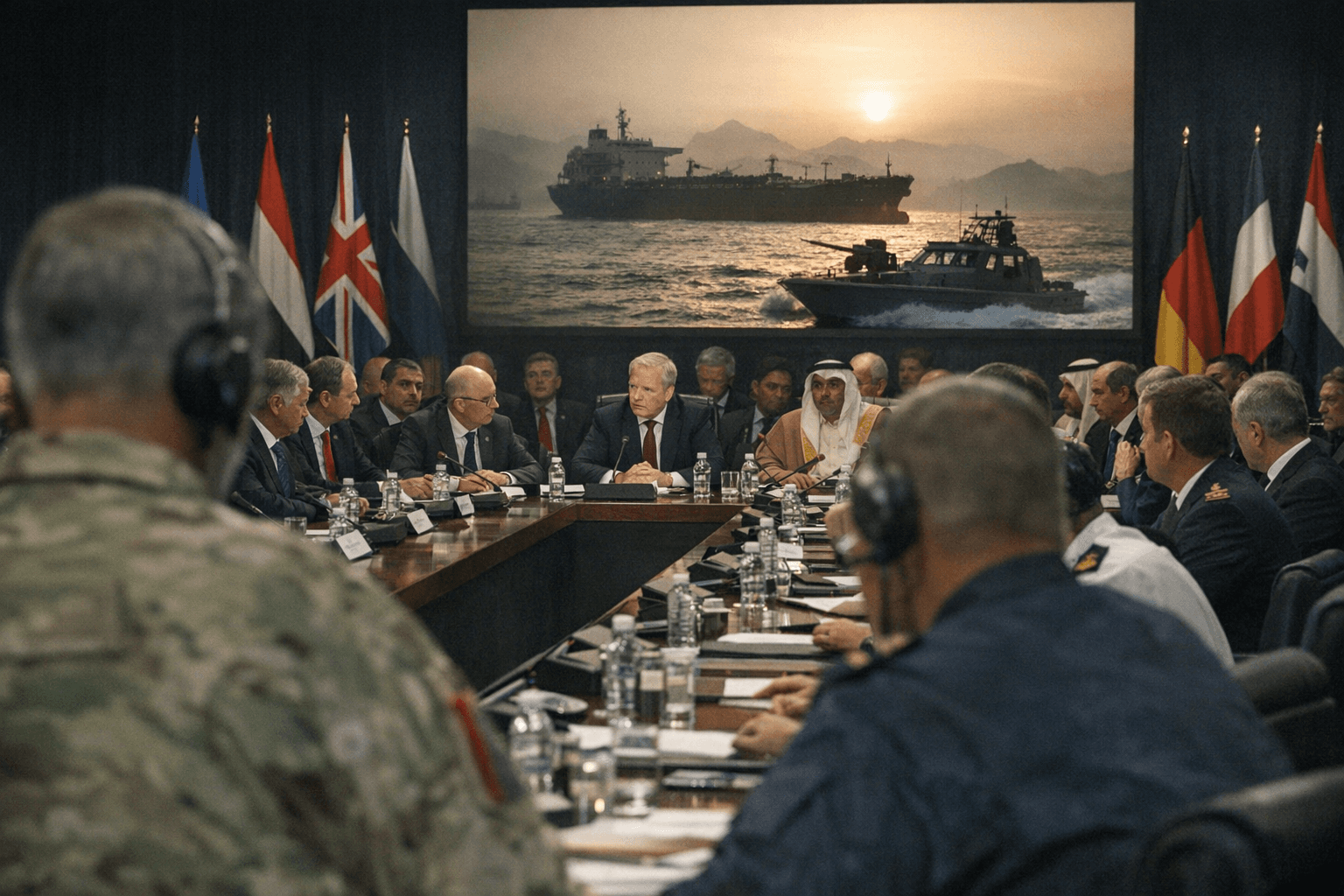
Reopening would require more than a diplomatic declaration. Commercial shipping would need credible security guarantees, phased de-escalation between Iranian forces and the international community, and restoration of war-risk insurance coverage that has been effectively withdrawn from the corridor. UK military planners are set to convene separately after Thursday's foreign ministers' meeting to assess how to "marshal our capabilities" to ensure the strait is accessible once fighting ends, a sequence that underscores the diplomatic track's dependence on conditions that do not yet exist on the water.
Trump told countries not involved in the war to "go get your own oil" on Tuesday, stating Washington would not help reopen the strait. He has also threatened to withdraw Ukraine aid unless European allies join the US-led military effort, a threat NATO Secretary General Mark Rutte reportedly described as Trump being "rather hysterical." Starmer, who has insisted the conflict is "not our war" and that the UK "won't be dragged into it," is now attempting to lead a diplomatic framework without its most powerful traditional partner.
The 35-nation coalition attending Thursday includes France, Germany, Italy, Japan, the Netherlands, Australia, South Korea, Canada, the UAE, Denmark, and Sweden. A joint statement on the strait, first issued March 19 and initially signed by seven nations, has since drawn wider support. Whether Cooper can translate that coalition into anything Tehran's post-Khamenei leadership will negotiate over is the question Thursday's meeting must begin to answer.
This article was produced by Prism’s automated news system from verified source data, official records, and press releases, then run through automated quality and moderation checks before publishing. The system is built and supervised by the people who set the standards it runs under. Read our full AI policy.
Did this article answer your question?


