UK egg prices rise as bird flu pressures and demand grow
Eggs never fully reset after the last supply shock. Bird flu, higher costs and stronger demand kept prices sticky while farm and retail margins moved at different speeds.
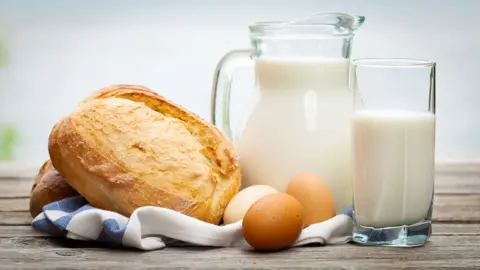
Why eggs became the perfect inflation case study
A six-egg supermarket brand pack that sold for £1 in 2022 still captures the problem now: eggs are a basic staple, but once the supply chain tightens, the price can stay elevated long after the first shock fades. In the UK, bird flu has disrupted output, demand has kept growing, and the gap between what farmers receive and what shoppers pay has made the market a live test of whether food inflation is really easing.
What the official data shows
Defra’s quarterly egg statistics matter because they track production, usage, prices and trade, and they are used by policymakers and industry bodies including the British Egg Industry Council. In the second quarter of 2024, UK production for human consumption reached 249 million dozen eggs, up 6.4% on the same period a year earlier, yet the average farm-gate price still averaged 144p per dozen, 8.6% higher than Q2 2023.
The price did not stop there. In Q3 2024, the average UK farm-gate egg price rose again to 146p per dozen, a 5.4% year-on-year increase. That combination of higher output and higher prices is the key clue: more eggs were being produced, but the market was still not loose enough to force prices back down.
Bird flu keeps rewriting the supply chain
The biggest supply shock has been avian influenza. Defra said all eggs from free-range flocks were relabelled as barn eggs from 21 March to 2 May 2022 because of bird flu restrictions, which shows how quickly disease pressure can change what shoppers actually see on the shelf. This is not just a farm issue. It alters classifications, reduces flexibility and changes the mix of eggs retailers can sell at a premium.
The pattern has repeated. England’s bird housing measures were lifted from 15 May 2025 after risk fell, with a seven-day transition period until 22 May 2025. Then, in November 2025, the government introduced a national housing order in England again because avian influenza cases were escalating. That back-and-forth matters because every housing order can limit free-range production, and free-range eggs dominate the market.
Demand is not standing still
If supply is constrained, the other side of the equation is demand, and demand has been rising. Official Egg Info estimates UK production at 12.5 billion eggs in 2025, while total UK consumption reached 14.5 billion eggs, leaving the country 89% self-sufficient. It also estimates retail egg sales at £2.1bn, with free-range eggs accounting for about 78% of retail sales.
Consumer habits have changed over time too. Industry estimates say retail egg consumption has climbed from 1.6 eggs per person per week in 2004 to 2.4 eggs per person per week in 2025. That is a meaningful shift in a market that can be squeezed by disease and housing restrictions, because even a modest shortfall has to be absorbed by a larger, more established level of consumption.

Why the shelf price and farm price do not move together
This is where shoppers feel the disconnect most sharply. In November 2022, BBC reported that Tesco and other supermarkets rationed eggs amid supply problems, and farmers said supermarket shelf prices had risen by about 45p since March 2022 while they had received only 5p to 10p of that increase. That spread is why questions about profiteering keep coming back.
The evidence does not support a simple answer that every extra penny went straight into producer income. Retailers have publicly denied making excess profits from grocery inflation, while farmers argue that price transmission has been uneven. In practice, the egg chain includes feed, energy, packing, transport, contracts and retailer margins, and each layer can absorb or delay changes in cost. That means a fall in one input does not automatically show up at the checkout, and a rise in one cost can linger even after the original shock has passed.
Which costs are structural, and which deserve scrutiny
Some of the price pressure is structural. Feed and energy are basic inputs, and when they rise, they lift the floor under production costs across the chain. Bird flu then adds a second layer of pressure by forcing housing measures, changing supply patterns and reducing the availability of free-range eggs, which now make up about 78% of retail sales.

The part that deserves scrutiny is the stretch between farm-gate prices and shelf prices. Defra’s figures show average farm-gate prices of 144p per dozen in Q2 2024 and 146p in Q3 2024, but the retail story can move differently because supermarkets set the final sticker and decide how quickly price cuts are passed on. That is why the same market can look “up” to farmers and still feel stubbornly expensive to shoppers. Both can be true at once: real costs are higher, and the retail channel can still preserve wide margins if competition is weak or pricing is slow to adjust.
Why eggs have not gone back down
The short answer is that the market never fully returned to the old balance. Production recovered to 249 million dozen in Q2 2024, but bird flu remained a recurring threat, self-sufficiency was only 89% in 2025, and consumption had climbed to 14.5 billion eggs. That leaves little slack in a market where free-range supply can be disrupted quickly and demand is already strong.
So the question is not just why eggs rose. It is why they stayed high. The answer is a mix of disease pressure, higher feed and energy costs, a market structure that transmits price changes unevenly, and a consumer base that still wants more eggs than it did 20 years ago. Until those forces ease together, eggs are likely to remain a small but stubborn lesson in why food inflation can outlast the headlines.
This article was produced by Prism’s automated news system from verified source data, official records, and press releases, then run through automated quality and moderation checks before publishing. The system is built and supervised by the people who set the standards it runs under. Read our full AI policy.
Did this article answer your question?