UK election surge puts pro-independence parties closer to power in three nations
Plaid Cymru seized Wales, the SNP held Scotland, and Sinn Fein pressed its advantage in Northern Ireland, leaving Westminster facing a more fractured union.

Britain’s latest local and regional votes did not trigger a constitutional break, but they sent a clear warning to Westminster: three of the United Kingdom’s four nations are now being pulled toward parties that want to loosen, redefine or eventually end the union. The results point less to a sudden leap toward secession than to a deepening crisis of political cohesion, as traditional governing parties lose authority across the map.
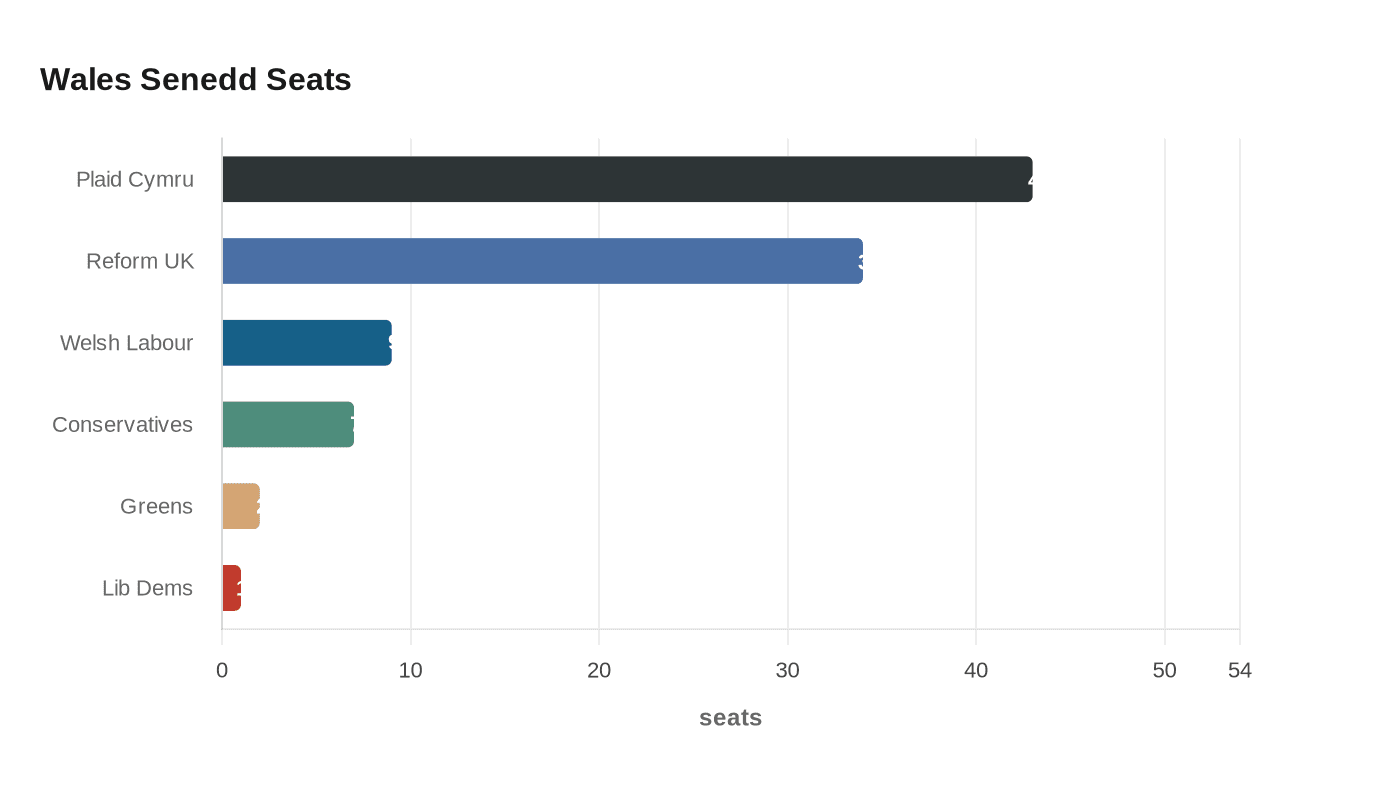
In Wales, Plaid Cymru won 43 of 96 seats and 444,665 votes, becoming the largest party in the Senedd for the first time in its history. The party fell just short of the 49 seats needed for a majority, but it surged past Welsh Labour, which was reduced to nine seats. Reform UK took 34 seats, the Conservatives seven, the Greens two and the Liberal Democrats one, with turnout at 51.6% and 1,255,914 valid votes cast. First Minister Eluned Morgan lost her seat and resigned, underscoring how sharply the ground shifted away from the old governing order.
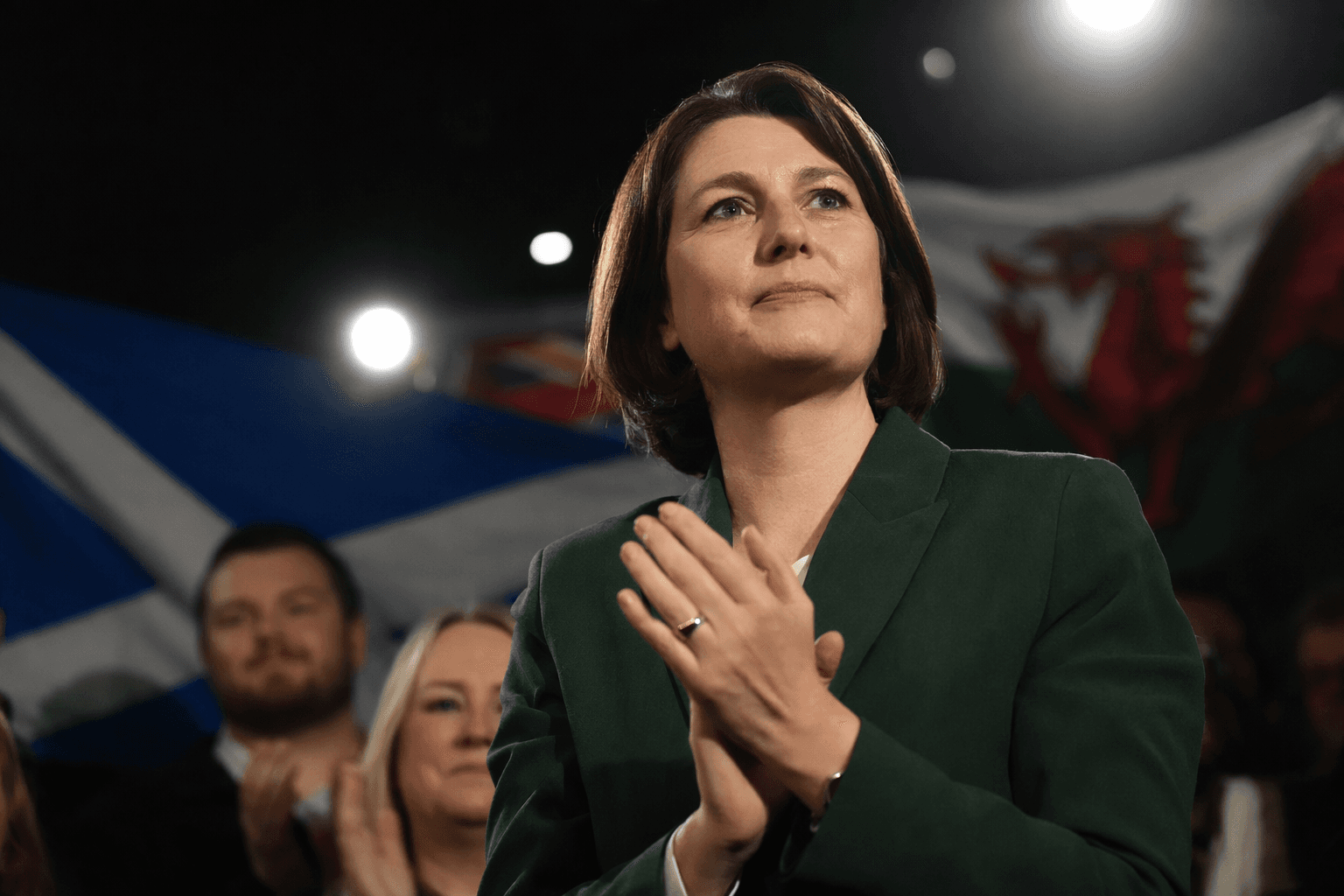
Scotland delivered a different but equally unsettling message for London. The Scottish National Party won a fifth successive Scottish Parliament election, taking 58 of 129 seats, seven short of the 65 needed for an outright majority. Labour and Reform UK tied for second on 17 seats each, followed by the Scottish Greens on 15, the Conservatives on 12 and the Liberal Democrats on 10. Turnout was 53.2%. John Swinney said the SNP had secured another term but had fallen short of the majority he wanted to strengthen the case for another independence referendum. Scotland rejected independence in 2014, yet the constitutional question remains live.
Northern Ireland adds another layer of pressure. Michelle O’Neill has been Northern Ireland’s first nationalist First Minister since February 2024, and Sinn Fein is now the largest party at Westminster, Stormont and local-government level. O’Neill called the result a moment of seismic change and suggested Westminster’s authority was receding. That matters in a region where the peace settlement built a shared government structure, but did not erase constitutional tension.
England is not insulated from the same anger. Labour lost more than a thousand municipal seats, and Keir Starmer vowed to stay in office despite the damage. The immediate ballots were local, but the message was national: Britain’s parts are voting for increasingly different futures, and that makes governing the union harder, not easier.
Know something we missed? Have a correction or additional information?
Submit a Tip