UK Fuel Prices Surge 34% as Middle East Conflict Disrupts Oil Supply
Diesel has surged 34% to 190.6p per litre since Iran closed the Strait of Hormuz, costing drivers £26 more per fill while a fragile ceasefire offers little comfort at the pump.
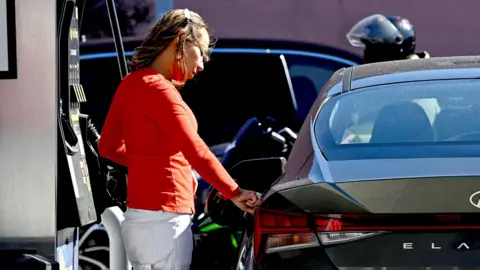
Every diesel fill-up now costs £26 more than it did six weeks ago. That's the daily arithmetic facing delivery drivers, farmers, and commuters across Britain after average diesel prices hit 190.6p per litre, a 34% surge since US and Israeli airstrikes on Iran's nuclear facilities triggered a closure of the world's most critical oil chokepoint on 28 February. Petrol climbed 19% to 157.7p per litre, adding £13 to every standard 55-litre fill. A full tank of diesel now costs approximately £104.83.
The price shock traces to Operation Epic Fury, the US-codenamed strike campaign that prompted Iran to shut the Strait of Hormuz. Around 21 million barrels of oil, about one-fifth of global daily supply, move through the strait each day, according to the US Energy Information Administration. The closure sent Brent crude surging from approximately $65 per barrel in early June 2025 to around $80-82 by early March 2026. Goldman Sachs Research estimated that traders were pricing in a $14-per-barrel risk premium over pre-conflict levels, a surcharge analysts warn could persist long after any formal ceasefire.
Simon Williams, RAC head of policy, noted diesel had been closing in on the all-time UK record of 199.2p set on 25 June 2022 and is now just 9p short. Between 28 February and 23 March alone, diesel rose by 29p per litre, a 20% move in under a month, while petrol rose by 14p, around 10%, according to the House of Commons Library. The RAC does not expect significantly cheaper fuel in the short term, though independent forecourts buying on a spot basis may pass savings on sooner if oil prices stabilise.
A two-week conditional ceasefire between the United States and Iran, brokered with Pakistan's assistance, was announced by President Donald Trump on 7-8 April. Oil prices fell sharply on the news and global stock markets recovered. But Iran accused the US of breaching the agreement almost immediately, and Vice President JD Vance acknowledged that "ceasefires are always messy."
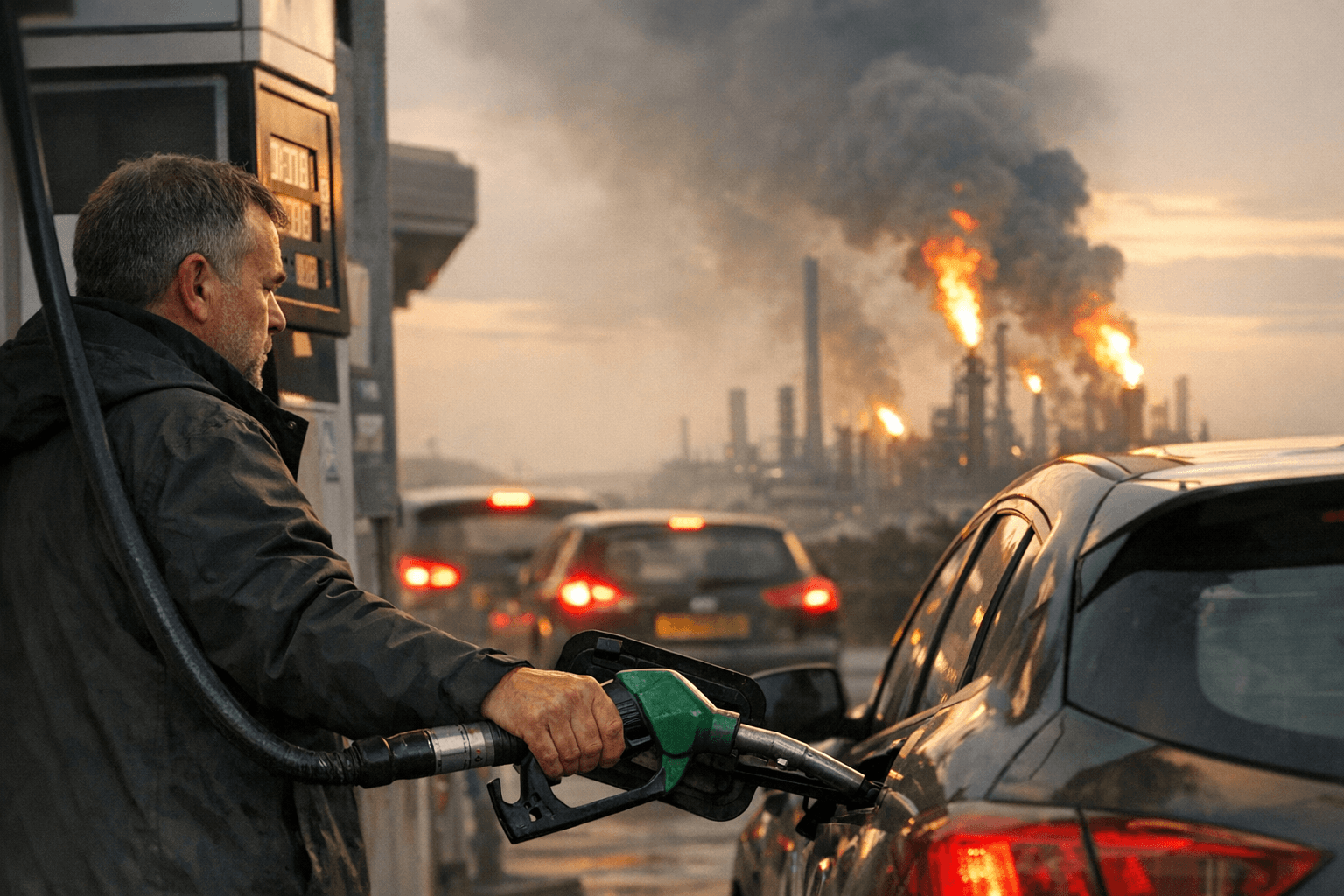
Shon Hiatt, director of the Zage Business of Energy Initiative at the USC Marshall School of Business, explained why pump prices are unlikely to follow oil markets lower even as headlines turn more optimistic. "There's so much uncertainty still around what this ceasefire means, and when and how fuel starts to flow through the Strait of Hormuz again, retailers are not going to drop prices sharply in the face of those unknowns," Hiatt said. "Prices go up like a rocket, and they fall like a feather."
Janiv Shah, vice president of commodity markets at Rystad Energy, identified a further structural drag: even if shipping resumes, refiners may delay purchases in anticipation of further price declines while physical supplies remain constrained. Analysts at Jefferies cautioned that oil prices are "likely to remain above pre-war levels for months." Multiple Asian nations have already been forced into emergency fuel conservation measures, and it could take days to weeks for new supplies to reach global markets.
Northern Ireland has been hardest hit across the UK, with diesel up nearly 38% and petrol by over 21% since the conflict began. The House of Commons Library warned that rising energy costs are expected to push UK inflation higher, with previously anticipated Bank of England rate cuts now considered unlikely and hikes now possible. Farmers have reported sharp increases in fuel and fertiliser costs. Nick Zapolski, founder of ChooseMyCar.com, noted that 29% of UK drivers now say they will use their car less. Before the conflict, petrol averaged 137.17p per litre in November 2025 and diesel 146.57p; two years of post-2022 relief erased in a matter of weeks.
This article was produced by Prism’s automated news system from verified source data, official records, and press releases, then run through automated quality and moderation checks before publishing. The system is built and supervised by the people who set the standards it runs under. Read our full AI policy.
Did this article answer your question?

