UK Government to Reopen CO2 Plant as Part of War Contingency Plan
Business Secretary Peter Kyle approved a £100m grant to reopen the mothballed Ensus CO2 plant on Teesside, the UK's first major wartime supply intervention.
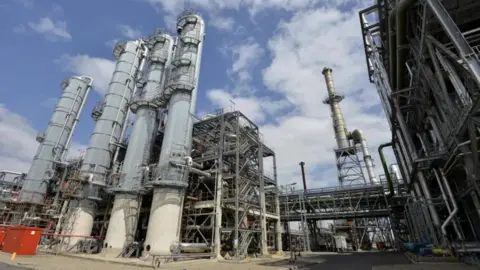
Business Secretary Peter Kyle approved a grant of up to £100 million to reopen a mothballed bioethanol plant on Teesside, marking the UK government's first major ministerial intervention to avert carbon dioxide shortages tied to the Iran war. The Department for Business is expected to announce that the Teesside site, operated by Ensus, will restart operations after it was mothballed last year.
The grant will pay to get the plant up and running again for an initial three-month period, with hopes, according to people briefed on the negotiations, that it could stay open indefinitely. The intervention carries a particular irony that one UK government official briefed on the plan did not let pass: "The irony is that the plant was shut because of a deal with Trump and now it's reopening because of Trump's war in Iran."
The plant, which manufactures bioethanol that produces CO2, was shut after the government struck a trade deal with the US which removed a tariff on American ethanol imports into the UK. The trade deal cut the commercial rationale for domestic bioethanol production, rendering the Ensus facility uneconomic and triggering its mothballing last September. CO2 is a byproduct of ethanol production, meaning the loss of the plant directly reduced a domestic supply source for the gas.
The decision is believed to have been partly driven by concerns about the rising cost of energy on fertilizer companies in Europe, which also produce CO2 as a byproduct. Some EU plants have also been closed for planned maintenance, compounding the pressure on supply. The Iran conflict has sent energy prices sharply higher: oil and gas prices rose sharply since the US and Israel launched military action against Iran on 28 February.
The gas is vital for several sectors, including drinks and the nuclear industry, but supply has been disrupted thanks to soaring energy costs on other sources such as fertiliser factories. Beyond those industries, CO2 is also critical for food packaging, IVF treatment, and the stunning of animals in abattoirs. A sustained shortage would ripple across a wide range of British industries simultaneously.

Fears range much wider than CO2, with former BP executive Nick Butler telling Times Radio the UK could face oil and gas shortages in two to three weeks. "There will be shortages and I think the Government now should be seriously planning how they're going to handle that and part of that is maximising supply," Butler said. Shell chief executive Wael Sawan issued a similar warning at an industry conference.
Energy minister Michael Shanks pushed back against the most alarming projections when he told MPs the government was "absolutely not" planning for blackouts or petrol rationing, insisting the UK had a "strong and diverse range of supplies." Ministers continued to maintain that petrol supply remained reliable, even as the key strategic uncertainty, how long Iran's effective blockade of the Strait of Hormuz will last, remained unresolved.
The grant for the Ensus plant is the first major intervention by the UK Government aimed at tackling possible shortages caused by the Iran conflict, and its approval signals that contingency planning has moved beyond reassurance and into active industrial policy. The Department for Business and Trade and Ensus declined to comment.
This article was produced by Prism’s automated news system from verified source data, official records, and press releases, then run through automated quality and moderation checks before publishing. The system is built and supervised by the people who set the standards it runs under. Read our full AI policy.
Did this article answer your question?

