UK Ministers Review Kanye West's Entry Permission Amid Festival Backlash
UK ministers reviewed whether to bar Ye from entering the country after his Wireless Festival headline booking triggered sponsor exits and cross-party condemnation over antisemitism.
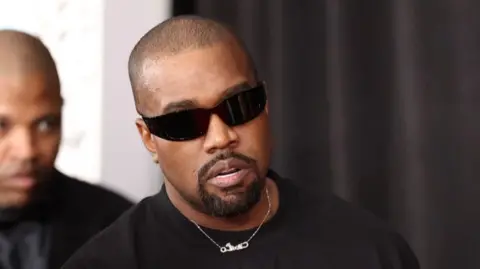
The British government moved to review Kanye West's right to enter the United Kingdom after fierce political and commercial backlash erupted over his booking as the sole headliner of all three nights of Wireless Festival 2026, scheduled for July 10-12 at Finsbury Park in north London.
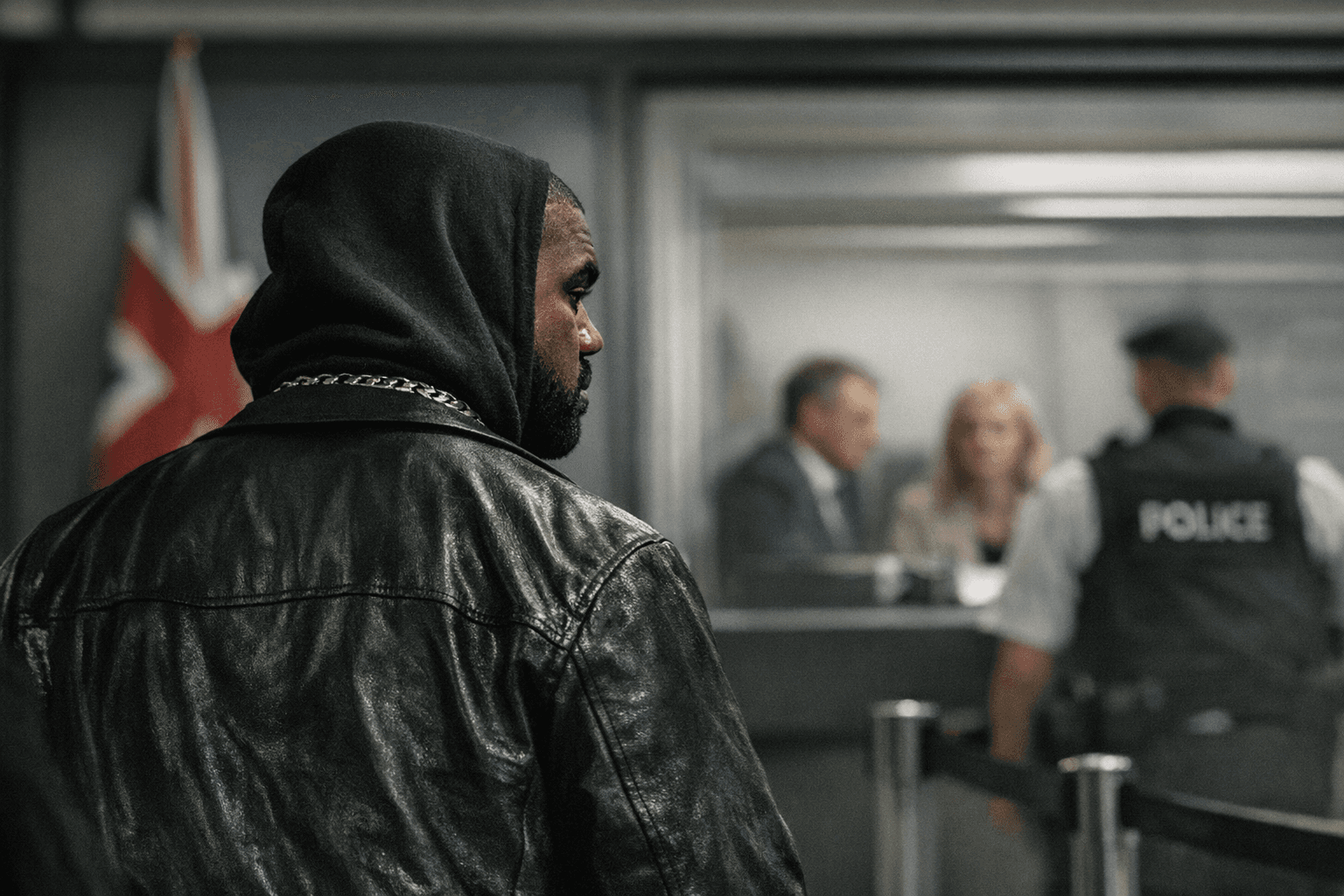
A UK government source confirmed that ministers were reviewing Ye's permission to enter the country. The legal mechanism at play sits with the Home Secretary: ministers hold the authority to ban foreign nationals from entering the country if their presence is found to be not "conducive to the public good." Home Secretary Shabana Mahmood received a formal letter from shadow home secretary Chris Philp, asking her to use those powers to prevent West from travelling to the UK, with Philp arguing that West's past remarks represent a pattern of behaviour rather than a one-off incident. Philp wrote on social media: "She says she wants to fight antisemitism. Now we will find out how serious she really is." The precedent was clear: Mahmood had already exercised those exclusion powers earlier in the year by refusing entry to a far-right Dutch activist.
Prime Minister Keir Starmer said in a statement: "It is deeply concerning that Kanye West has been booked to perform at Wireless despite his previous antisemitic remarks and celebration of Nazism." London Mayor Sadiq Khan also condemned the booking, alongside groups including the Jewish Leadership Council and the Campaign Against Antisemitism. The Campaign Against Antisemitism stated: "The government can ban anyone from entering the UK who is not a citizen and whose presence would 'not be conducive to the public good'. Surely this is a clear case."
The commercial damage hit Wireless almost immediately. Pepsi, the festival's main sponsor, and spirits giant Diageo both withdrew their support after West was announced as headliner. Rockstar Energy Drink, owned by PepsiCo in the UK, was also assumed to be dropping out, and PayPal announced it would no longer allow its branding to appear in any future promotional materials for the event. That left Budweiser, PayPal, and Beatbox among the sponsors who had been urged to withdraw but had not issued a response.
Festival Republic managing director Melvin Benn pushed back against the pressure. Benn, describing himself as a "deeply committed anti-fascist" and "person of forgiveness," said West has a "legal right to come into the country and to perform," and called what West had said about Jews and Hitler "as abhorrent to me as it is to the Jewish community."
For the tens of thousands of ticket holders who had already purchased passes at prices ranging from £140.50 for a day pass to £360.50 for a weekend ticket, the uncertainty carried real financial weight. One analysis noted that factoring in accommodation and travel, a London-based festivalgoer could easily spend £500 to £600 for the weekend, a particularly pointed outlay given rising costs in April 2026. No refund policy had been publicly announced, and the festival's website continued listing West as the headline act while still displaying now-departed sponsors' branding.
The Home Office had yet to confirm whether West would be allowed to enter the UK, and it was understood no final decision had been made. West had previously been denied entry to Australia on similar grounds, establishing that such bans against high-profile entertainers were not without precedent. His last UK performance was at Glastonbury in 2015, more than a decade before the controversy now threatening to unravel one of London's most prominent summer music events.
This article was produced by Prism’s automated news system from verified source data, official records, and press releases, then run through automated quality and moderation checks before publishing. The system is built and supervised by the people who set the standards it runs under. Read our full AI policy.
Did this article answer your question?