UK pledges nearly £130 million for zero-emission vehicle technologies
Britain committed nearly £130 million to zero-emission vehicle technology, with almost £65 million from public funds and the rest from industry.
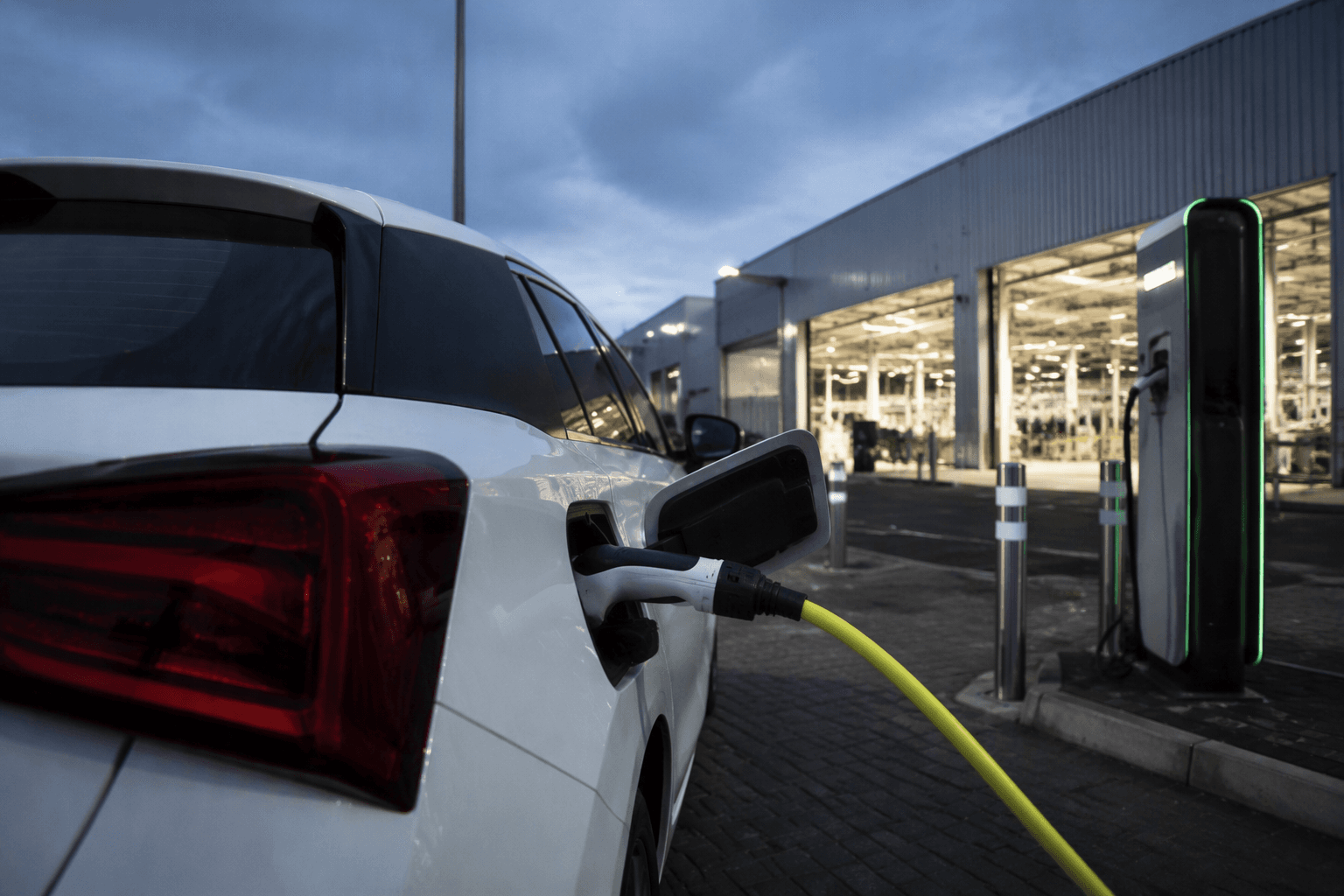
The British government pledged nearly £130 million for zero-emission vehicle technologies as it tries to keep Britain relevant in a car industry being rebuilt around electrification. Almost £65 million will come from public money, with industry providing the rest, a structure meant to pull private capital into research and manufacturing capacity rather than leave the transition to the state alone.
The package sits inside DRIVE35, the Automotive Innovation Grants scheme the government launched in July 2025 to support low-carbon and zero-emission vehicle technologies. That matters for competitiveness as much as climate policy: Britain is trying to show carmakers, battery suppliers and investors that it still intends to host engineering work, prototyping and production planning even as the United States, the European Union and China intensify their own industrial support.
The money also builds on a steady run of earlier commitments. The government announced £77 million for zero-emission vehicle projects in May 2023 and £89 million for new electric vehicle technology in October 2023. Taken together, those rounds show a policy pattern of recurring grants rather than one-off rescue packages, with ministers returning to the sector as the market shifts toward electric drivetrains and lower-carbon transport.
The policy stakes are high because transport is the largest emitting sector in the UK, and ministers have set a path to zero-emission vehicles by 2035. The latest funding is aimed at the technologies that sit behind that goal, including battery innovation, power electronics, lightweight materials, charging-related systems and advanced manufacturing. For the car industry, the practical question is whether public support of this scale can do more than finance lab work and pilot projects, or whether it can also help anchor domestic supply chains and skilled jobs.

The near-term effect for consumers is likely to be indirect. Britain already has a growing electric-vehicle base, with Transport & Environment saying 1.4 million zero-emission vehicles are registered in the UK, EVs accounted for 19.6% of car sales in 2024, and more than 75,000 chargers are installed nationwide. Reuters also cited a June sales bounce, with EV share hitting 30%, showing that demand is improving even as manufacturers face expensive investment decisions.
Whether £130 million is enough to materially strengthen Britain’s position against larger industrial rivals will depend on where the money lands, how quickly firms match it with private investment and whether it supports genuine production capacity rather than another round of announcements. For now, the government has signalled that it wants Britain to remain in the race to build the technologies that will power the next generation of vehicles.
This article was produced by Prism’s automated news system from verified source data, official records, and press releases, then run through automated quality and moderation checks before publishing. The system is built and supervised by the people who set the standards it runs under. Read our full AI policy.
Did this article answer your question?