Berkshire ramps up buybacks as Greg Abel signals confidence
Berkshire spent about $4.5 billion on buybacks as Greg Abel cut the cash pile to $344.1 billion and bought Alphabet shares, a sharper use of capital after Buffett.
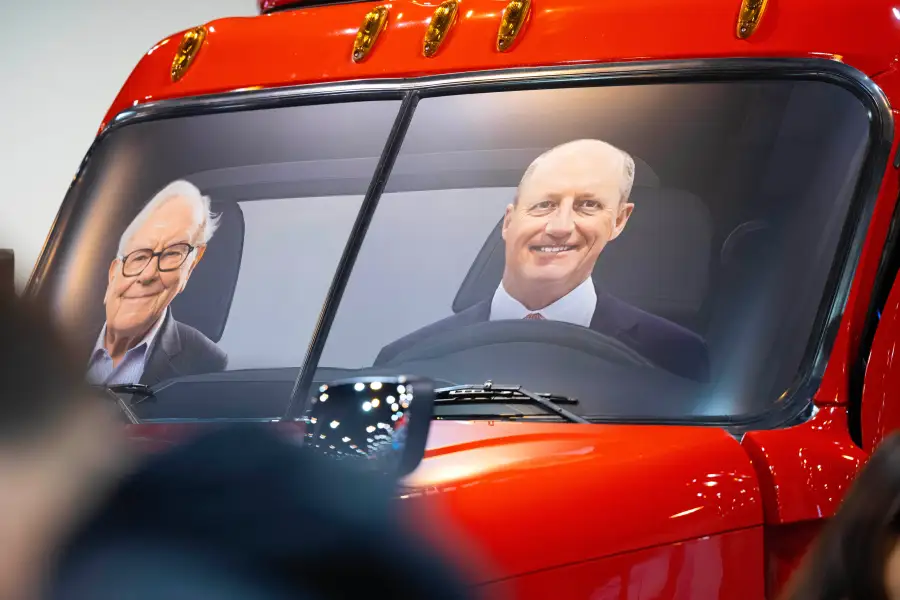
Berkshire Hathaway spent about $4.5 billion repurchasing its own shares in the second quarter as Greg Abel began putting the conglomerate’s cash pile to work. The Omaha company’s cash position fell to about $344.1 billion at the end of June from a record $347.7 billion at the end of March, and Berkshire also bought billions of dollars of stock, including Alphabet. For a company long known for patience, the move was the clearest signal yet that Abel is willing to use Berkshire’s balance sheet more aggressively.
The spending came alongside stronger earnings. Berkshire’s operating profit rose 16% to about $11.2 billion, helped in part by better insurance underwriting, while net income more than doubled to about $12.37 billion. Berkshire’s mix of insurance, railroads, utilities, manufacturing, retail and stock holdings once again showed why the conglomerate can absorb shocks in one business with gains in another. The quarter gave Abel both the earnings power and the flexibility to keep returning capital without straining the company’s defenses.
Abel became chief executive on January 1, 2026, after decades in Warren Buffett’s shadow. His 2025 shareholder letter framed that shift in restrained terms, saying, “We concentrate on quality, not frequency.” The second-quarter repurchases fit that posture: Berkshire did not chase a splashy acquisition, but it did decide its own stock and selected equities were better uses of capital than leaving all of the cash idle. Berkshire also ended a 14-quarter stretch as a net seller of stocks and became a net buyer of equities in the period.
That matters because buybacks at Berkshire are always read as a judgment on valuation and discipline. When the company retires shares, it is effectively saying the stock is attractive relative to its long-term value and that the best return may come from owning more of Berkshire itself. Even after the quarter’s spending, the company still held an extraordinary cash cushion, leaving room for market shocks, insurance losses or a larger opportunity later.
For investors, the message from Berkshire is harder to miss than a single acquisition: Abel is not just preserving Buffett’s fortress balance sheet, he is beginning to deploy it.
This article was produced by Prism’s automated news system from verified source data, official records, and press releases, then run through automated quality and moderation checks before publishing. The system is built and supervised by the people who set the standards it runs under. Read our full AI policy.
Did this article answer your question?