SEC drops insider-trading case against Trump-pardoned ex-Ontrak CEO
The SEC is ending its civil insider-trading case against Terren Peizer after Donald Trump pardoned the former Ontrak CEO, closing a parallel track to a 42-month prison sentence.
The Securities and Exchange Commission moved to dismiss its insider-trading lawsuit against Terren Peizer, the former Ontrak Inc. chief executive pardoned by Donald Trump. The filing on Friday in Washington removes the civil case that ran alongside Peizer’s criminal conviction, a case the Justice Department says ended with a 2024 federal jury verdict and a 42-month prison sentence.
The distinction matters. A presidential pardon reaches criminal exposure, not every possible civil consequence, but the SEC has its own authority to police insider trading through federal securities law. In Peizer’s matter, the agency’s case was tied to a publicly traded health care company and a trading scheme built around a Rule 10b5-1 plan, a structure investors often use to prearrange stock sales.
That is why the SEC’s decision to step away now is notable. The agency could have pressed its separate civil claims even after the criminal case ended in conviction, just as federal regulators often continue civil enforcement after criminal matters collapse, stall or are resolved on different terms. Instead, the SEC chose to ask the court to end its lawsuit, effectively closing the civil track against Peizer. The move leaves intact the broader question of how much executive clemency should influence independent financial regulation when the underlying conduct has already been tested in court.
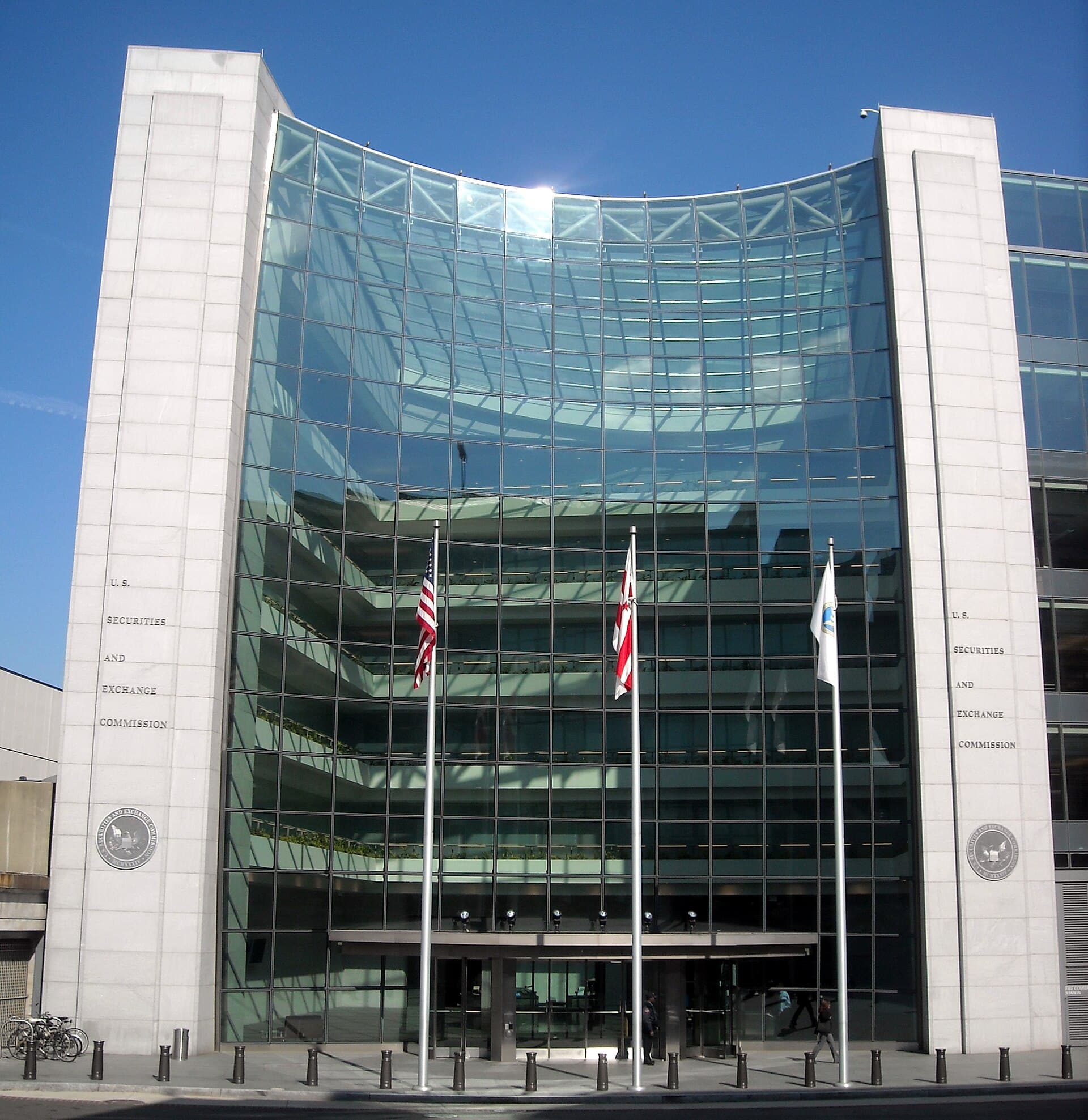
The case also lands in a period when insider-trading enforcement has been uneven. NPR noted in 2020 that SEC insider-trading enforcement had fallen to its lowest point in decades in 2019, a reminder that the agency’s appetite for hard-fought market cases can rise and fall with leadership, politics and priorities. Against that backdrop, the Peizer dismissal looks less like a routine legal housekeeping step than a choice about how far the SEC wants to go when a defendant has received presidential protection.
For white-collar enforcement, the message is blunt. Criminal punishment can be erased by pardon, but civil accountability depends on whether regulators keep pressing. Here, the SEC did not.
This article was produced by Prism’s automated news system from verified source data, official records, and press releases, then run through automated quality and moderation checks before publishing. The system is built and supervised by the people who set the standards it runs under. Read our full AI policy.
Did this article answer your question?