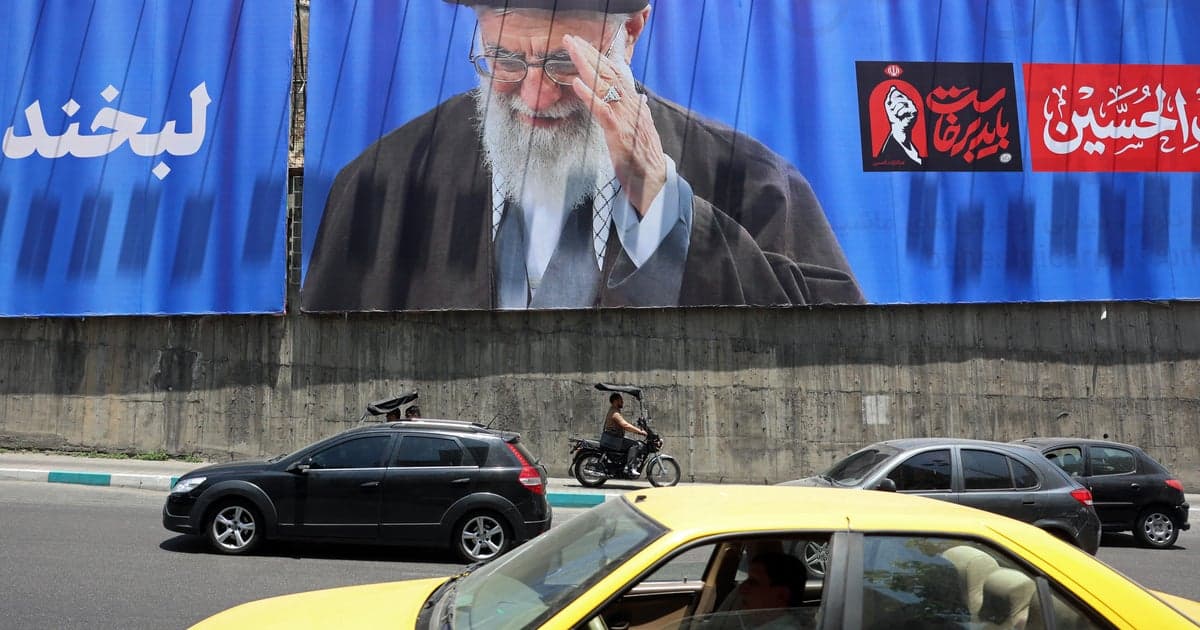
U.K. raises terror threat level to severe after Golders Green stabbing
Britain moved its terror alert to severe after a Golders Green stabbing, saying the threat from Islamist and far-right extremists had been rising for months.
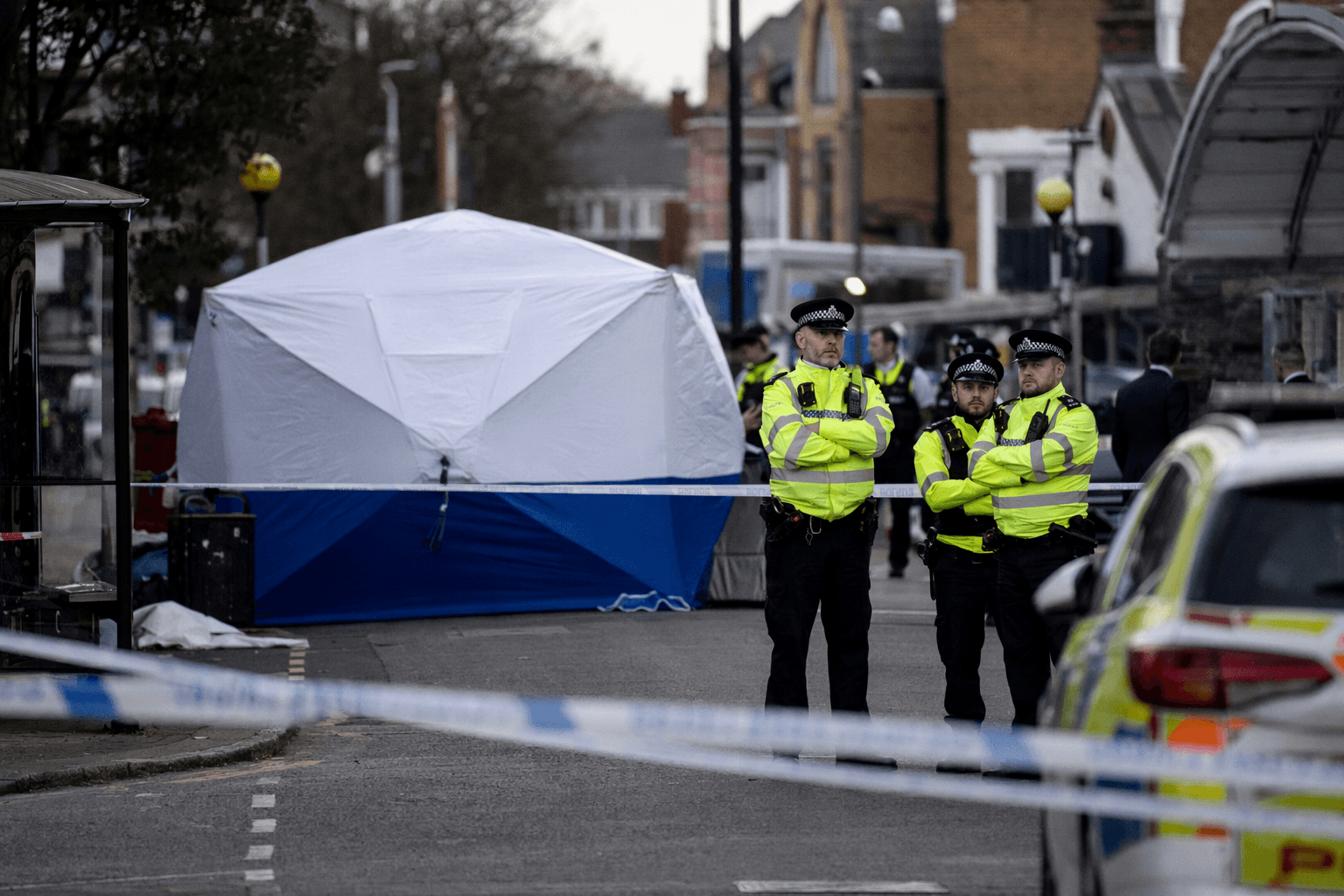
Britain raised its national terrorism threat level to severe on Thursday, putting the country at the second-highest rung of its five-point scale and signaling that an attack is highly likely. The move followed the stabbing of two Jewish men in Golders Green, north London, but officials said the change was driven by a wider assessment of escalating Islamist and extreme right-wing threats across the United Kingdom.
The warning came from the Joint Terrorism Analysis Centre, known as JTAC, the independent MI5 body that sets the national threat level. MI5 says substantial means an attack is likely, while severe means it is highly likely, and that the public threat levels are kept under regular review. The escalation reflected concern about individuals and small groups based in Britain, not just the Golders Green attack itself.
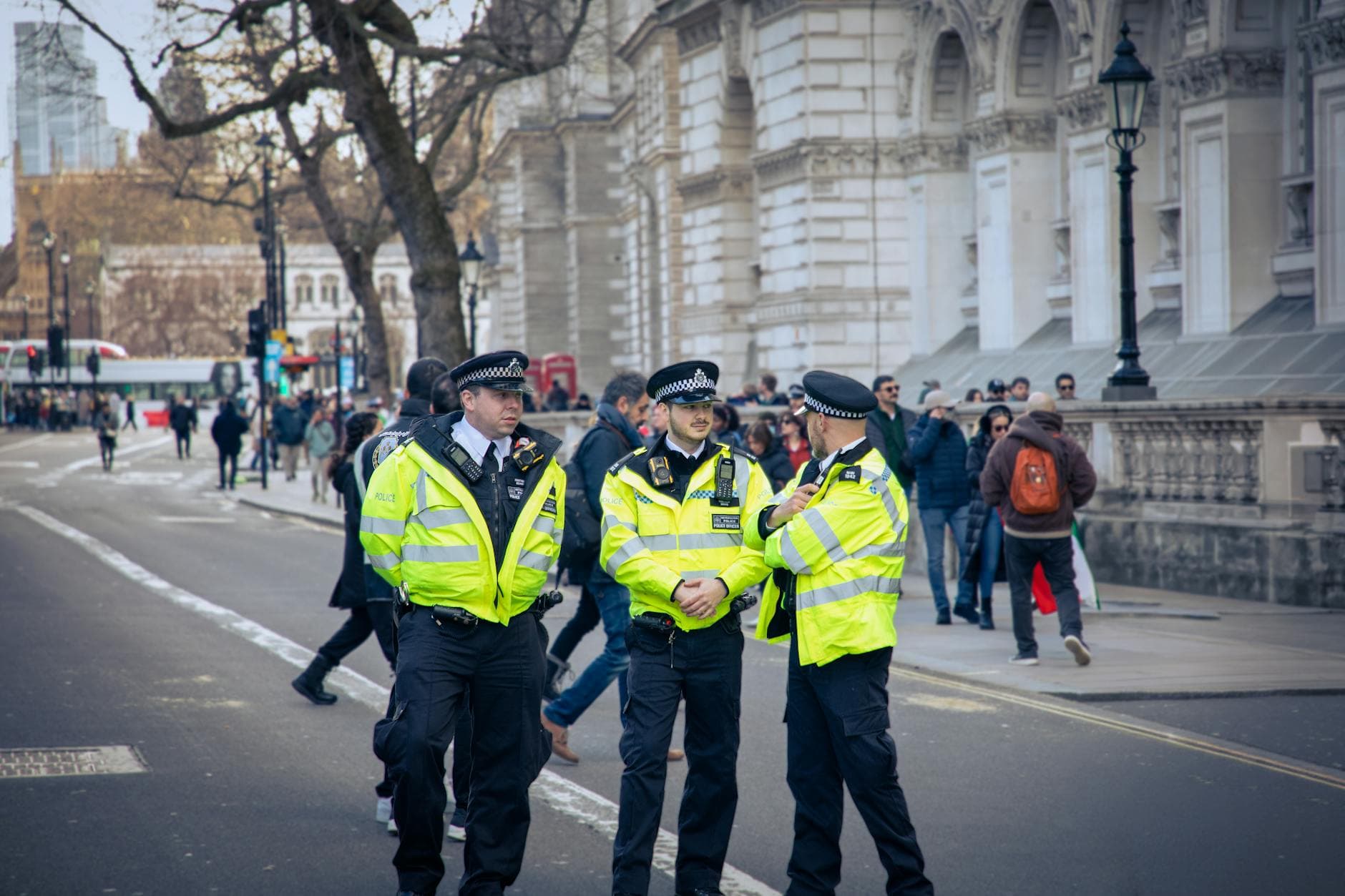
Police are treating the stabbing, which took place on Wednesday, April 29, as an act of terrorism. The government said the country was facing an antisemitism emergency and vowed to increase security for Jewish communities. Home Secretary Shabana Mahmood urged people to remain vigilant as authorities moved to harden their posture around the threat.
The decision landed in a climate already unsettled by a string of antisemitic incidents in and around Golders Green. Jewish community groups and local councils described recent attacks as deeply disturbing, including arson attacks on Jewish community ambulances in the area. Three people have been charged in connection with those fires with arson with intent to damage property and being reckless as to whether life would be endangered.
The threat-level rise sharpened a larger national question about how Britain is trying to balance two persistent dangers at once, Islamist extremism and far-right violence, without missing either one. It also raised pressure on ministers and security agencies to show that warning signs are being met with prevention, not just alarm. With severe now in force, the message from the state was blunt: the risk is not abstract, and the security response must remain active.
This article was produced by Prism’s automated news system from verified source data, official records, and press releases, then run through automated quality and moderation checks before publishing. The system is built and supervised by the people who set the standards it runs under. Read our full AI policy.
Did this article answer your question?