UK regulator investigates airline over charges for parents to sit with children
Britain’s watchdog opened a probe into Ryanair’s £8 family-seat charge, asking whether parents are paying to keep children safely beside them.
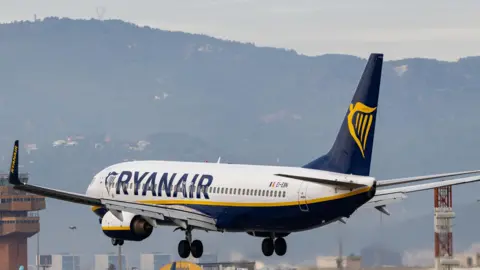
Britain’s competition watchdog opened a probe into Ryanair’s £8 family-seat charge, testing whether parents are being forced to pay to keep children aged 2 to 11 beside them on flights. The case pushes a family-travel fee into the wider fight over junk charges and what airlines must count as part of the ticket price.
The Competition and Markets Authority said Ryanair’s terms require at least one parent to sit with children aged 2 to 11, and that the airline calls the arrangement a “mandatory family seat.” The fee applies to outbound and return flights and typically costs around £8 each way, with the CMA saying evidence suggests the practice is used across the majority of Ryanair’s UK routes. Regulators are examining whether that means parents are paying for the airline to meet its own child safety and disability-related obligations under aviation rules.

The watchdog is also looking at whether the charge amounts to drip pricing, where mandatory costs are added later in the booking process instead of being shown upfront. Under consumer law, businesses must present a total price that includes all unavoidable charges. The CMA said Ryanair is the only major airline flying out of the UK to impose the levy, while other airlines either seat children with a parent or guardian without a paid adult reservation or automatically place families together for free.
Ryanair dismissed the probe as “bogus” and said its family seating policy fully complies with law and saves families money. A spokesperson said the airline does not charge children to sit beside a parent or accompanying adult, and that adults traveling with children pay for one reserved seat while being able to select reserved seats beside them for up to four children on the same booking free of charge. The CMA said the case was at an early stage and could end in remedies, a finding of unlawful conduct or closure, but the investigation itself puts renewed pressure on fees that can make basic family travel more expensive than the fare suggests.
This article was produced by Prism’s automated news system from verified source data, official records, and press releases, then run through automated quality and moderation checks before publishing. The system is built and supervised by the people who set the standards it runs under. Read our full AI policy.
Did this article answer your question?

