UK set for record May heat as temperatures hit 35C
Temperatures were forecast to hit 35C in central and southern England, with the heat lingering into Saturday and amber health alerts covering much of the country.
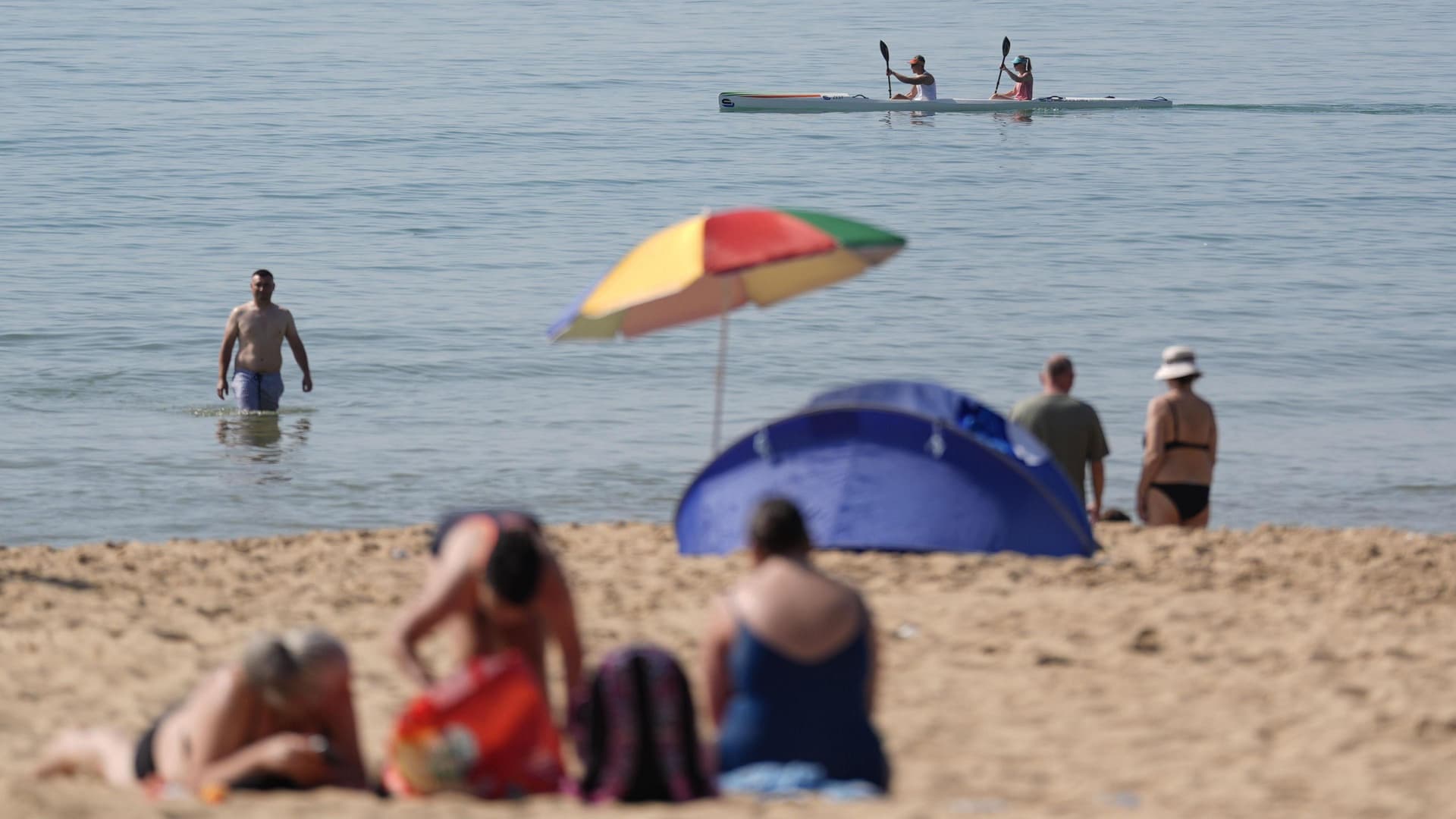
Temperatures were set to peak at 35C across parts of central and southern England, with the hottest conditions focused on Lincolnshire, the Midlands, western East Anglia and the London area before easing only slowly later in the week. The Met Office said the spell would stay exceptionally warm through Wednesday and Thursday, with 31C forecast on Wednesday 27 May, 30C on Thursday 28 May, 27C on Friday 29 May and 28C on Saturday 30 May.
Heatwave thresholds were likely to be reached from Sunday 24 May, first in southeastern England and then more widely across central and western England and into parts of Wales as the high pressure system kept conditions settled. Temperatures above 30C were expected from southern parts of northern England southwards and westwards into eastern Wales. The Met Office said it was likely the May and spring UK temperature records would be broken over the Bank Holiday weekend, with the standing all-time May record of 32.8C set at Camden Square on 22 May 1922 and matched at Horsham, Tunbridge Wells and Regent’s Park on 29 May 1944.

The UK Health Security Agency issued its first amber heat-health alert of 2026 and extended it until 5pm on Thursday 28 May. The alert covered parts of England including the East Midlands, East of England, London, West Midlands, South East and South West, with yellow alerts elsewhere. Health officials warned of increased risk to vulnerable people as the hot spell continued and temperatures remained well above average.

The coast brought a separate hazard. Met Office sea surface temperatures during the heatwave ranged from about 9C around Scotland to 13C around the south west of England, leaving a sharp and dangerous contrast between air and water for anyone heading to beaches or open water. The risk of cold water shock remained a concern even in high summer-style warmth, especially for older adults and anyone entering the sea after prolonged heat on shore.
That warning carried added weight after the RNLI said lifeguard rescues more than doubled in 2025 compared with 2024. The charity helped save more than 36,000 people last year, up from about 17,000 the year before, underscoring how quickly a heatwave can turn into a coastal emergency when crowds head for the water in search of relief.
This article was produced by Prism’s automated news system from verified source data, official records, and press releases, then run through automated quality and moderation checks before publishing. The system is built and supervised by the people who set the standards it runs under. Read our full AI policy.
Did this article answer your question?


