UK summons Iran ambassador over embassy’s inflammatory social media post
A Farsi Telegram post urging Iranians in Britain to register for a “Sacrifice for the Homeland” campaign forced London to summon Tehran’s envoy.
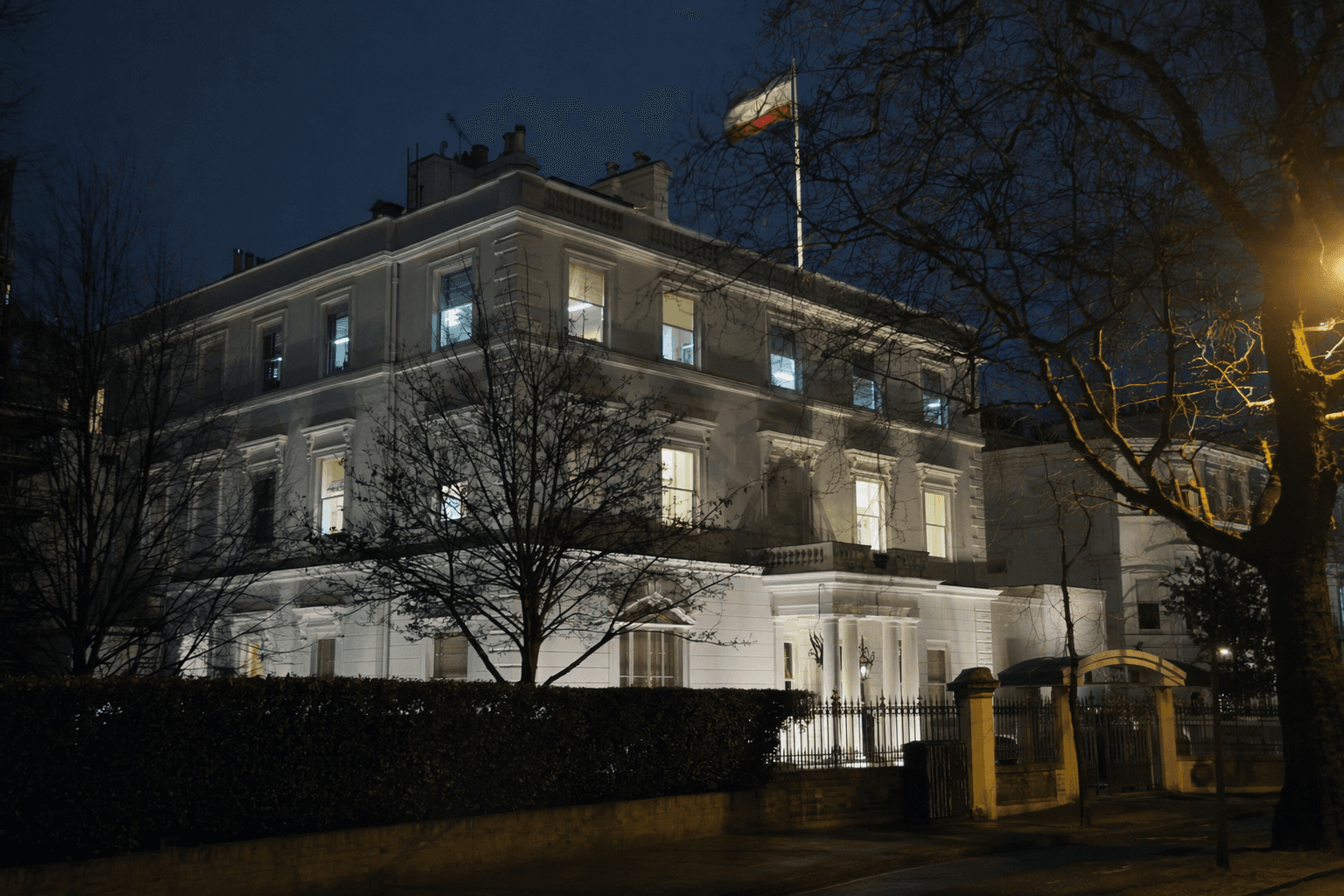
Britain summoned Iran’s ambassador, Seyed Ali Mousavi, after what officials described as the Iranian embassy’s “unacceptable and inflammatory” social-media comments, escalating a diplomatic dispute that now sits squarely in the realm of national security. The Foreign, Commonwealth and Development Office said the embassy had to stop any communications that could be interpreted as encouraging violence in the United Kingdom or abroad.
The row centered on a message that appeared on the Iranian embassy’s official Telegram channel earlier in April and was published in Farsi on 15 April 2026, according to separate reporting. The post invited Iranians living in Britain to volunteer for a campaign dubbed “Sacrifice for the Homeland,” with language that urged supporters to declare a willingness to sacrifice their lives in defense of Iran. Some reports said the post drew thousands of views and hundreds of emoji reactions, underscoring how quickly a digital appeal can become a public-order concern when it reaches a diaspora community already under strain.
Hamish Falconer, the Middle East minister, said the embassy must halt any communications that could be read as encouraging violence in Britain or internationally. The government did not identify the exact post that triggered the summons, but officials tied the response to wider concerns about Iran’s hostile activity on British soil and beyond. For London, the issue was not only the tone of the message, but the possibility that a foreign state was using its diplomatic presence to intimidate, mobilize or radicalize people living under British protection.

The summons also came against the backdrop of a separate confrontation in March 2026, when Britain called in the Iranian ambassador after an Iranian national and a British-Iranian dual national were charged on suspicion of helping Iran’s intelligence services. That earlier case sharpened concern in Westminster about surveillance and coercion directed at expatriate communities, and lawmakers have warned of wide-ranging threats posed by Iran to Britain. In that context, a seemingly simple registration message on Telegram landed as something much larger: a test of how far a foreign government can reach into lives, loyalties and safety on British soil.
This article was produced by Prism’s automated news system from verified source data, official records, and press releases, then run through automated quality and moderation checks before publishing. The system is built and supervised by the people who set the standards it runs under. Read our full AI policy.
Did this article answer your question?