Senegal lawmakers approve electoral changes that could clear Sonko for 2029 run
Senegal moved to erase legal barriers that kept Ousmane Sonko out of the 2024 race, a shift critics call tailor-made for one man and supporters cast as normalization.
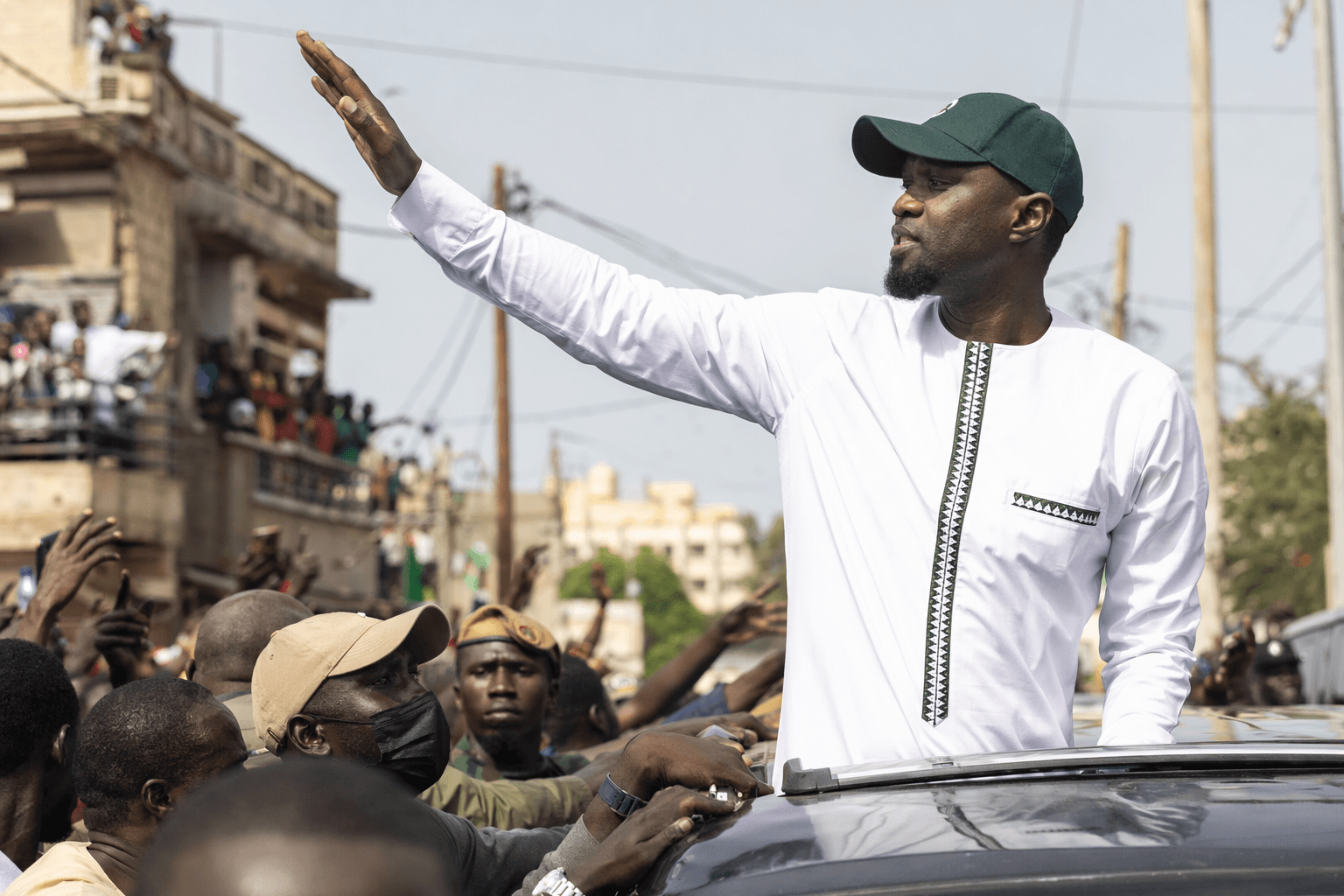
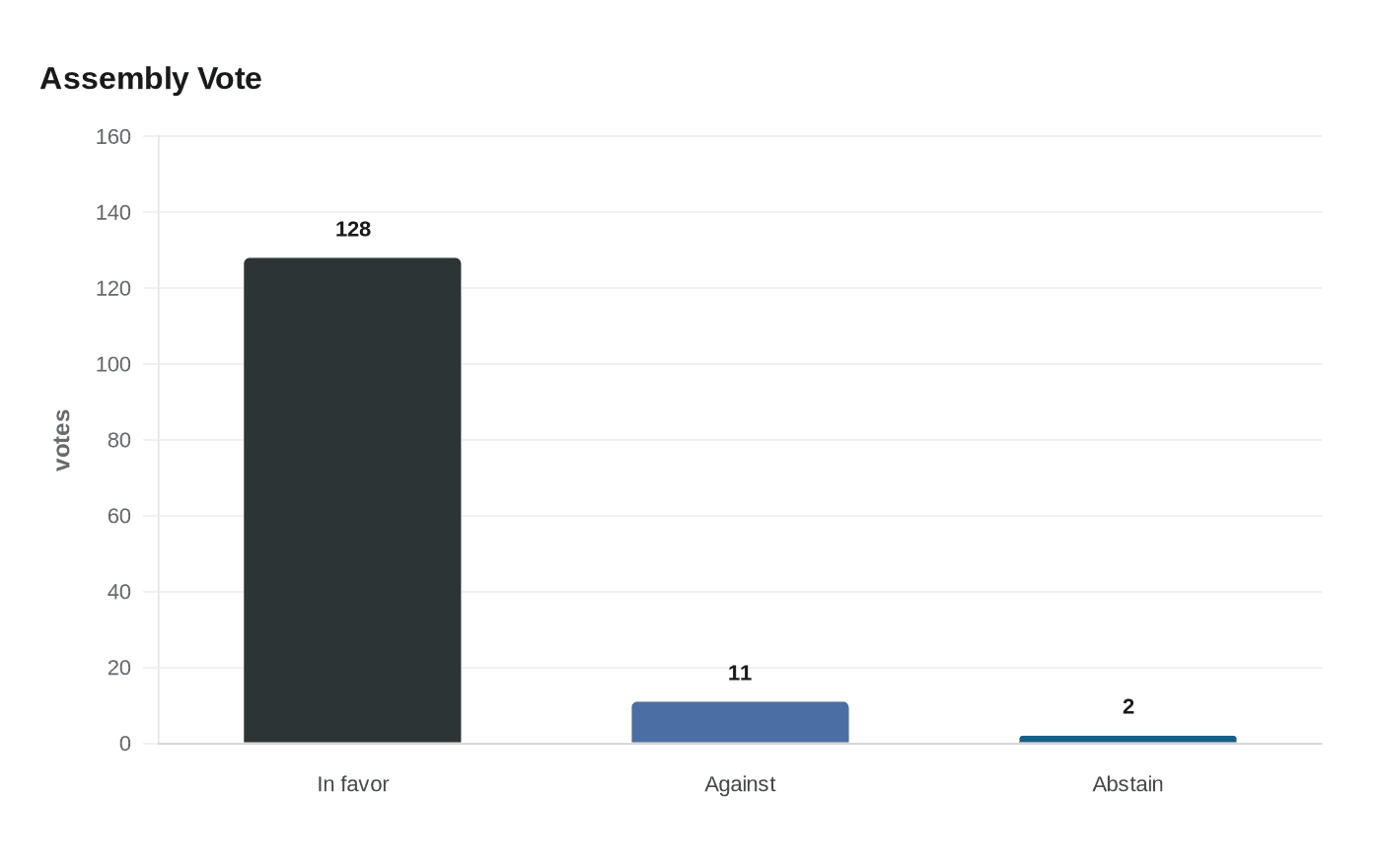
Senegal’s National Assembly approved electoral code changes on Tuesday that could remove the legal obstacles that blocked Ousmane Sonko from the 2024 presidential race and may clear the way for a 2029 run. The vote was decisive, 128 in favor, 11 against and two abstentions, underscoring how firmly Sonko’s Pastef party now controls the chamber.
The reform targets provisions, including Articles L29 and L30, that had made Sonko ineligible for office after his defamation conviction and loss of civic rights. That legal history has defined Senegal’s politics for three years. Sonko was convicted in May 2023 to six months in prison with suspension and damages, the Supreme Court confirmed that ruling in January 2024, and a later challenge was rejected in July 2025. He was then barred from the February 2024 presidential election.
The timing makes the measure politically charged. Bassirou Diomaye Faye, Sonko’s substitute candidate, won the March 24, 2024 presidential election with 54.28 percent of the vote and took office in April. Sonko became prime minister in the new government, but tension has grown between the two men over who truly leads the ruling camp. Sonko was later elected to the National Assembly in November 2024, then renounced the seat to remain prime minister.
Supporters of the reform say it removes an outdated legal trap left from a period of political upheaval. Alioune Tine, a civil-society figure, said the measure would eliminate the remaining risks to Sonko’s 2029 candidacy. Pastef’s huge parliamentary majority made passage straightforward: the party won 130 of 165 seats in the November 2024 legislative election, with turnout at 49.5 percent.
Opponents see something sharper. They have denounced the text as a law tailored to one man, arguing that the use of an emergency procedure and the speed of the vote show how quickly Senegal’s institutions can be bent around a dominant figure. The Constitutional Council of Senegal still has to validate candidacies, but if the president signs the reform into law, the immediate beneficiary would be Sonko, whose supporters, especially younger and more disaffected voters, have kept him at the center of the governing coalition.
The stakes reach beyond one politician. Senegal’s transition after the 2024 turmoil was already strained by violent unrest in 2023, when protests around Sonko’s legal battles left one teenager dead and 30 people wounded. Faye later dissolved Parliament in September 2024 after clashes with lawmakers. For a country that once prided itself on institutional restraint, the new electoral code has become a test of whether Senegal is stabilizing its democracy or rewriting the rules for one dominant figure.
This article was produced by Prism’s automated news system from verified source data, official records, and press releases, then run through automated quality and moderation checks before publishing. The system is built and supervised by the people who set the standards it runs under. Read our full AI policy.
Did this article answer your question?


