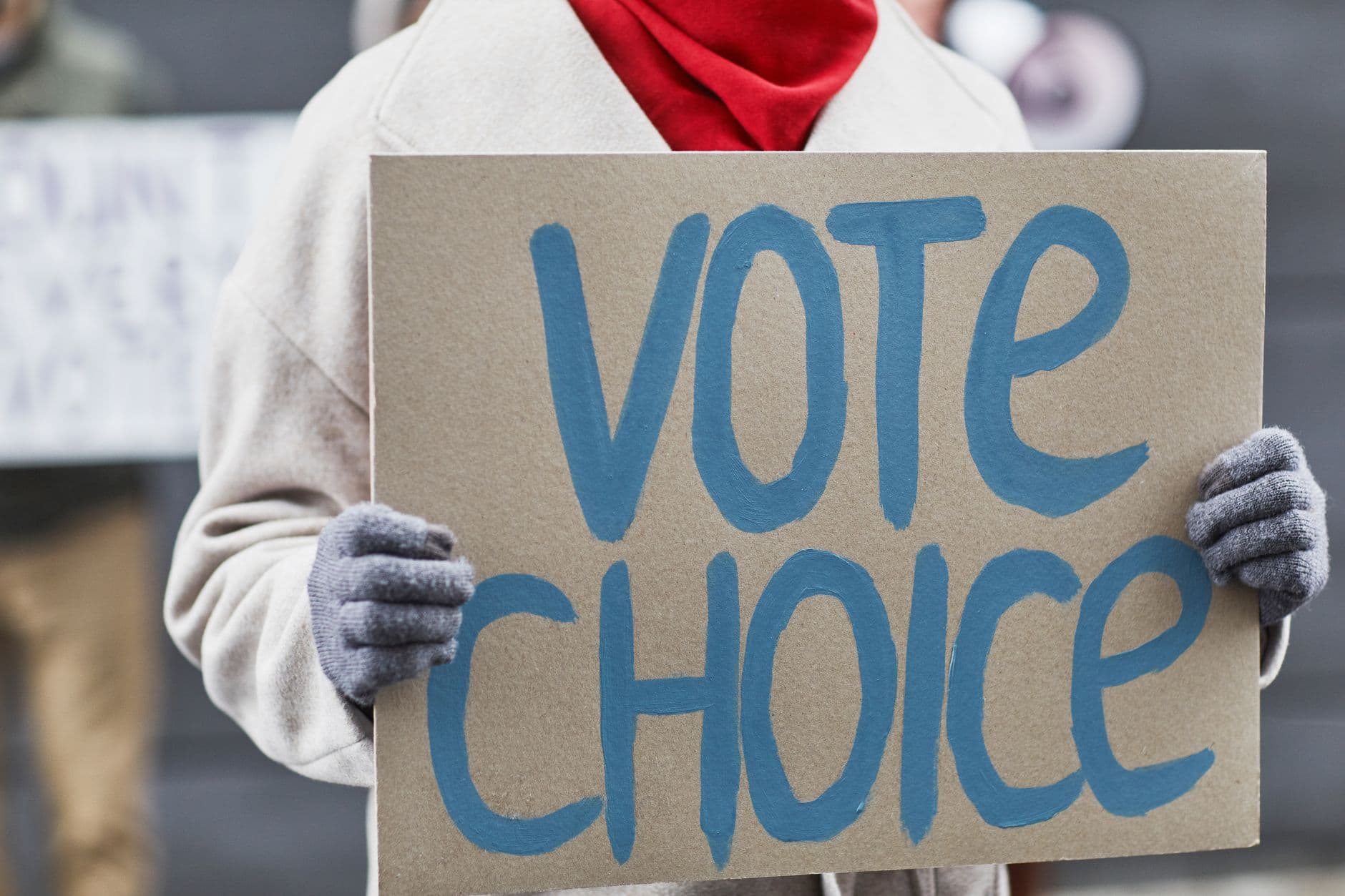
UK to block TikTok and Snapchat for under-16s in 2027
TikTok, Snapchat and other major platforms will be barred from under-16s in Spring 2027, with tougher limits on livestreaming and stranger contact also planned.
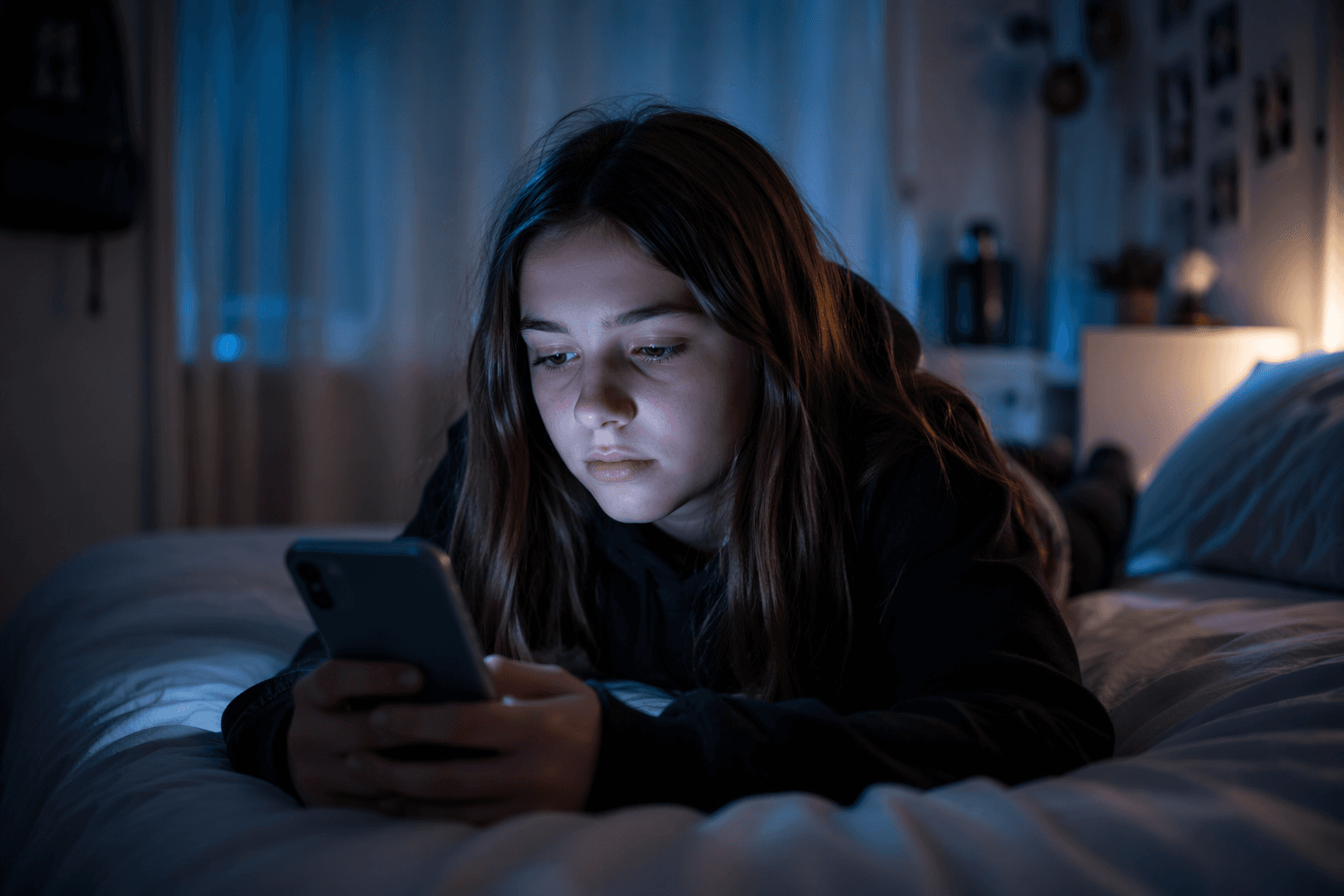
TikTok, Snapchat and other major social media platforms will be barred from offering services to UK users under 16 when new protections take effect in Spring 2027. The government says legislation will go before Parliament before Christmas 2026, putting the country on a path to one of its most sweeping child-safety interventions online.
The planned ban is expected to cover Snapchat, TikTok, YouTube, Instagram, Facebook and X. Messaging services such as WhatsApp and Signal are not intended to be included, a distinction that matters for families, schools and tech firms trying to work out where the new line will be drawn.
Ministers say the policy will not stop at a simple age bar. The UK government plans additional restrictions on livestreaming and on strangers communicating with children under 16, and those limits would also apply to a wider range of online services, including gaming sites. Officials are also looking more closely at overnight curfews and breaks in infinite scrolling, with fuller detail promised in July.
Prime Minister Keir Starmer has framed the move as an effort to give children their childhood back and protect them online. The government says the proposal is backed by 9 in 10 parents and drew nearly 30,000 responses from parents and children during the consultation period, which opened on 2 March 2026 and closed on 26 May 2026.
The case for action rests on how deeply social media already reaches young teenagers. Ofcom’s 2025 research found that 95% of 13- to 15-year-olds use social media, 96% have their own profile and 97% own a mobile phone. The House of Commons Library said the debate has been shaped by concerns over cyberbullying, pornography, self-harm, suicide, eating-disorder content, hateful material and violent content.
At the same time, critics have warned that a blanket ban could push young people into less regulated corners of the internet or create unintended consequences for marginalised groups and for teenagers preparing for life online. That tension is central to the policy’s next phase, as the government tests restrictions in the real world.
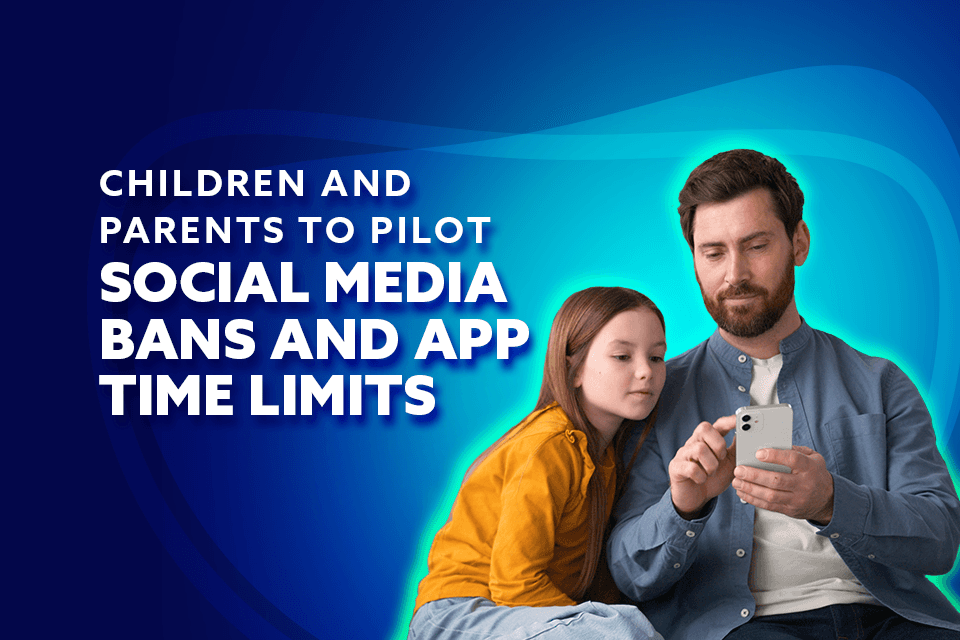
For now, ministers are already running pilot trials in 300 teenage homes, using social media bans, time limits and digital curfews to assess effects on sleep, family life and schoolwork. The coming months will determine whether those experiments become a model for enforcement, or expose the limits of trying to police childhood on platforms built to keep users scrolling.
This article was produced by Prism’s automated news system from verified source data, official records, and press releases, then run through automated quality and moderation checks before publishing. The system is built and supervised by the people who set the standards it runs under. Read our full AI policy.
Know something we missed? Have a correction or additional information?
Submit a Tip