UK unemployment rises to 5%, vacancies hit five-year low
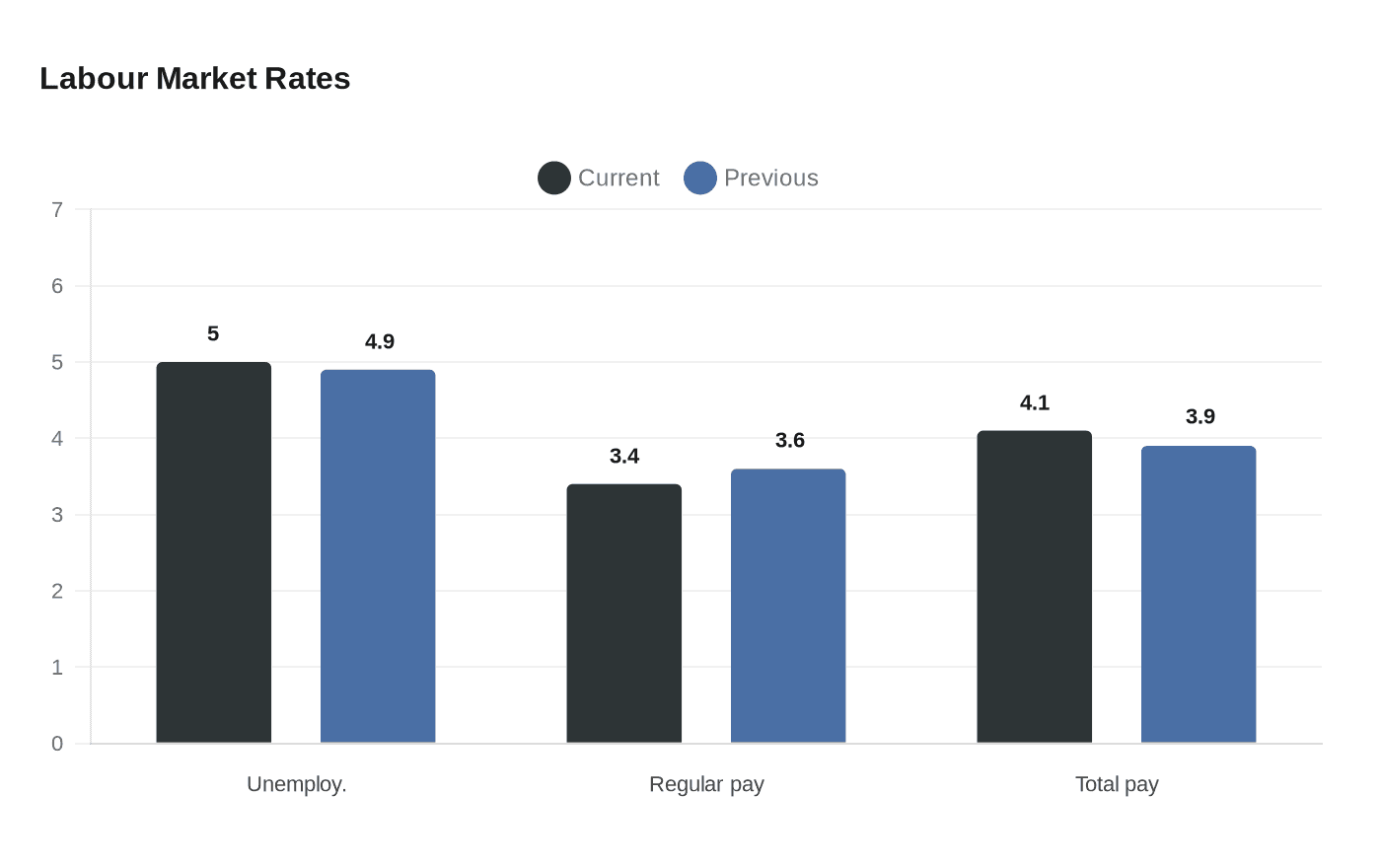
UK unemployment climbed to 5.0% as vacancies sank to 711,000, the weakest labor-market reading in five years.
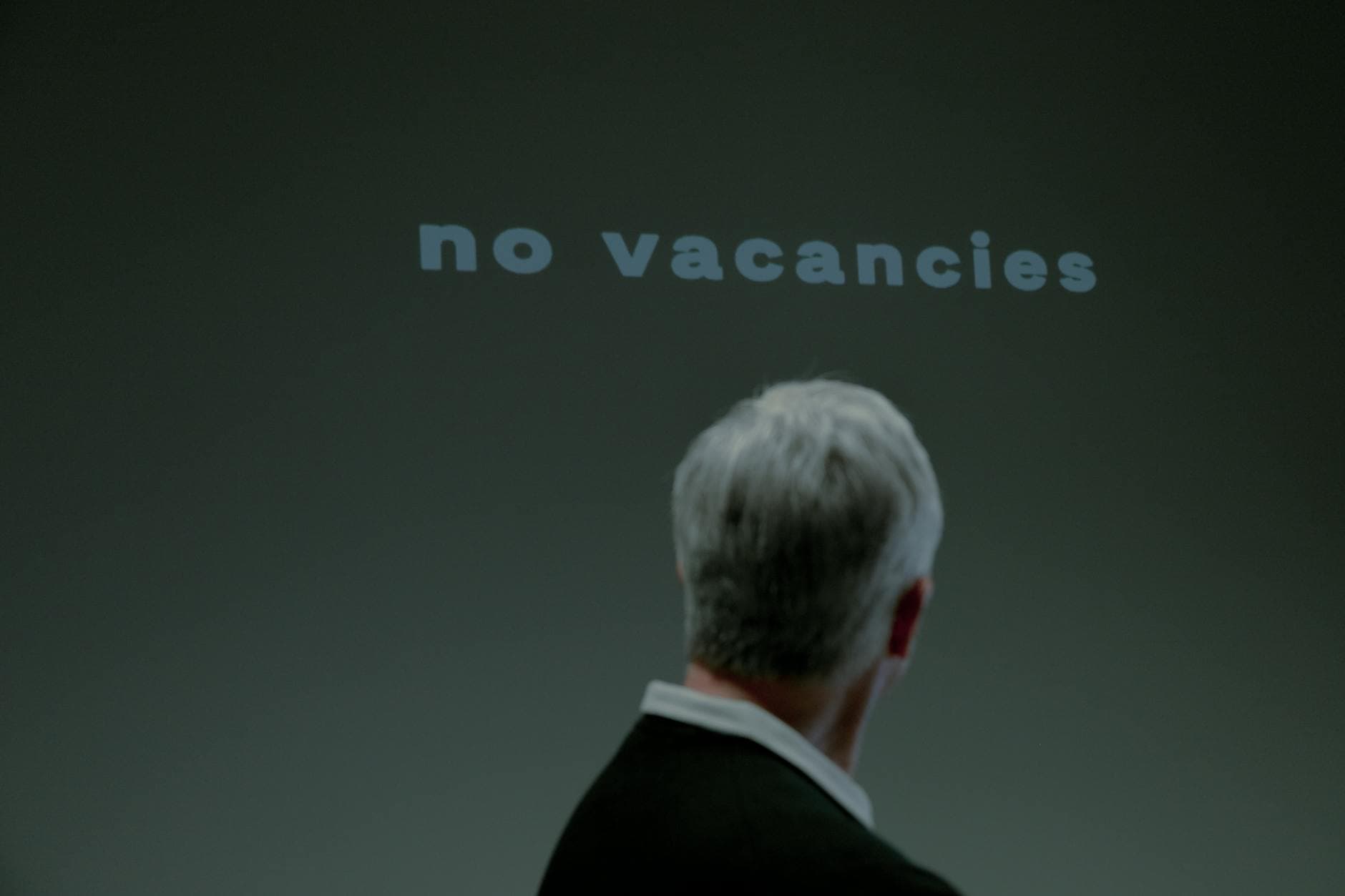
Rising unemployment and a sharp drop in vacancies are showing up first in the parts of Britain’s economy most exposed to weaker consumer demand, with hospitality and retail taking the hardest hit. The Office for National Statistics said the unemployment rate rose to 5.0% in the three months to March 2026, up from 4.9%, while job vacancies fell by 29,000 to 711,000 in January to March, the lowest level since early 2021.
The squeeze is also visible in the balance between jobseekers and openings. There were 2.5 unemployed people for every vacancy in the December 2025 to February 2026 period, unchanged from the previous quarter but still higher than a year earlier after a steady climb since mid-2024. That shift suggests hiring is cooling faster than the pool of people looking for work is shrinking.
Pay growth slowed as the labour market softened. Regular earnings rose 3.4% excluding bonuses in the three months to March, down from 3.6%, while total pay including bonuses increased 4.1%, up from 3.9%. The mixed pay picture shows employers are still lifting overall compensation, but more cautiously on base wages.
A further sign of strain came from payroll data. The ONS estimated the number of workers on UK payrolls fell by 100,000 in April 2026, the biggest monthly drop since May 2020, taking payroll employees to 30.2 million in the early estimate. The office cautioned that April figures are provisional and likely to be revised, but the scale of the fall will add to concerns that hiring is weakening beyond a single month.
Most economists had expected unemployment to hold steady, making the rise to 5.0% a negative surprise. The ONS said the labour market remained soft, with vacancies at their lowest level in five years and unemployment higher than a year ago. That combination points to an economy losing momentum in the sectors most sensitive to spending, particularly hospitality and retail, where vacancies and payroll numbers saw some of the largest falls.
The data do not yet show a collapse in employment, and the latest payroll estimate is still subject to revision. But the direction is clear: fewer vacancies, slower pay growth and a rising jobless rate suggest Britain’s labour market is moving from a period of resilience into a broader slowdown, with the earliest pressure now reaching households rather than staying confined to markets.
This article was produced by Prism’s automated news system from verified source data, official records, and press releases, then run through automated quality and moderation checks before publishing. The system is built and supervised by the people who set the standards it runs under. Read our full AI policy.
Did this article answer your question?

%3Amax_bytes(150000)%3Astrip_icc()%2FCertificate-of-deposit-2301f2164ceb4e91b100cb92aa6f868a.jpg&w=1920&q=75)
