UK weighs voluntary price caps on eggs, bread and milk
Voluntary caps on eggs, bread and milk could shave a little off the weekly shop, but food inflation is still running at 3.7% and retailers say the cost pressures run deeper.
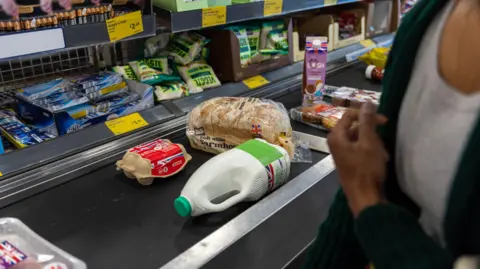
Voluntary price caps on eggs, bread and milk would target the items that still anchor nearly every household basket, but the larger question is whether supermarkets would actually cut bills or simply spread the cost elsewhere.
The proposal under discussion would be voluntary, not compulsory, and would focus on a handful of staple groceries. That matters because food inflation is still biting: the Office for National Statistics said food and non-alcoholic beverage prices rose 3.7% in the 12 months to March 2026, up from 3.3% in February. The Bank of England, in its April 2026 Monetary Policy Report, said food prices remained an important part of the inflation outlook.
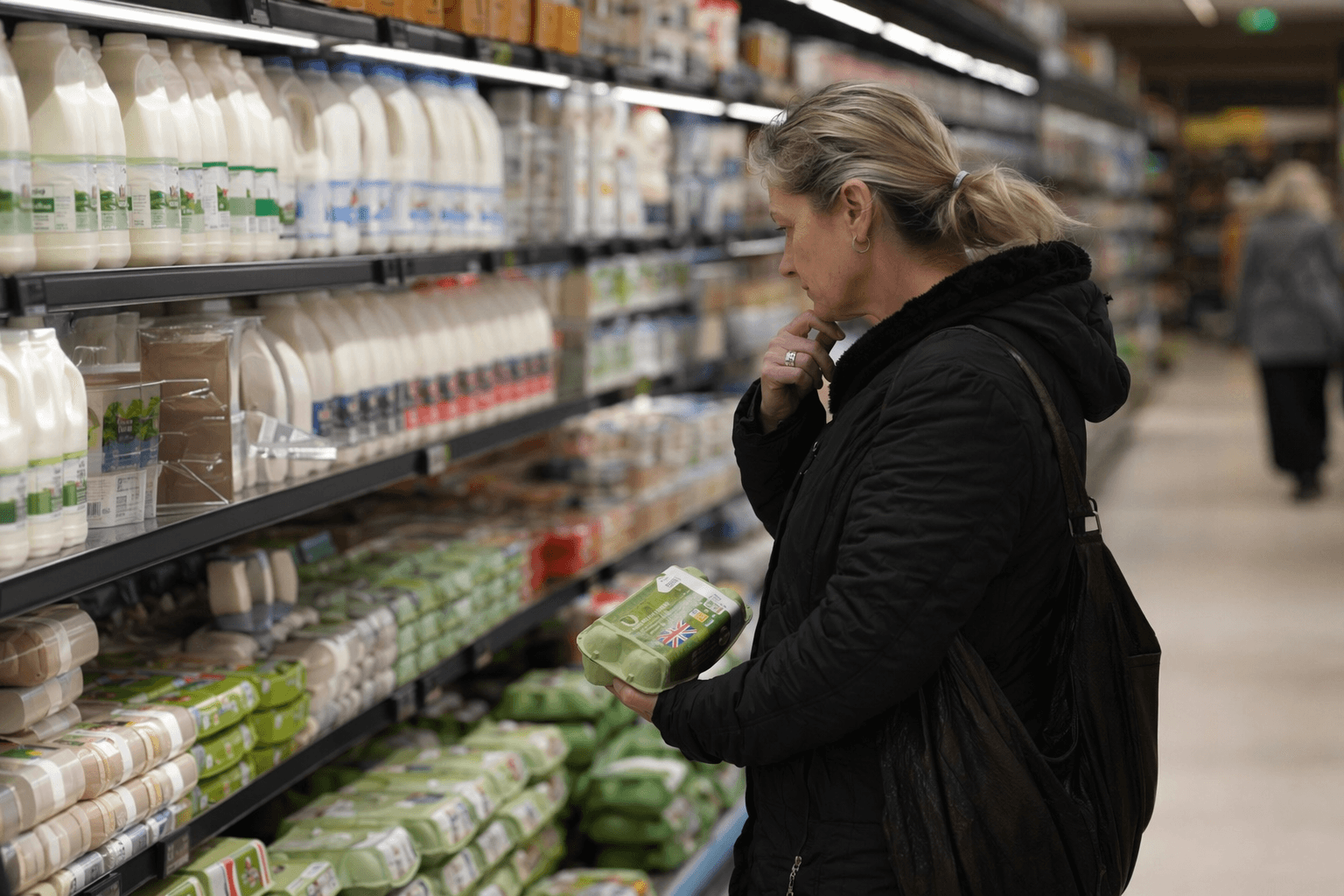
The pressure is not falling evenly. A Competition and Markets Authority review said persistently high food prices have been driven by a mix of shocks, including the pandemic, the war in Ukraine, energy and fuel costs, labour shortages, exchange rates, climate shocks and avian influenza. It also said lower-income households have been hit hardest, with people buying less food and referrals to food banks rising. That is why even a modest cut on staples such as eggs, bread and milk carries political weight.
There is precedent for the idea. In May 2023, ministers discussed an opt-in scheme that would have encouraged major retailers to offer lower prices on staples, with then-health secretary Steve Barclay saying there would be no compulsion. The plan was modelled on a similar arrangement in France, and at the time was billed as one of the biggest state interventions on pricing since the 1970s. The current thinking appears narrower and more cautious: a nudge to supermarkets, not a formal cap imposed by law.
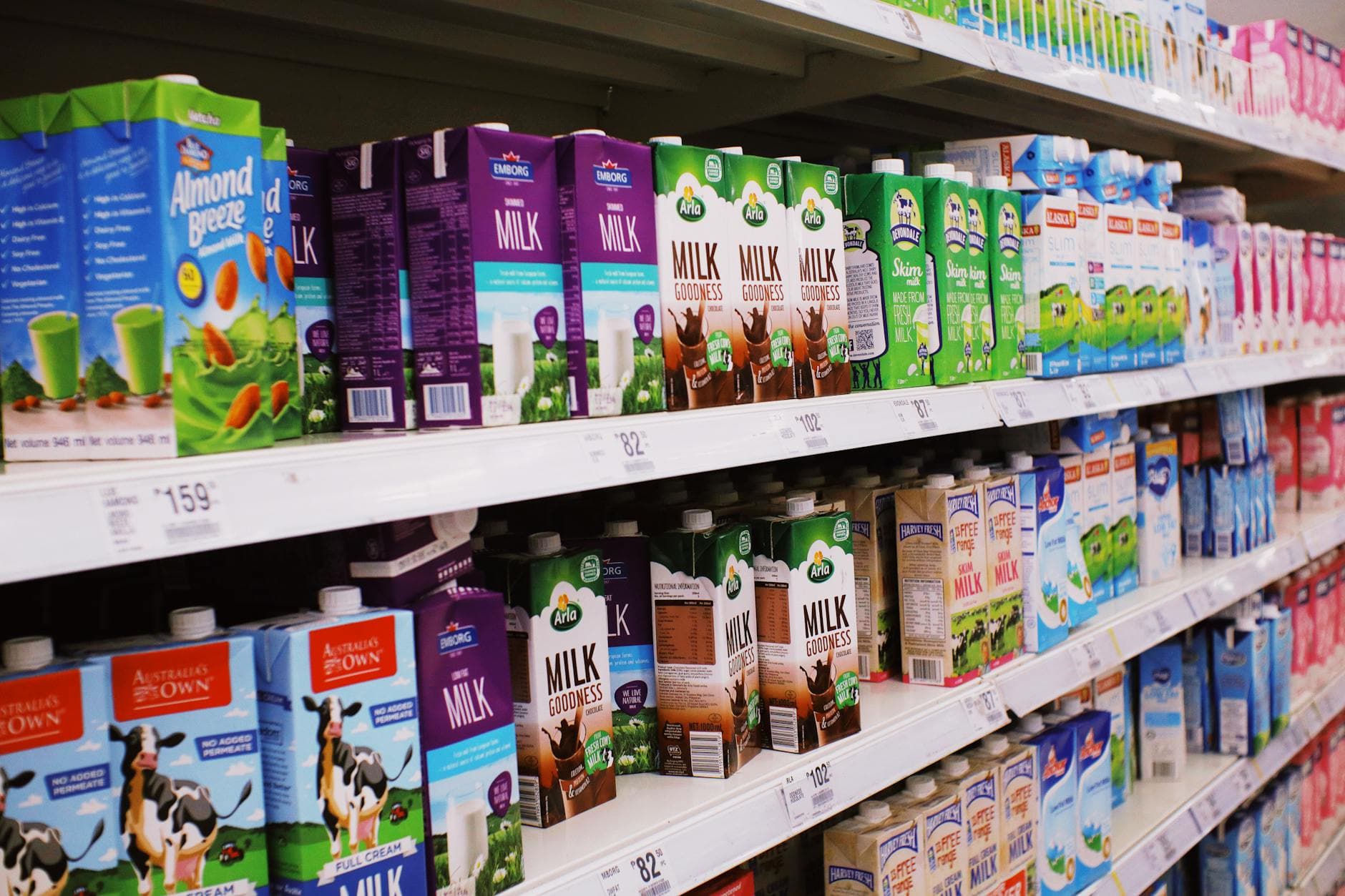
Retailers have long argued that food prices are being driven by wider cost pressures rather than profiteering. The British Retail Consortium has said energy, transport, labour and supplier costs are still feeding through the system, while supermarkets operate on very slim margins. That suggests any voluntary cap could be limited in scope, with chains able to choose which items to discount and how long to keep them down. For households, that means the relief may be real but shallow, especially if savings on a few staples are offset by higher prices elsewhere in the trolley.

The issue is sharpened further in Scotland, where SNP leader John Swinney said in April 2026 that supermarket price-cap legislation would be introduced before the end of 2026 if his party returned to government. He also said talks with stakeholders would begin within days of any victory. Supermarket and industry groups have pushed back against statutory caps, underscoring the divide between a voluntary approach and direct price control. For now, the policy debate rests on a basic test: whether a promise from retailers can do much more than provide the appearance of action.
Know something we missed? Have a correction or additional information?
Submit a Tip