U.S. probes Chinese shipping container makers over alleged supply squeeze
U.S. investigators are examining whether a small group of Chinese makers restricted container output before COVID-19, worsening the shipping crunch that followed.
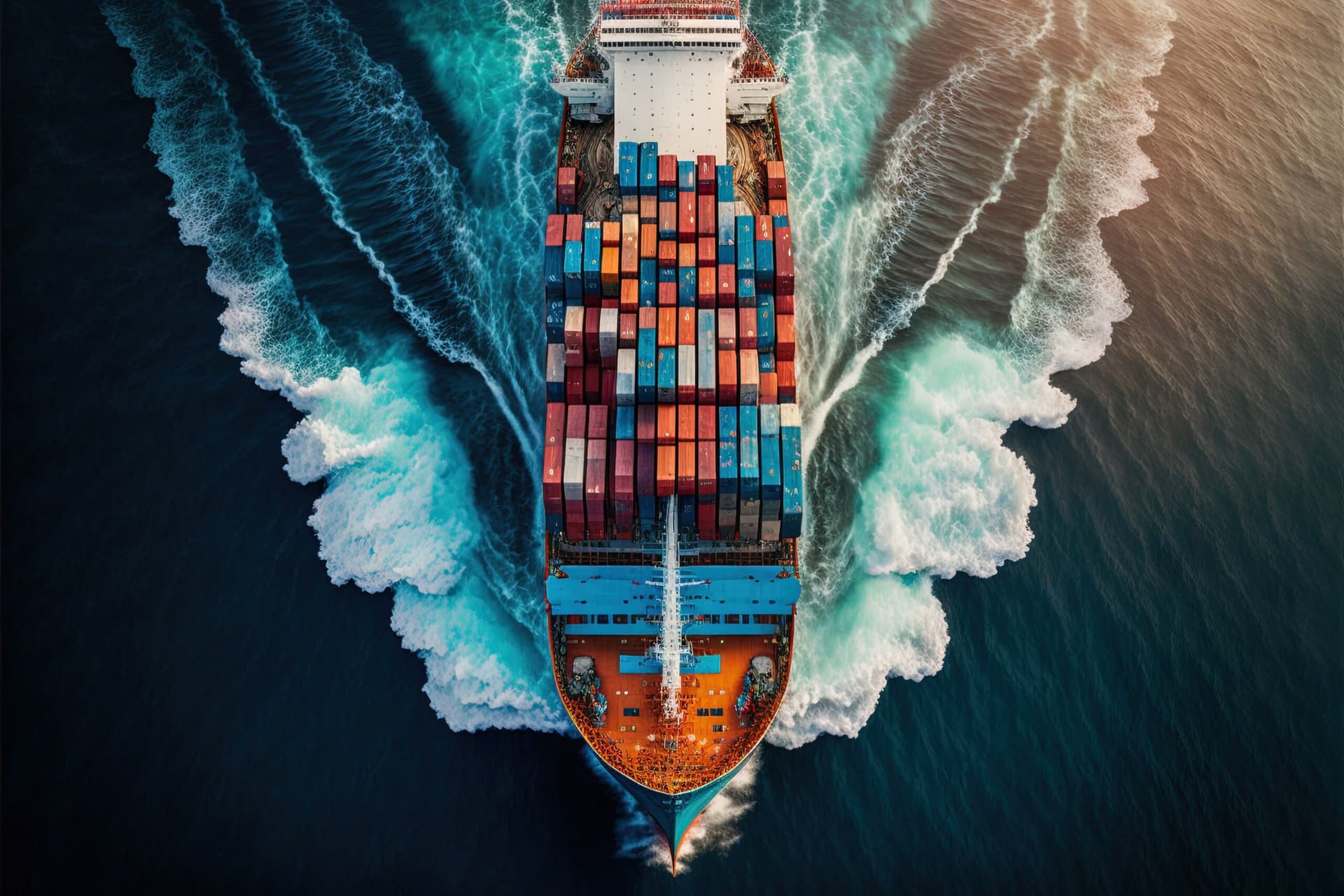
A handful of Chinese companies that dominate the world’s supply of unrefrigerated shipping containers are under U.S. scrutiny over allegations they slowed production before the pandemic, a move investigators believe helped tighten supply and lift prices just as global trade was entering chaos.
Sources familiar with the probe say the firms restricted employee working hours in late 2019, before the first cluster of COVID-19 cases was reported in China in December 2019 and the outbreak spread globally in early 2020. That timing has drawn attention because the U.S. International Trade Commission later said the number of shipping containers in circulation in the second half of 2020 was not enough to meet storage needs or the surge in import demand, after an unexpected rebound shocked the distribution system.
The case lands in a market already defined by extreme concentration. In a March 2022 report, then-Federal Maritime Commissioner Carl Bentzel identified China International Marine Containers, or CIMC, Dong Fang and CXIC as the top three global manufacturers. Bentzel said Chinese companies led by state-owned CIMC produced an estimated 82% of containers worldwide, while figures from the China Container Industry Association cited in the report put Chinese output at more than 95% of the global total. His report also said three Chinese manufacturers controlled more than 86% of the world’s intermodal chassis supply.
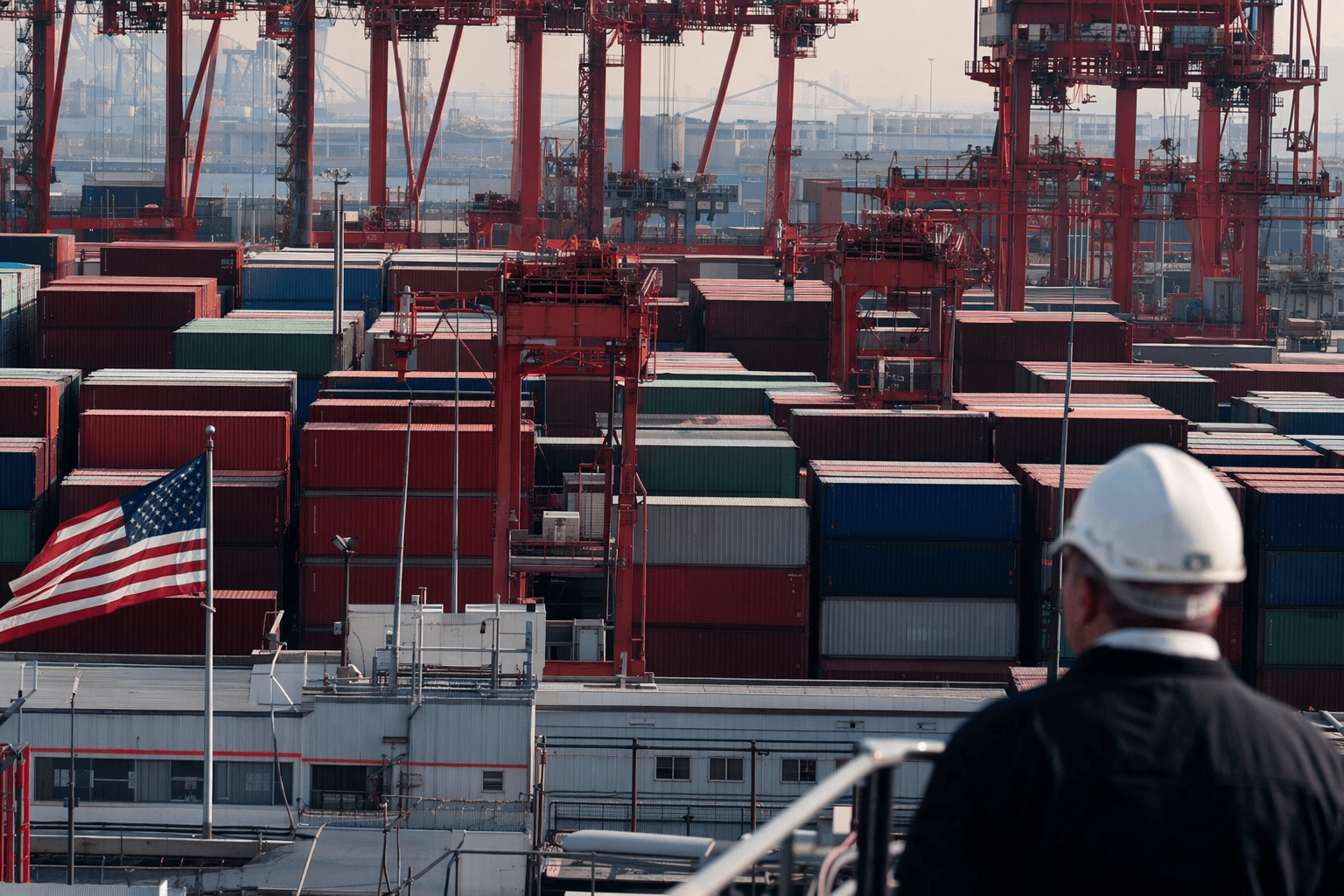
That level of concentration has long worried U.S. officials, who see the container market as a supply-chain vulnerability with economic and security implications. In January 2025, a separate U.S. trade investigation said China controlled 95% of global shipping container production and 86% of intermodal chassis supply, adding that Beijing has pursued a long-term strategy to dominate maritime, logistics and shipbuilding through targeted industrial policy and unfair advantages. In June 2024, lawmakers called for Congress to study China’s monopoly over shipping container production in the annual defense bill.
The probe also comes amid intensifying U.S.-China tensions. Sources said the Trump administration sought to keep the case out of public view until after Donald Trump’s visit to Beijing. One container manufacturing executive was detained in France about three weeks ago and remains in custody pending possible extradition to the United States, while several Chinese executives have been indicted, the sources said. The Justice Department did not immediately comment.
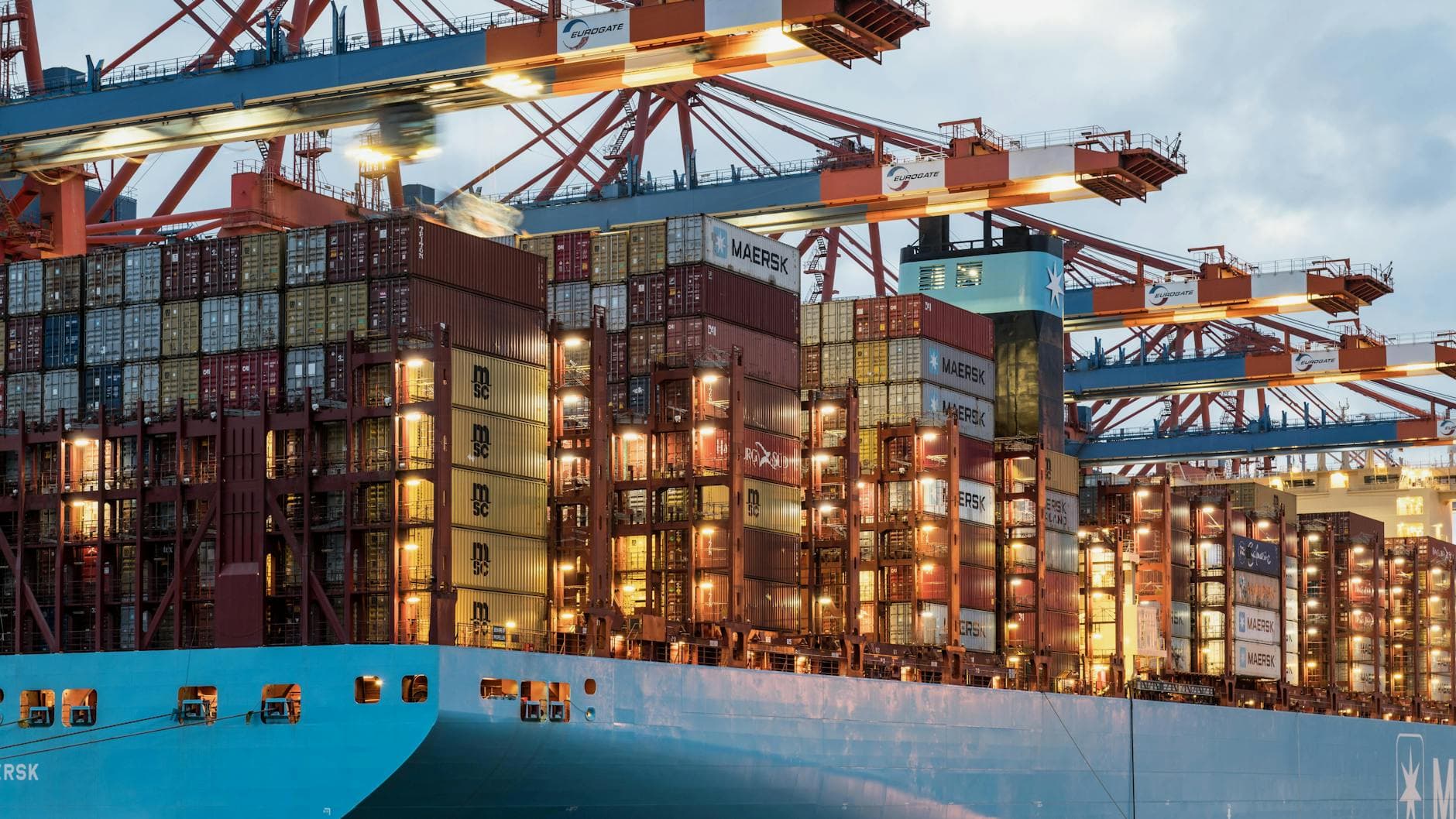
For U.S. retailers, exporters and consumers, the issue reaches beyond one industry: it goes to whether a critical piece of global trade infrastructure was already fragile before the pandemic and made more exposed by decisions made inside a market controlled by so few overseas suppliers.
Know something we missed? Have a correction or additional information?
Submit a Tip