Ukraine drone strikes force sharp cut in Russia oil output
Drone strikes and a pipeline shutdown forced Russia to slash April oil output by as much as 400,000 barrels a day, squeezing Kremlin war revenue and global fuel markets.
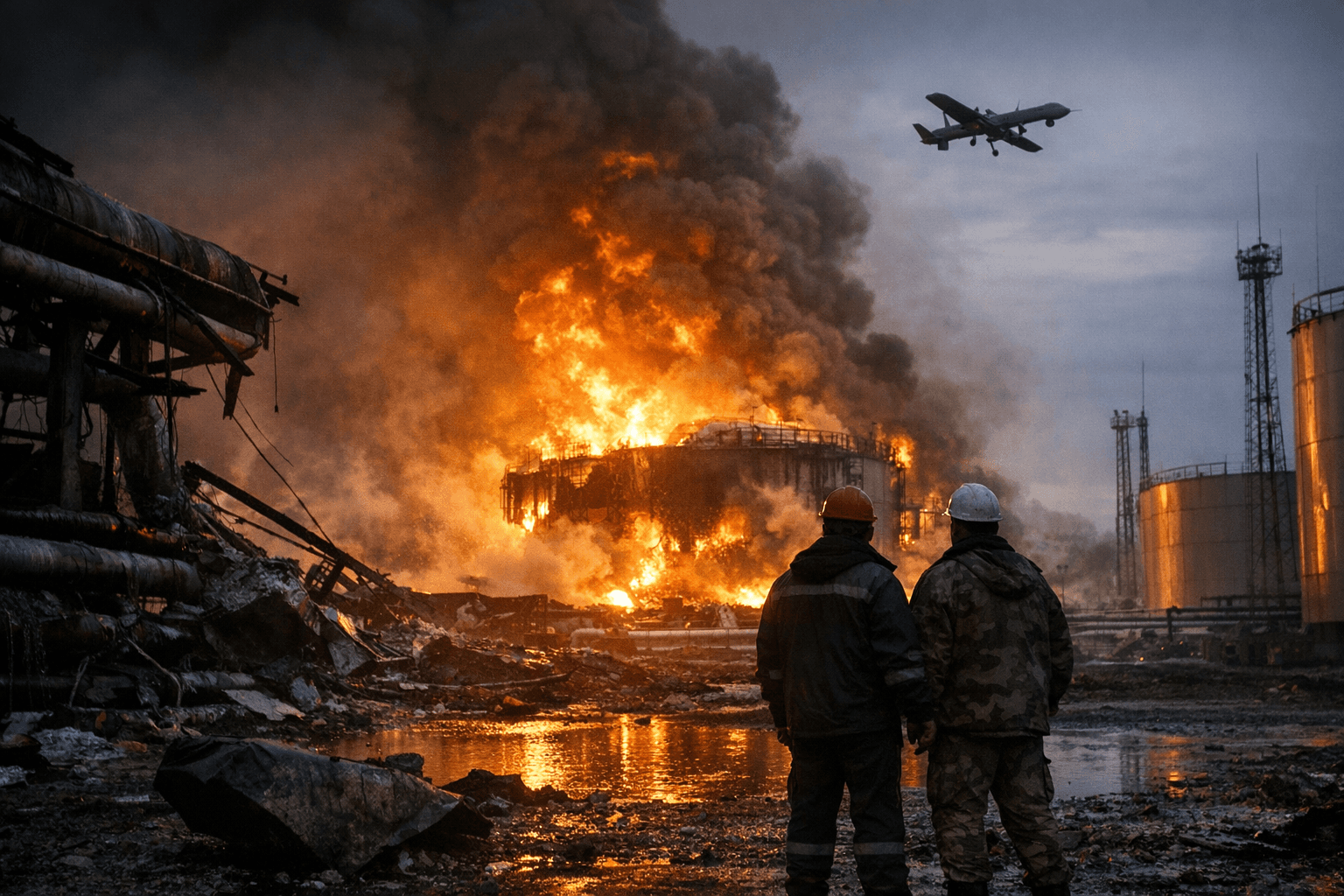
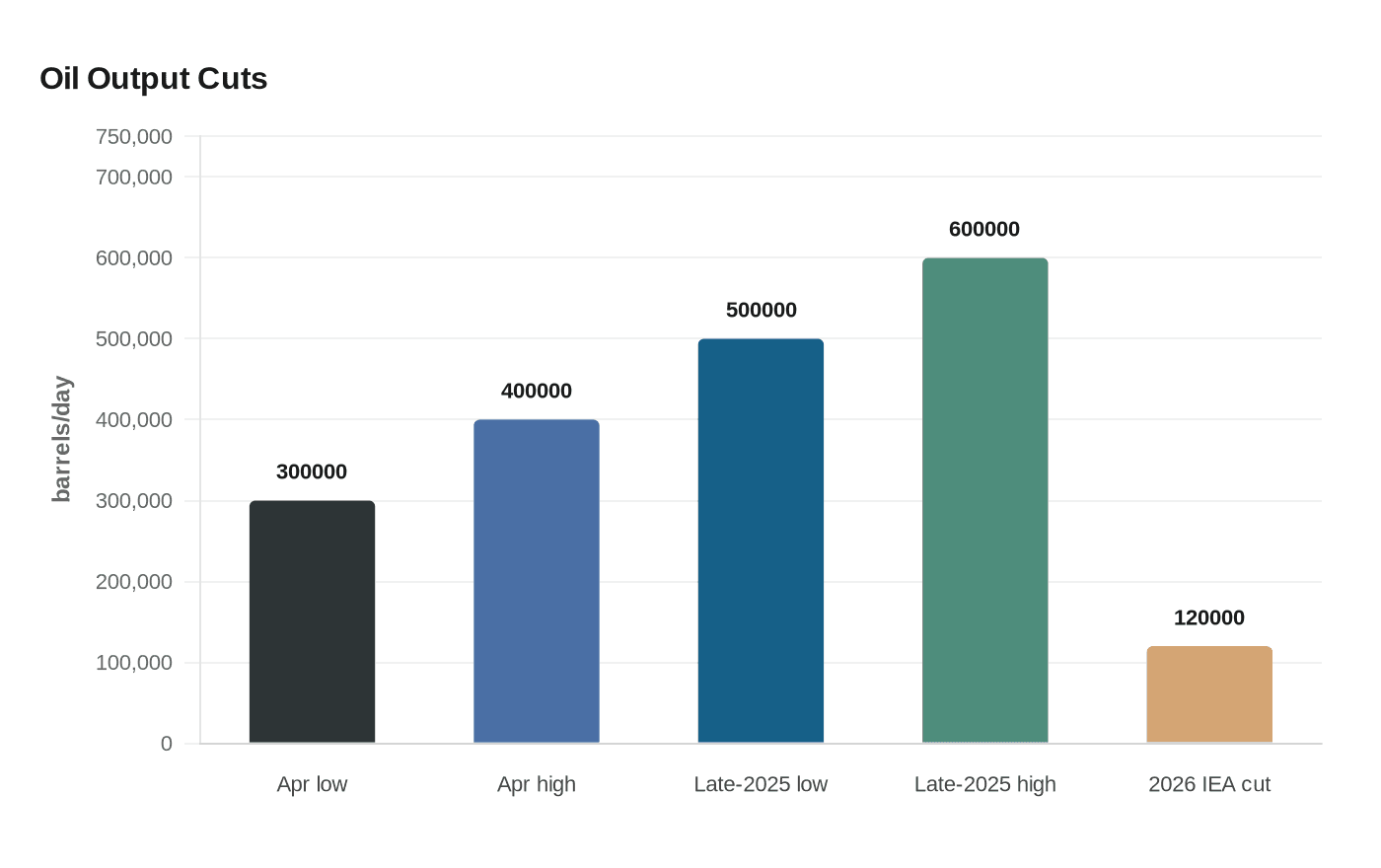
Ukraine's attacks on Russian ports, refineries and pipeline links forced Moscow to cut oil output in April, with production down an estimated 300,000 to 400,000 barrels a day from the average in the first months of the year. Versus late-2025 levels, the drop could reach 500,000 to 600,000 barrels a day, a hit large enough to rank among Russia's sharpest monthly declines in six years, since the pandemic-era shock.
The damage has landed on the infrastructure that turns crude into cash. A drone attack on Tuapse, Russia's Black Sea export hub, killed at least one person on April 20 and sparked fires at an oil export terminal linked to a major Rosneft refinery. Separately, crude flows through the Druzhba route to Hungary and Slovakia have been offline since January 27 after damage to infrastructure in western Ukraine. Volodymyr Zelenskiy said on April 20 that repairs could be finished by the end of April, but the outage has left Hungary and Slovakia, the pipeline's most exposed EU customers, scrambling for supply.
The pressure is not just tactical. The International Energy Agency cut its projection for Russia's oil supply by 120,000 barrels a day for the rest of 2026 because of attacks on refineries and port infrastructure, underscoring how persistent physical strikes are now shaping output forecasts. One source said oil would be hard to place without cutting production, especially with spring maintenance shutdowns approaching. Russia's energy ministry declined to comment, and Moscow has classified oil production data since 2022 on national security grounds, making independent checks harder.
For the Kremlin, the timing is costly. Oil remains the backbone of state finances and a key source of war funding, so every barrel lost means less revenue just as military spending stays elevated. For the United States, the significance runs through the global oil market: sustained outages in Russia can tighten refined product supplies and add pressure to gasoline and diesel prices, which can feed inflation. The episode also shows how modern warfare now reaches far beyond the front line. A successful strike on a terminal or pipeline can do what sanctions and price caps alone cannot by physically choking the flow of crude from the ground to market.
This article was produced by Prism’s automated news system from verified source data, official records, and press releases, then run through automated quality and moderation checks before publishing. The system is built and supervised by the people who set the standards it runs under. Read our full AI policy.
Did this article answer your question?