Ukraine drone strikes trigger Russia's worst fuel shortages in years
Fuel rationing spread to more than 40 Russian regions as Ukraine’s strikes hit an Omsk refinery 2,700 km from Ukrainian-held territory, squeezing drivers and harvests.
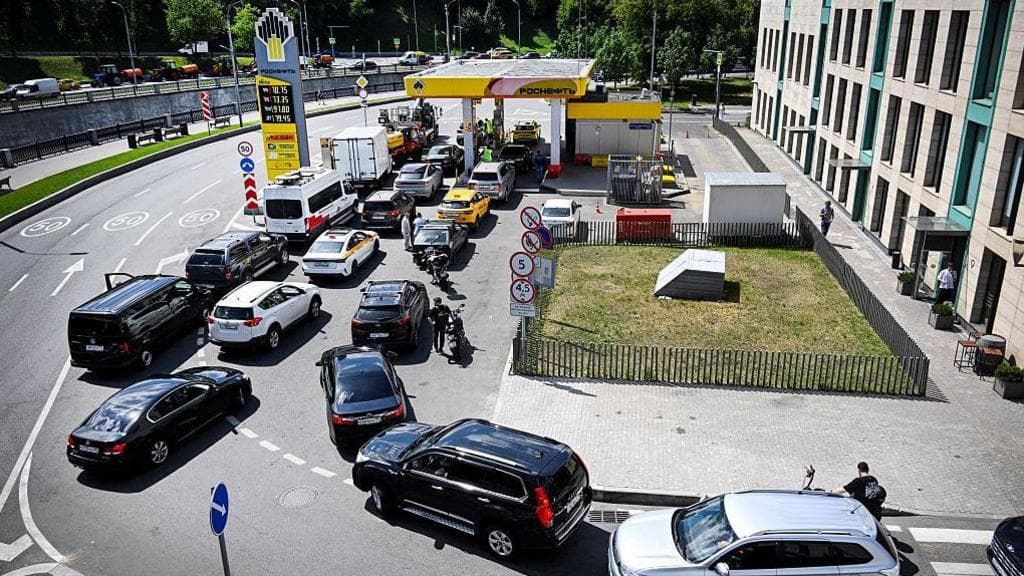
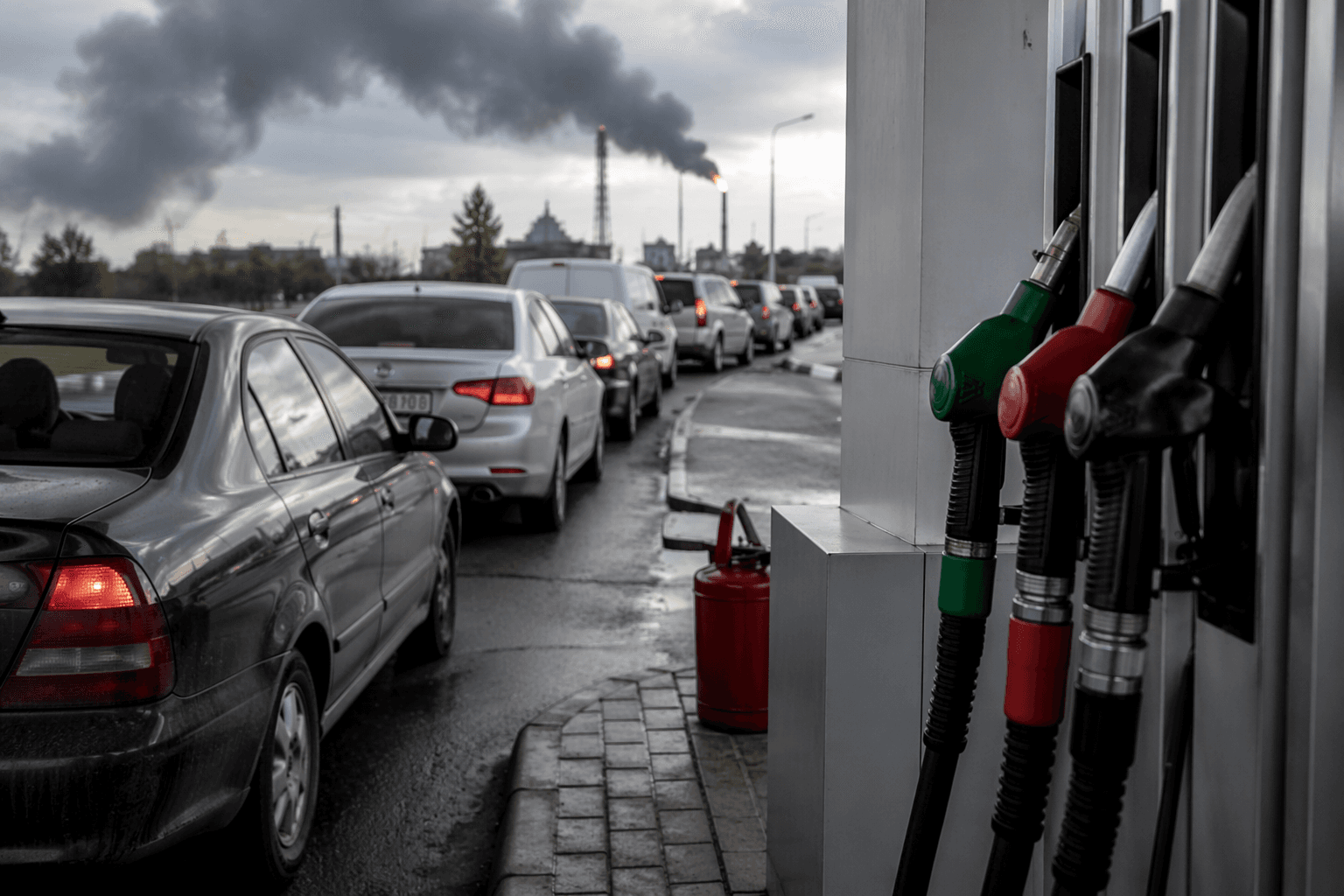
Ukraine’s drone campaign against Russia’s oil system has pushed fuel rationing into more than 40 regions, with at least 17 imposing mandatory limits on gasoline and diesel sales. In Moscow, Kursk and Bryansk, drivers were being allowed to buy fuel only when it was poured directly into vehicle tanks, while filling jerry cans was banned. Sales were often capped at about 20 to 30 litres per vehicle, and the shortage has hit AI-92 and AI-95 gasoline hardest, with diesel still more available. Queues formed at gas stations in Moscow and other regions as the restrictions spread.
The pressure has reached far beyond the capital. Regional authorities in parts of the Far East introduced preventive rationing, and farmers in Russia’s grain belt warned that the fuel crunch could disrupt the summer harvest. The shortages have become a logistical problem as much as a political one, cutting into daily travel, farm work and the delivery of goods across Russia’s vast territory.
The latest strain sharpened after Ukraine struck the Omsk refinery on July 6, 2026. The Gazpromneft-owned plant processed around 23 million metric tons last year, or roughly 460,000 barrels a day, and is about 2,700 km from Ukrainian-held territory. Earlier drone strikes also shut the Lukoil-Nizhegorodorgsintez refinery in Kstovo, in Nizhny Novgorod Oblast, one of Russia’s fourth-largest refineries and a major gasoline producer.

Vladimir Putin acknowledged on June 29, 2026 that Russia faced a “certain deficit” of fuel and said the Kremlin would strengthen protection of oil facilities and boost output. Moscow is also weighing additional measures, including a possible ban on diesel exports.
This article was produced by Prism’s automated news system from verified source data, official records, and press releases, then run through automated quality and moderation checks before publishing. The system is built and supervised by the people who set the standards it runs under. Read our full AI policy.
Did this article answer your question?