Ukraine drones strike Tyumen oil refinery deep inside Russia
A strike 2,000 km inside Russia put Tyumen’s oil refinery in Ukraine’s sights and signaled drones built to fly more than 3,000 km.

Ukrainian drones reached the Tyumen oil refinery in western Siberia, more than 2,000 kilometers from Ukraine, in a strike that showed how far Kyiv’s drone campaign had extended into Russia’s energy system. Volodymyr Zelenskyy said Ukraine had also developed new long-range drones capable of operating more than 3,000 kilometers, a range that puts major industrial sites deep inside Russia within reach.
Tyumen regional governor Aleksandr Moor said the alleged UAV attack had been repelled, emergency services were working where debris fell, and early reports indicated the plant was not damaged. He said employees were evacuated. The facility, widely identified as the Antipinsky Oil Refinery, is one of Russia’s largest private refineries, with reported annual processing capacity of about 8 million to 9 million metric tons of crude oil.
The refinery’s output makes it strategically valuable as well as vulnerable. It produces gasoline, diesel, fuel oil, bitumen, petroleum coke and other petroleum products, placing it at the center of a network that feeds Russian transport, industry and military logistics. A strike there, even if limited in physical damage, underscores a wider campaign aimed at refining capacity rather than only front-line military assets.
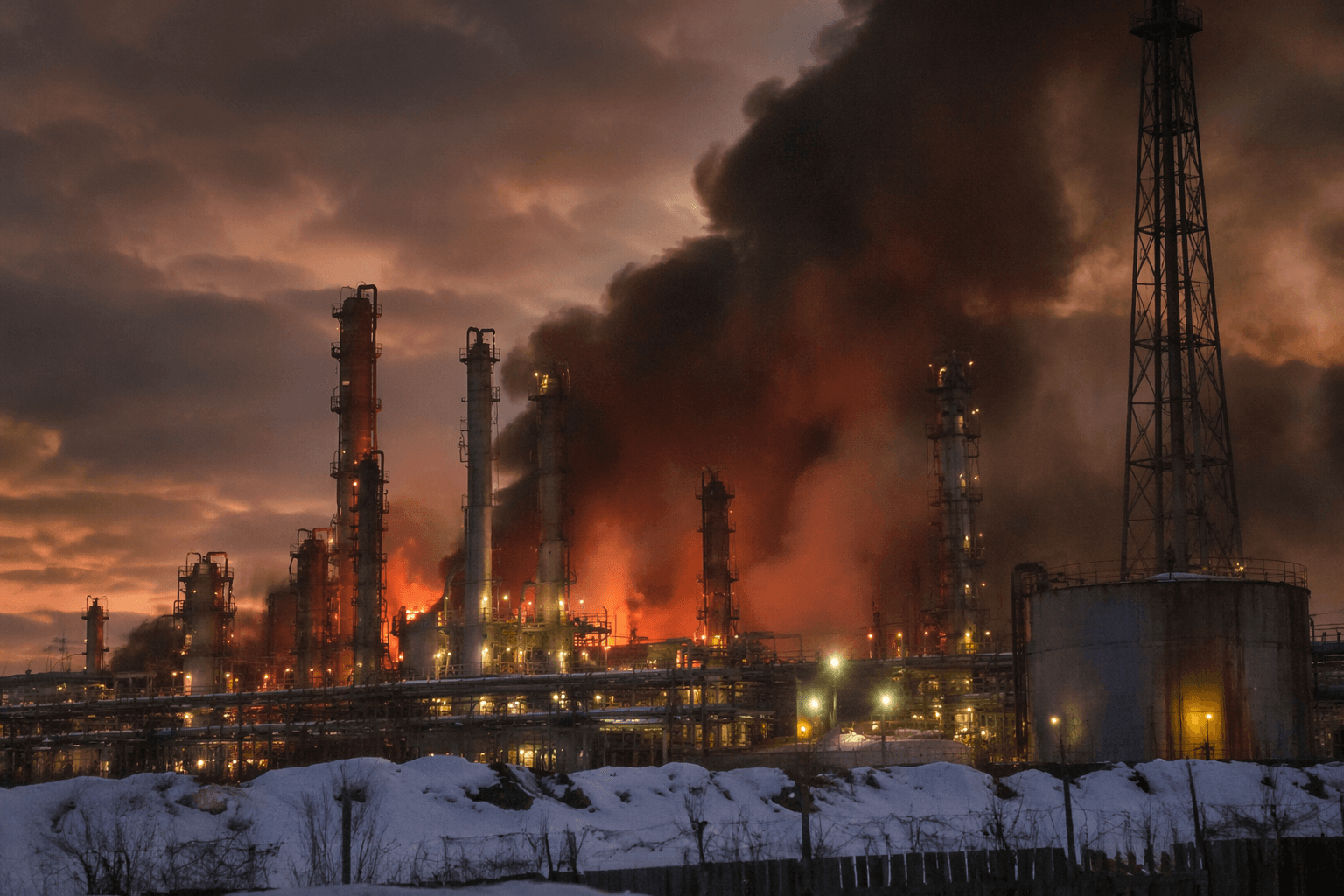
That campaign has accelerated sharply. Recent reporting showed Ukraine was launching an average of 200 to 300 drones against targets in Russian territory every night, up from only a few dozen a month in early 2024. The scale matters: sustained drone pressure forces Russia to spend more on air defenses, repair work and emergency response, while stretching the reach of Ukraine’s domestic production.
The Tyumen strike also landed as pressure on Russia’s fuel market has grown. Reports have pointed to fuel shortages in multiple Russian regions and Russian-occupied territories, and Moscow has imposed a ban on kerosene exports. When refineries, depots and transport nodes come under repeated attack, the effect can ripple from wholesale supply to local shortages, raising costs and complicating distribution across a country that depends heavily on long internal supply lines.
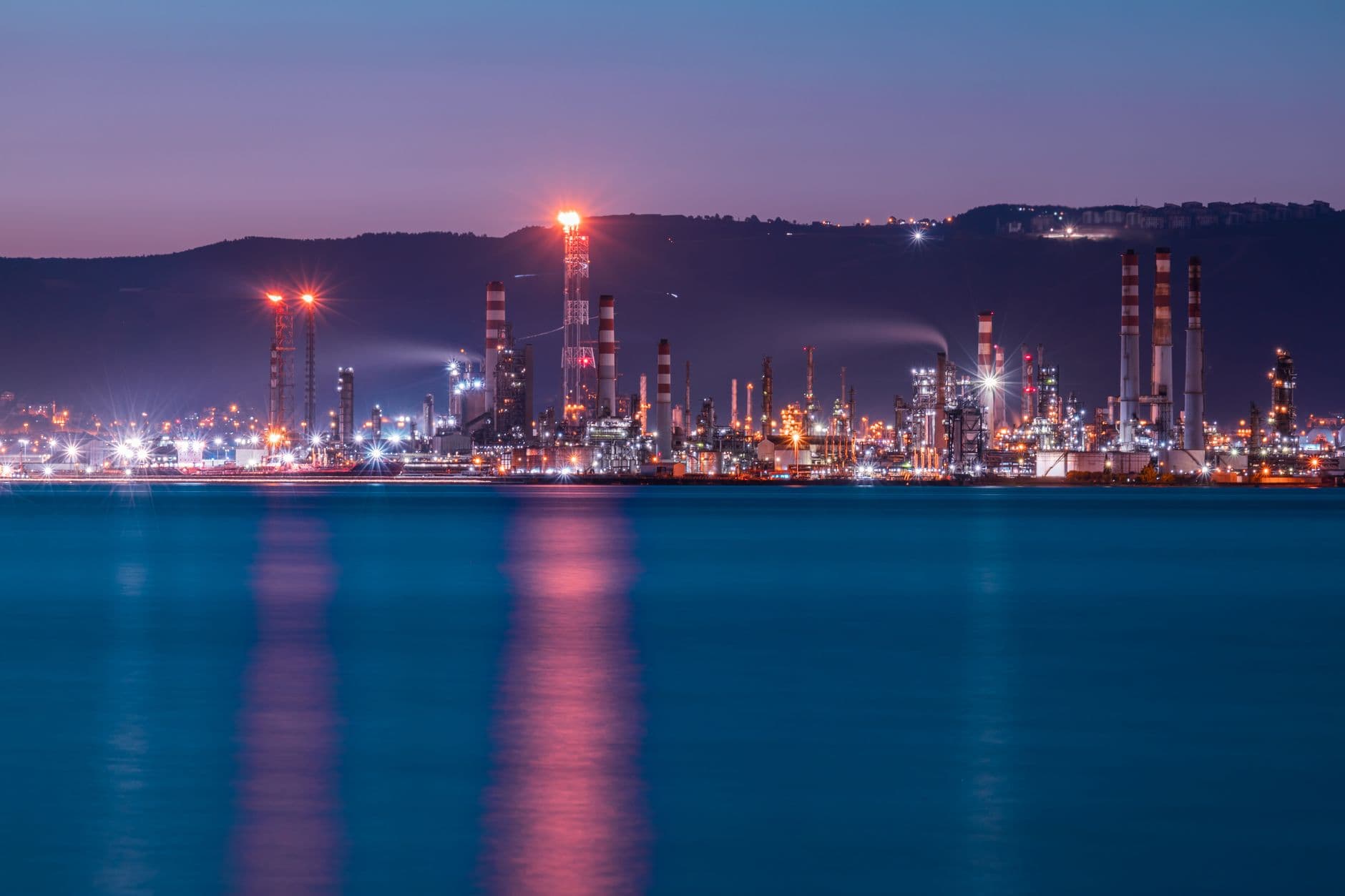
The Tyumen raid followed a sharp escalation around Moscow itself. Two days earlier, Ukrainian drones struck targets around the Russian capital, set an oil refinery on fire and forced airports to suspend flights. Residents reported black oil or “black rain” after what several outlets described as the largest Ukrainian drone attack since the start of the full-scale war.
Taken together, the strikes show a shift in the war’s economic pressure points. Ukraine is no longer only contesting the battlefield; it is trying to impose costs on Russia’s fuel refining, logistics and civilian confidence at distances once thought beyond reach.
This article was produced by Prism’s automated news system from verified source data, official records, and press releases, then run through automated quality and moderation checks before publishing. The system is built and supervised by the people who set the standards it runs under. Read our full AI policy.
Know something we missed? Have a correction or additional information?
Submit a Tip