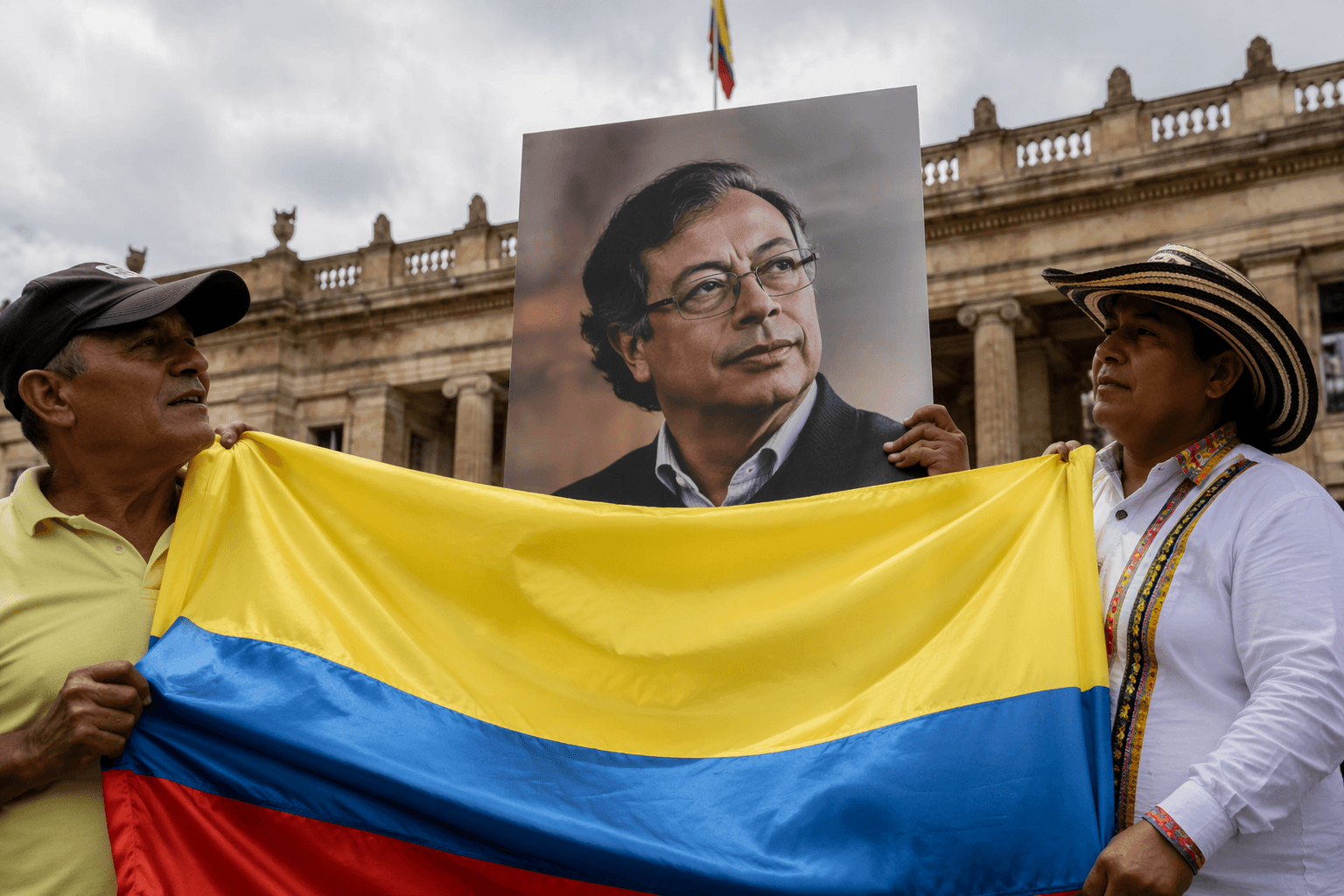
Colombia runoff pits peace talks advocate against Trump-backed hardliner
Colombia’s runoff became a test of whether voters wanted more talks or more force as violence spread and armed groups expanded. Iván Cepeda backed Petro’s peace push; Abelardo de la Espriella promised prisons, troops and a break with negotiations.

Colombia’s presidential runoff was shaped less by ideology than by fear. In a country worn down by more than six decades of internal conflict, the contest between left-wing senator Iván Cepeda and conservative outsider Abelardo de la Espriella turned into a referendum on who could restore basic safety after violence surged under Gustavo Petro’s government.
The race reflected a brutal ledger: more than 450,000 people have been killed in Colombia’s conflict, and more than 10 million Colombians have suffered the harshest forms of violence, according to AP reporting. As armed groups widened their reach, the next president faced pressure to regain territorial control while also bringing down killings, kidnappings and bombings that have returned to the center of public life.
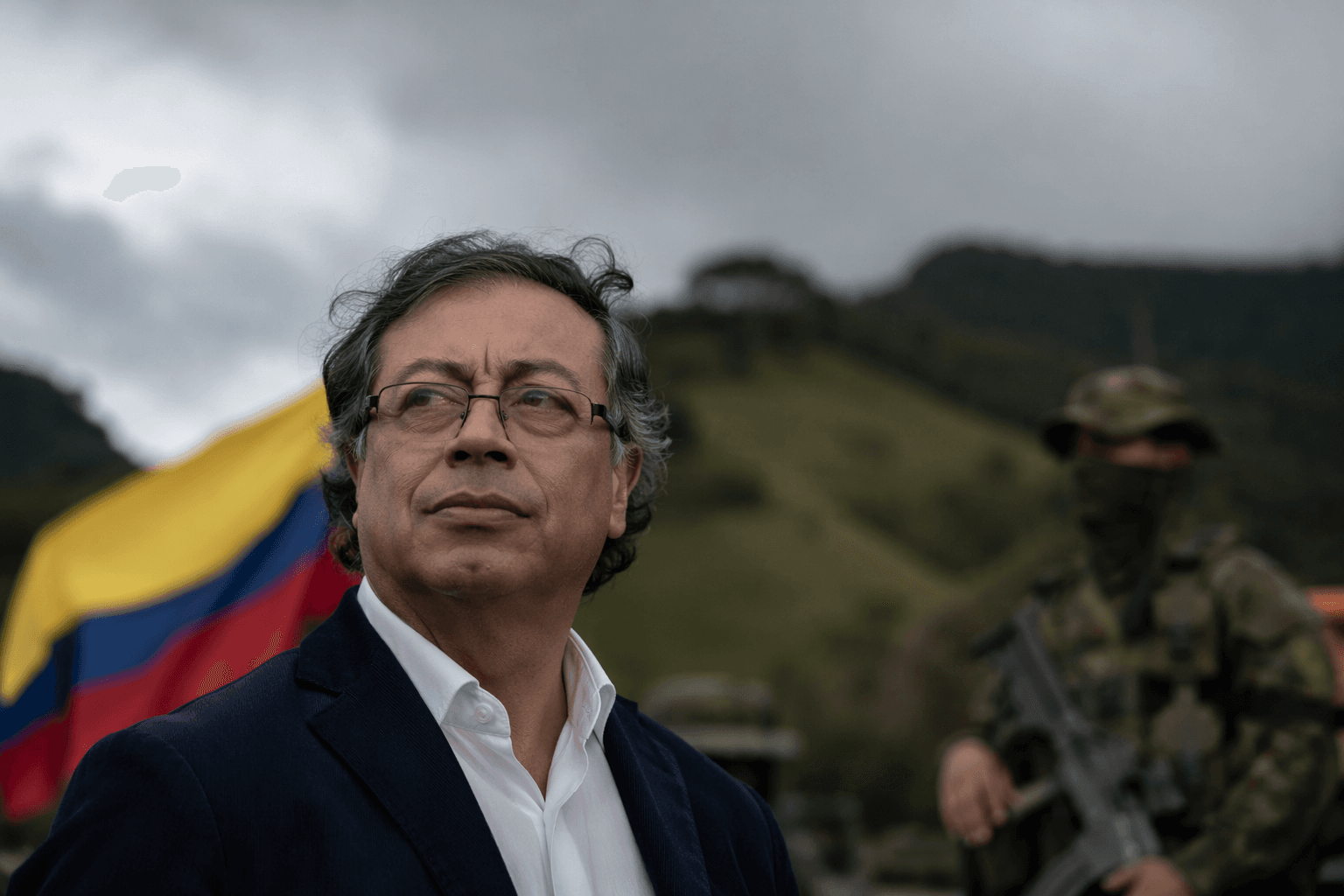
Cepeda, a Petro ally, has backed the president’s “total peace” strategy, which sought negotiated disarmament with armed and organized crime groups. De la Espriella, who has received Donald Trump’s endorsement and is a U.S. citizen, campaigned on the opposite impulse. He promised a hard-line offensive, 10 mega-prisons and an end to negotiations with armed groups.
That clash landed in a country where insecurity has already altered the campaign itself. Reporting described bombings, assassinations, kidnappings and the killing of a presidential candidate, with one account saying about a third of Colombia was considered unsafe for candidates. In that atmosphere, security displaced other issues and forced voters to weigh whether further dialogue would calm the country or whether only force could recover control.
The record of Petro’s peace effort has been mixed at best. AP reported that about 100 dissident guerrillas surrendered weapons under his administration’s talks, but Reuters and other outlets said illegal armed groups gained ground during his government anyway. Critics argue ceasefires gave armed groups space to expand their influence and cocaine production.
The ELN remains central to that threat. Reuters reported that the guerrilla group has more than 6,000 members, including armed fighters and support personnel, and the group has said it is open to talks with whichever candidate wins. It also believes it can survive a renewed military offensive.
Human Rights Watch said the stakes were underscored in Catatumbo, where an ELN offensive in January 2025 forced more than 64,000 people from their homes after the government suspended talks. That displacement became one of the largest mass movements in decades and a warning of how fragile the security situation has become.
The runoff was therefore not simply a choice between left and right. It was a judgment on whether Colombia still believed in negotiation as the path out of war, or whether years of bloodshed had pushed the country toward a harder answer.
This article was produced by Prism’s automated news system from verified source data, official records, and press releases, then run through automated quality and moderation checks before publishing. The system is built and supervised by the people who set the standards it runs under. Read our full AI policy.
Know something we missed? Have a correction or additional information?
Submit a Tip