U.S.-Iran deal leaves nuclear and missile threats unresolved
The June 14 deal reopened the Strait of Hormuz, but Iran’s nuclear material, missiles and proxy network were still intact. Analysts said the real danger had only been deferred.
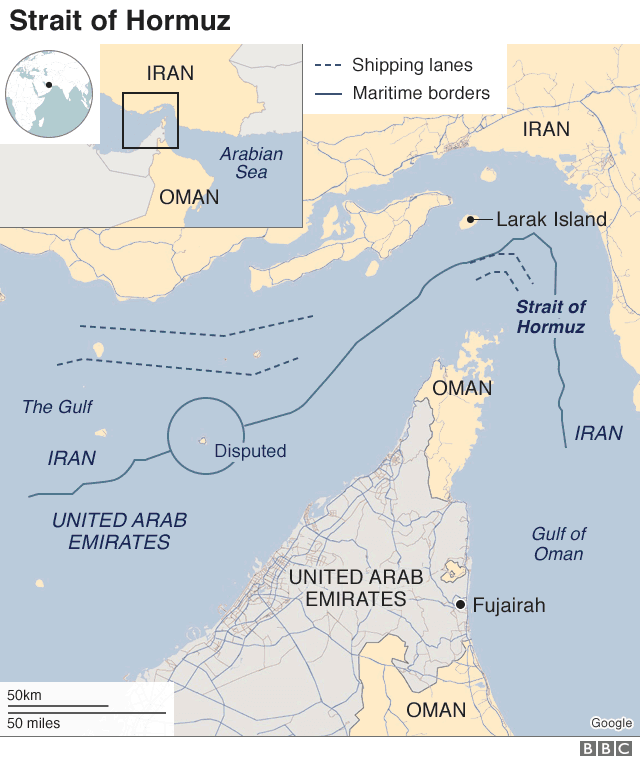
The ceasefire calmed the battlefield, but it did not settle the fight over Iran’s nuclear and missile capabilities, or the wider regional network that Washington and Tehran spent months trying to constrain. After a three-and-a-half month conflict, the United States and Iran reached an agreement on June 14, yet analysts said the most dangerous issues remained untouched: enriched nuclear material, missile power, proxy warfare and Iran’s ability to pressure maritime traffic through the Strait of Hormuz.
A senior U.S. official said the draft agreement contained 14 points and opened with a 60-day period for negotiations over sanctions and Iran’s nuclear program. The first stage was meant to reopen the Strait of Hormuz and end military operations on all fronts, while an implementation mechanism could eventually lead to a final agreement approved by the United Nations Security Council. That sequencing underscored how much remained unresolved. The strait carries nearly one-fifth of the world’s oil and natural gas supply, and the conflict had already shut it, jolted global oil markets and lowered growth projections.
The deal’s architecture also exposed how much was still being deferred. U.S. officials said the full text would be released only after a signing ceremony in Geneva, Switzerland, where Vice President JD Vance, Middle East envoy Steve Witkoff and Jared Kushner were expected to attend. Iranian deputy foreign minister Kazem Gharibabadi said Iran would begin fulfilling its commitments after the signing. Abbas Araghchi, Iran’s foreign minister, said the memorandum of understanding could still change before it was signed, reinforcing the sense that the agreement remained a framework rather than a finished settlement.
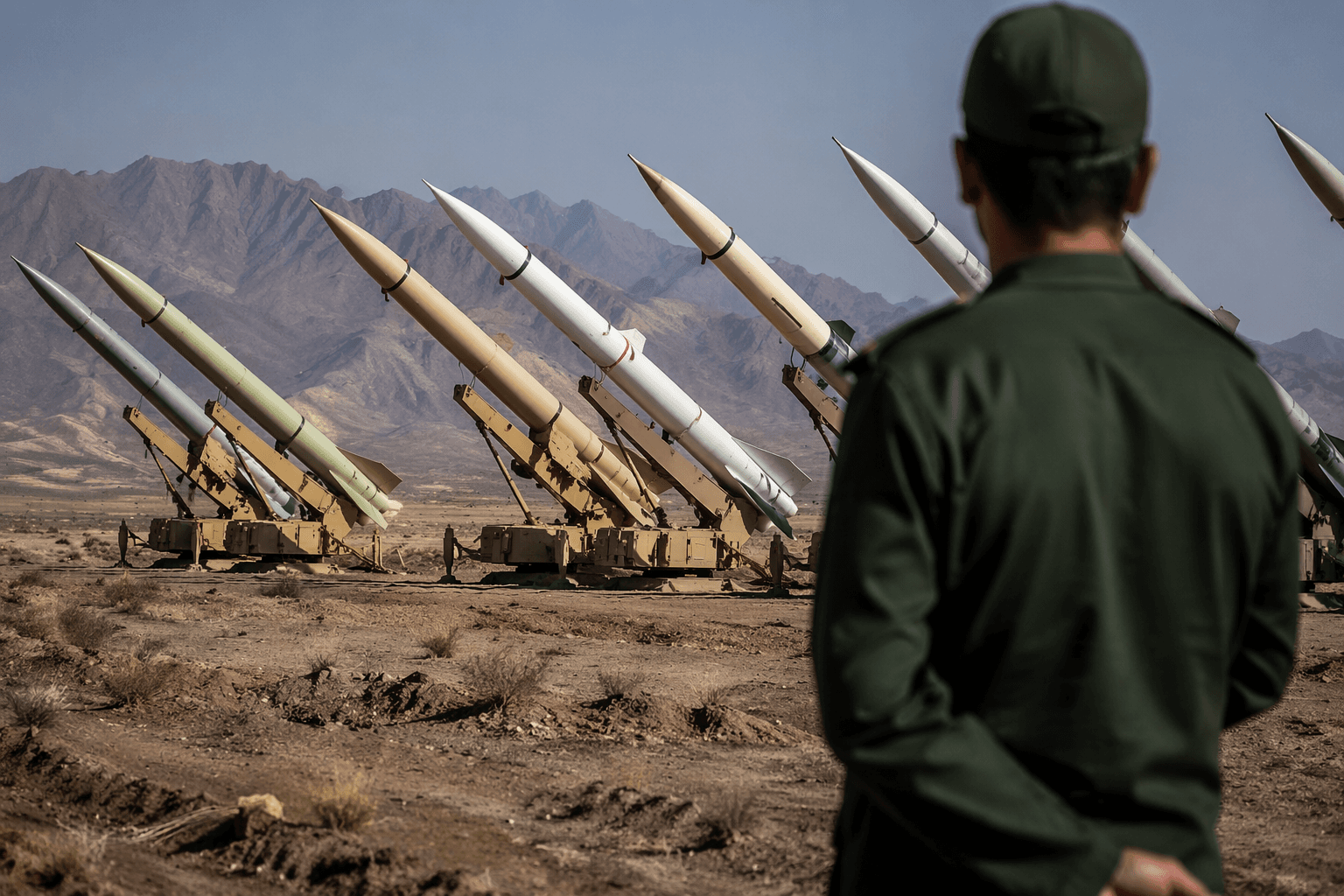
Outside analysts were blunt about what had not changed. The Institute for the Study of War and the Critical Threats Project said Iran was using information operations to magnify the effect of its strikes and push Washington toward terms more favorable to Tehran. They said Tehran viewed the conflict as a war that would end with a deal, not a negotiation that would create one, and that Iranian announcements about having closed the Strait of Hormuz were part of a coercive campaign. They also said Iran was trying to secure early access to frozen assets and economic relief before the nuclear talks even began.
The skepticism was echoed by policy observers tracking the text’s missing pieces. POLITICO reported that Iran had not destroyed enriched nuclear material, dismantled nuclear sites or accepted an inspection regime, and that the inspection system had not yet even been designed. The same reporting noted that Barack Obama’s nuclear deal took nearly two years to negotiate, a reminder of how ambitious Donald Trump’s 60-day timeline appeared. Oil prices fell to their lowest level in three months after news that Iran would be able to resume crude sales, but the market relief did not erase the central reality: the ceasefire paused open warfare, while the core nuclear and missile threats remained active, contested and capable of dragging the region back toward confrontation.
This article was produced by Prism’s automated news system from verified source data, official records, and press releases, then run through automated quality and moderation checks before publishing. The system is built and supervised by the people who set the standards it runs under. Read our full AI policy.
Know something we missed? Have a correction or additional information?
Submit a Tip