Ukraine hits Russian oil refineries in deepening fuel war
Ukraine struck two Russian oil refineries overnight, deepening a fuel war that has already left parts of Russia short of gasoline and forced Moscow to seek imports from Kazakhstan.

Ukraine struck two Russian oil refineries in Krasnodar and Yaroslavl overnight, Volodymyr Zelenskyy said Sunday, escalating a campaign aimed at Russia’s fuel system as much as its war machine. Zelenskyy called the attacks “long-range sanctions” and said Ukraine would keep targeting infrastructure that weakens Russia’s ability to wage war.
The strike in Krasnodar hit the Slavyansk oil refinery in Slavyansk-na-Kubani, about 300 kilometers from the front line. Russian officials said debris from downed drones sparked a blaze there, and local authorities reported damage to a power transmission line and a gas pipeline. Some reports said one person was killed and another injured. The second refinery was in Yaroslavl Oblast, about 700 kilometers from Ukraine’s border, showing how far the drone campaign has pushed beyond the battlefield.
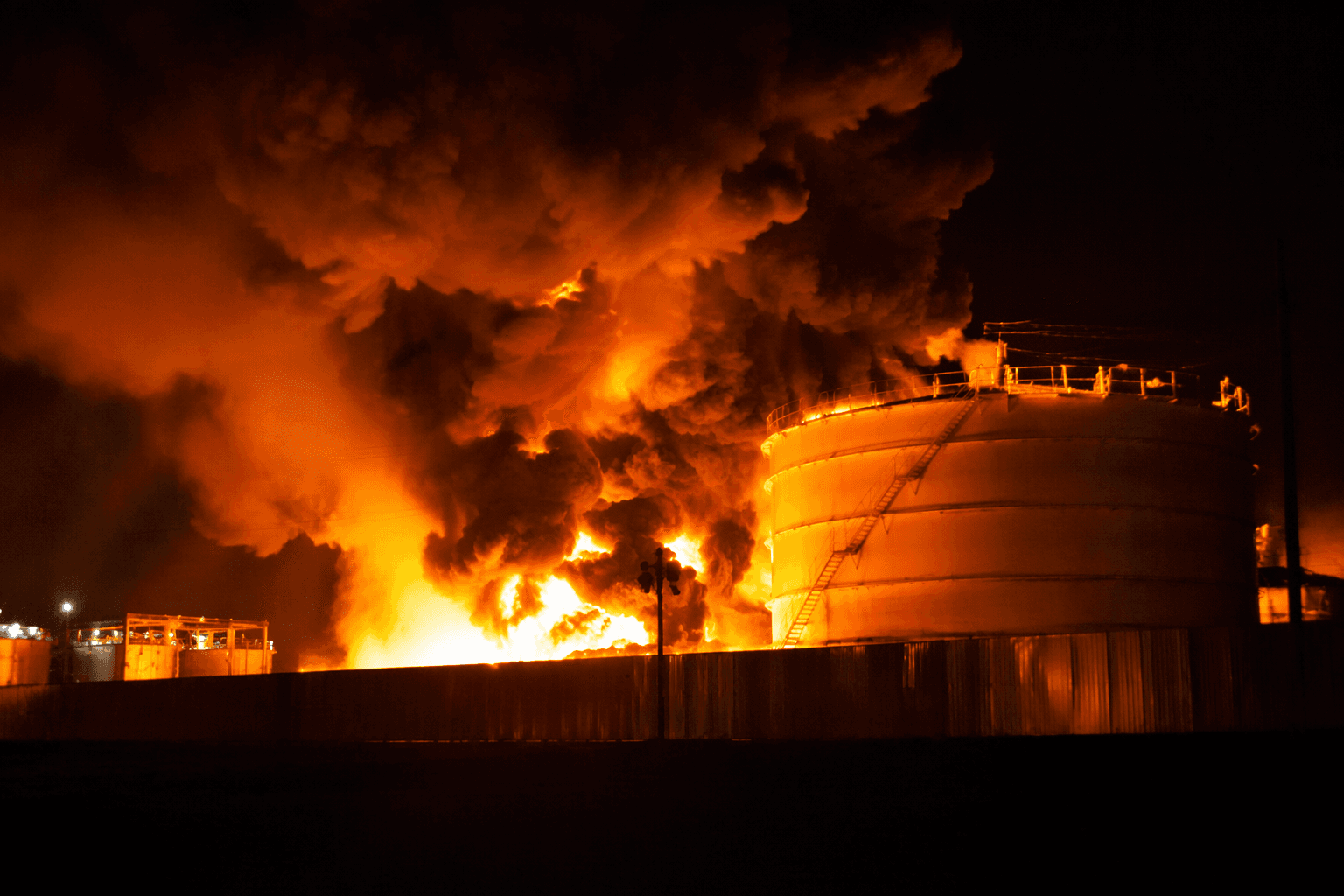
The attacks land in a broader fuel crunch that has become one of the clearest signs of strain inside Russia’s wartime economy. Reuters has reported that increasingly frequent Ukrainian drone strikes have helped trigger acute fuel shortages in parts of Russia, with queues and rationing at petrol stations. Russia’s Energy Ministry has acknowledged that Ukrainian drone attacks are behind gasoline shortages in Crimea and parts of southern Russia, while more than half of Russia’s 83 regions are facing shortages or restrictions.
Moscow is now trying to cushion the damage. Reuters reported June 24 that Russia was in talks with Kazakhstan to import about 50,000 metric tons of AI-92 gasoline to ease domestic shortages caused by refinery outages and unscheduled repairs. The International Energy Agency has said drone strikes will suppress Russian refinery processing well into mid-2026, a sign that the damage is not confined to a single night’s fire but to sustained pressure on output, transport fuel and state revenue.
For Russia, that makes the refinery war materially disruptive even when individual strikes do not halt the broader campaign in Ukraine. Refining is central not only to exports and tax receipts but to the army’s logistics and the civilian fuel supply that keeps the domestic economy moving. For global oil markets, the immediate risk is less about crude supply than about tighter gasoline and diesel availability if Russian refinery runs stay depressed and repairs keep lagging behind the attacks.
This article was produced by Prism’s automated news system from verified source data, official records, and press releases, then run through automated quality and moderation checks before publishing. The system is built and supervised by the people who set the standards it runs under. Read our full AI policy.
Did this article answer your question?


